The hidden threat to UAE infrastructure
In the UAE, ground stability is often compromised by two powerful forces: water and geology. Geobear provides a fast, surgical solution to fill these voids before they become sinkholes.
Where our void filling solutions are applied
Our void filling and sinkhole repair solutions are applied across critical infrastructure, including:
Roads and highways
Airport runways, taxiways, and aprons
Rail track beds and embankments
Manholes, culverts, and buried utility chambers
Commercial and industrial warehouse floors
Public buildings and open spaces
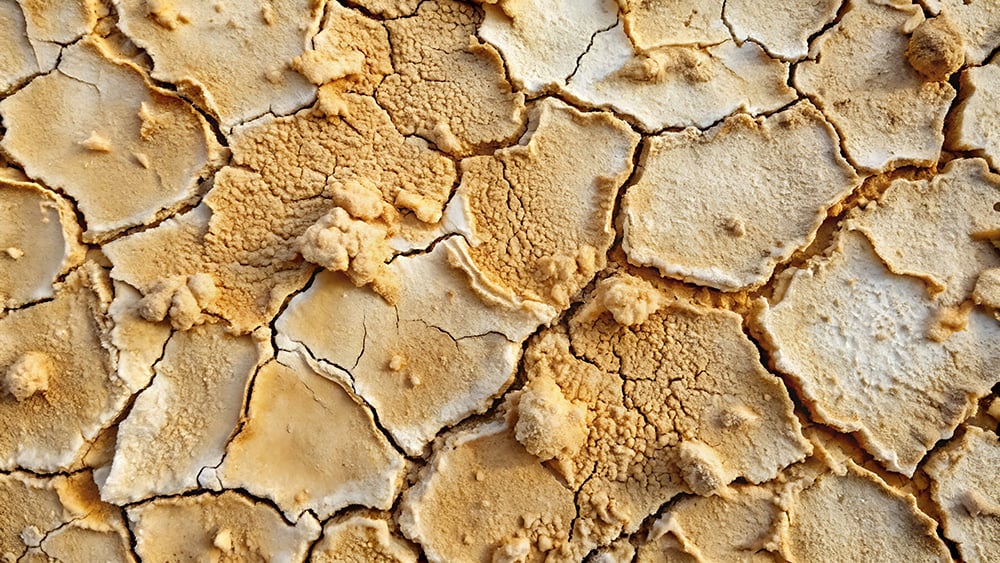
Sabkha dissolution
The dissolution of salt-rich layers (gypsum/anhydrite) in coastal Sabkha soils creates underground cavities that grow silently until the surface collapses.
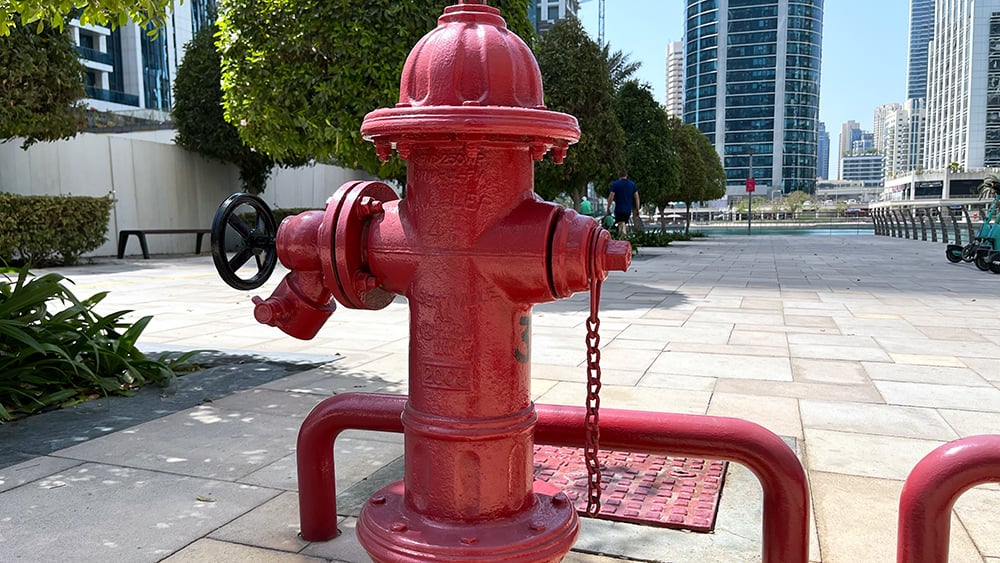
Utility washouts
A minor leak in a water main or district cooling pipe can wash away cubic meters of loose sandy soil, leaving roads and buildings bridging dangerously over thin air.
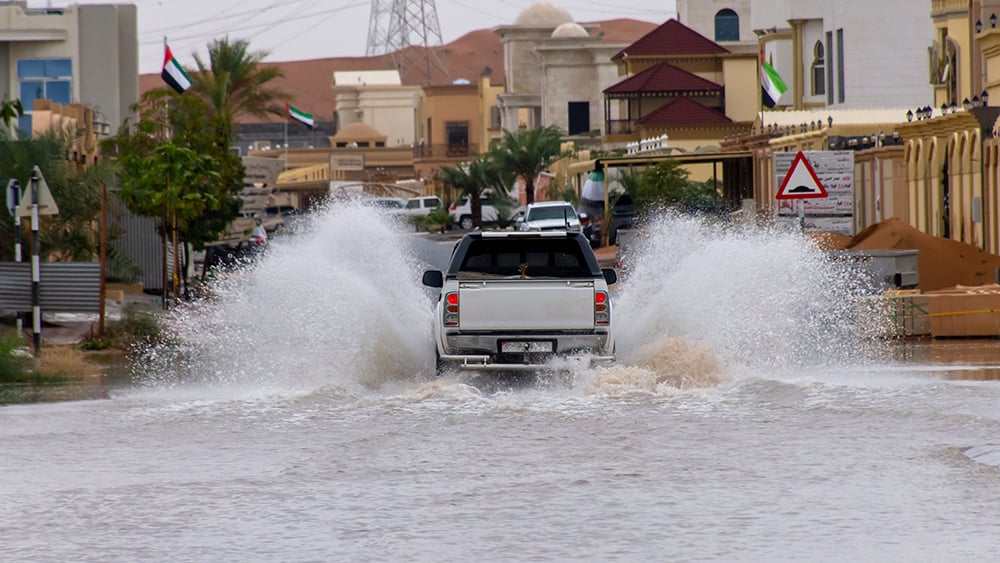
Flash flood scour
Sudden storms in Wadis (like those in Al Ain or Fujairah) scour material from beneath bridge abutments and roads, creating immediate voiding risks.
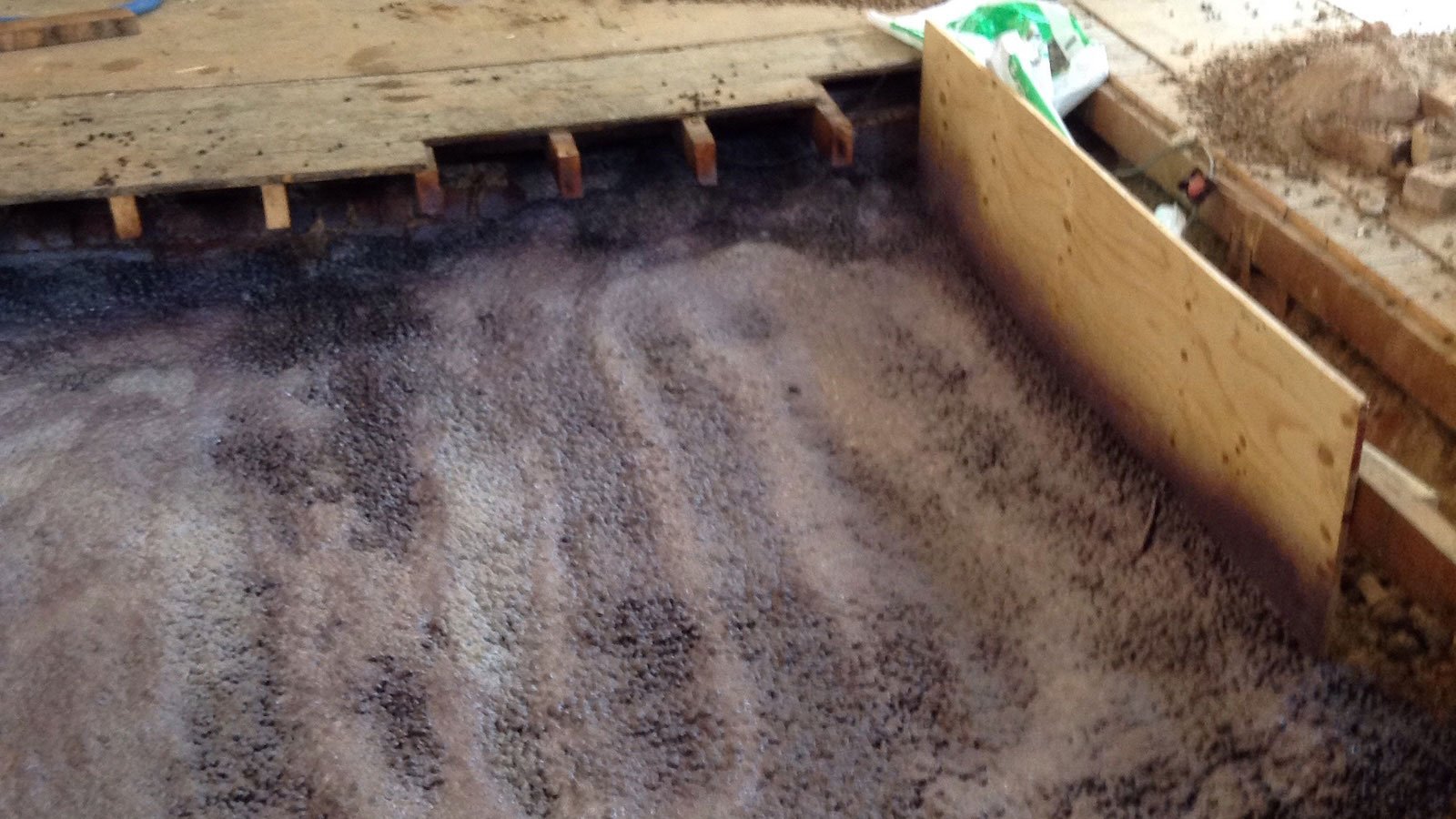
Where our void filling solutions are applied
Our void filling and sinkhole solutions are applied across critical infrastructure, including:
Roads and highways
Airport runways, taxiways, and aprons
Rail track beds and embankments
Manholes, culverts, and buried utility chambers
Commercial and industrial warehouse floors
Public buildings and open spaces
Technical benefits for the region
Sabkha safe: Our materials are chemically inert and resistant to the high salinity and sulfates found in UAE soils. They will not degrade or leach over time.
Hydro-insensitive: We have specific resins that cure in water, allowing us to fill voids even in flooded excavations or below the water table.
Lightweight: Unlike cement grouting (which is heavy and can cause further settlement in weak soils), our geopolymers are lightweight, reducing the overburden on fragile subgrades.
Speed: A typical void filling project is completed in hours, not days. Roads can be reopened to traffic 15 minutes after injection.
The Geobear process
Detailed design
Every site is unique, so our engineers start with a detailed survey and design a detailed treatment plan tailored to your project. This will specify exactly where the geopolymer is to be injected and at what level and in what quantities.
Geobear has a range of different geopolymers which have differing performance characteristics, the engineers will choose the one which is best suited for your project.
Geopolymer injection
Depending on the void, the geopolymer is installed via small diameter temporary steel tubes, which are drilled into the ground to the required depth - or we mass fill voids pumping directly from a hose.
The geopolymer is pumped in liquid form which then rapidly expands in-situ into a hardened material with specific engineering properties.
Expansion
The expansion fills the voids and compacts any loose materials which might be present. The reaction profile of the geopolymer is very quick in comparison to cementitious grouts, gaining 90% of its compressive strength within 15 minutes and then fully cured within 1 hour.
Monitoring
Throughout the process, we monitor movement and pressure in real time using lasers and CCTV; ensuring precision, control, and reliable results. Specified performance can be measured via in situ penetration testing.
Case studies
Geobear has delivered urgent void filling and sinkhole remediation throughout the UK. Examples include:
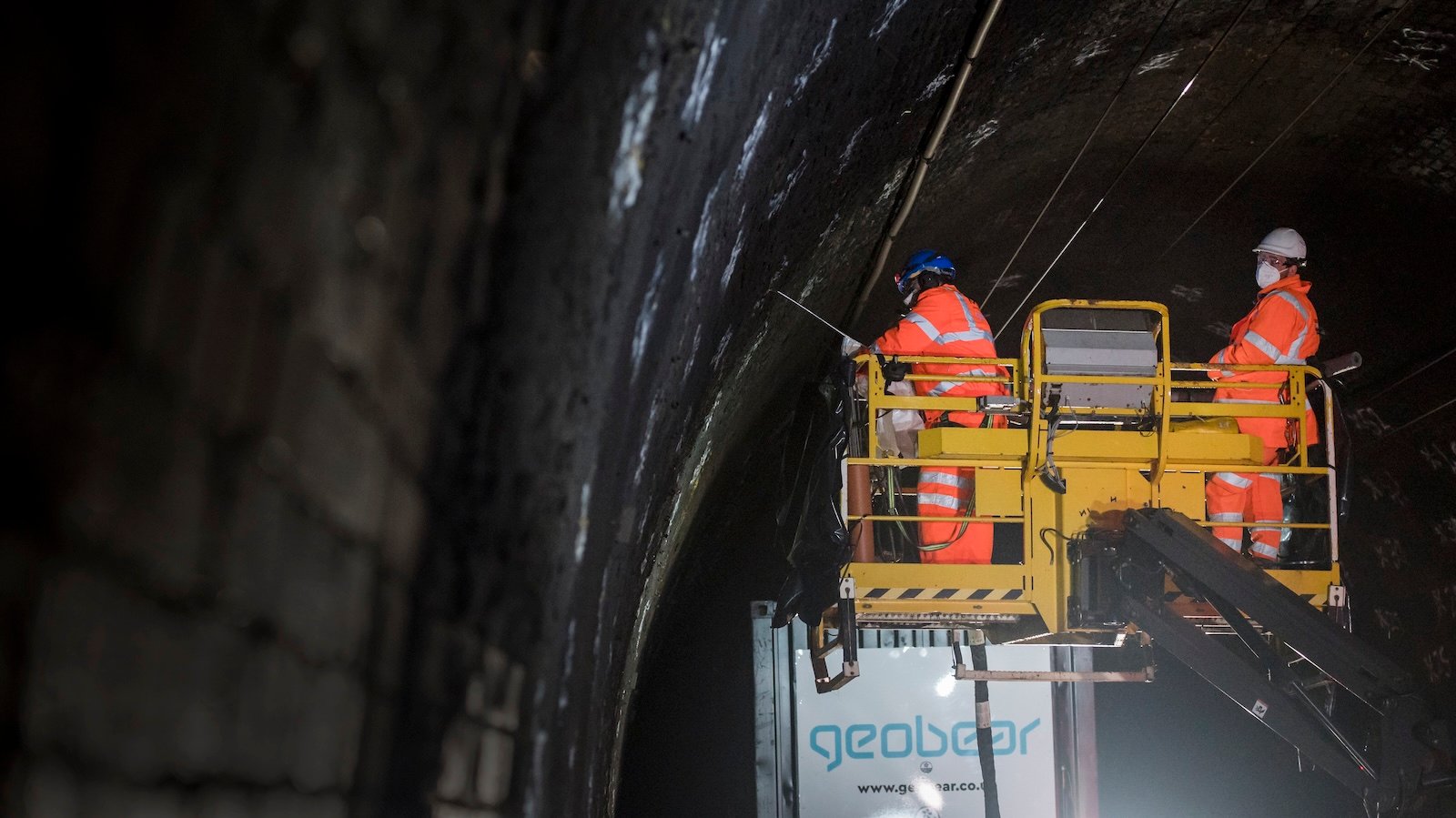
Filling deep tunnel shafts and voids
Hidden construction shafts and voids behind the lining of a critical rail tunnel posed a severe collapse risk.
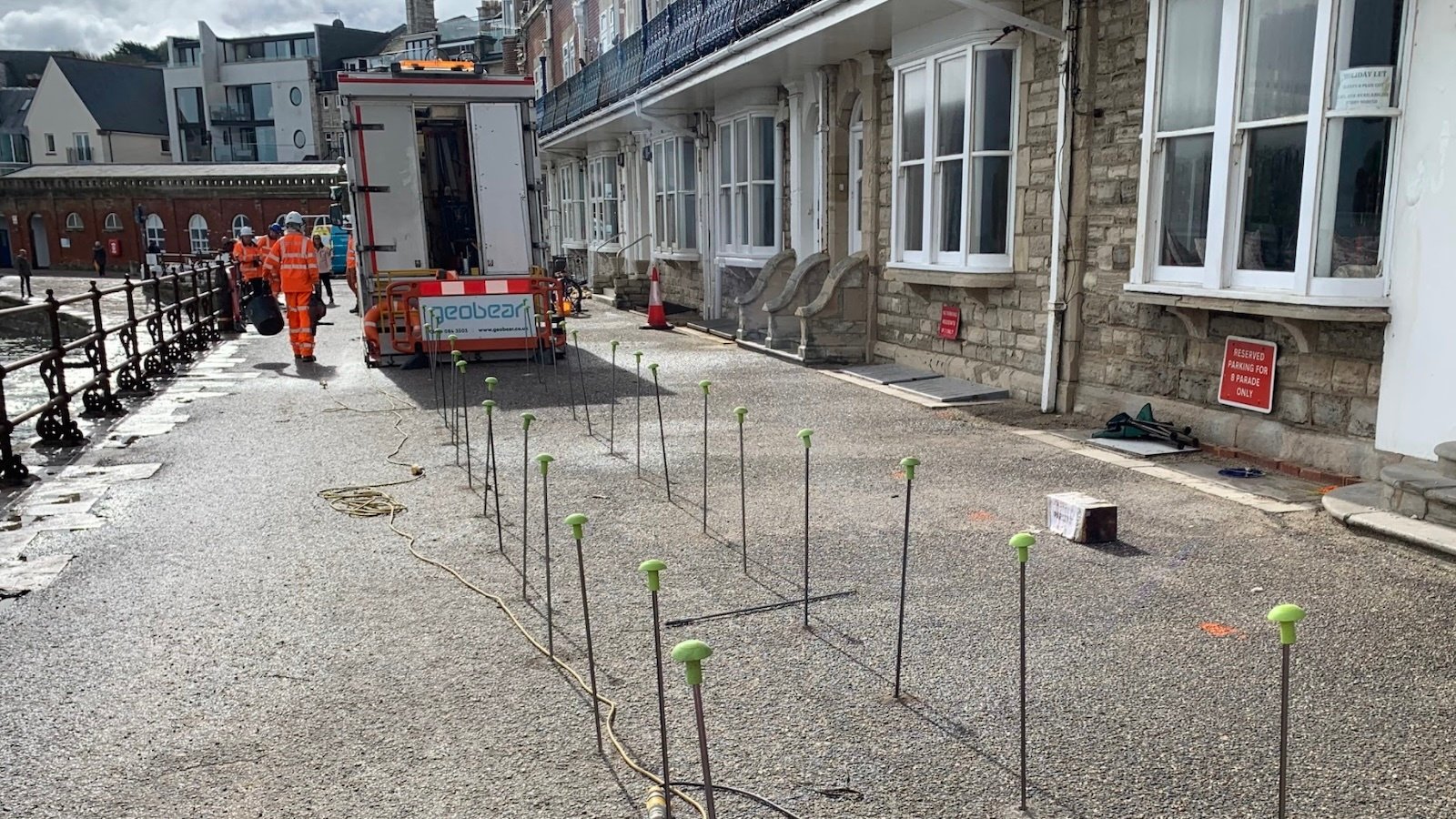
Stabilization of sea walls and promenades against tidal washout
A historic stone sea wall protecting a busy tourist promenade was suffering from severe internal erosion.
Suspect a void beneath your asset?
Don't wait for a sinkhole to open up. Contact us for a GPR survey and rapid void filling proposal.