Challenges

The challenge: Heavy loads and harsh environments


The UAE’s highway network is one of the best in the world, but it faces unique pressures.

Extreme heat: Thermal expansion causes rigid concrete slabs to curl and warp. If the subgrade is weak, these slabs rock and crack under traffic.

Heavy freight: Strategic corridors (like E11, E311, E611) carry massive daily tonnage. This dynamic loading pumps fines out from beneath the pavement, leading to faulting and "steps" between bays.

Bridge dips: Settlement of the embankment fill behind bridge abutments creates the familiar "bump" at the transition slab, forcing vehicles to brake and damaging suspension.

Washouts: Flash floods in wadis can scour the foundations of culverts and embankments, threatening rapid collapse.

Geobear targets the root cause of the issues—the ground beneath the roads.

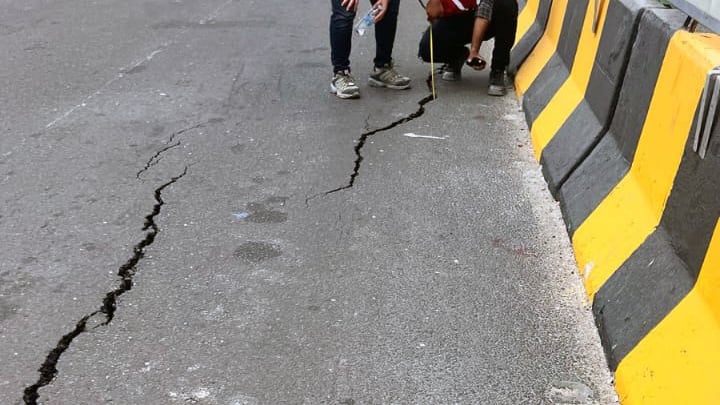
Cracks in a roadway with concrete barriers on right side

Road networks face relentless pressures

Heavy dynamic loading from HGVs that overstress pavements not designed for today’s traffic volumes.

Slab settlement, rocking, and pumping, often caused by voiding in poorly compacted subgrades or high water tables.

Reflective cracking in asphalt, driven by joint movement in underlying concrete bays.

Differential settlement at bridge approaches, where poor backfill or voids above pier caps undermine ride quality.

Washout voids from burst mains or water ingress, leaving hidden collapse risks beneath roadways.
Road networks face relentless pressures:

  • Heavy dynamic loading from HGVs that overstress pavements not designed for today’s traffic volumes.

  • Slab settlement, rocking, and pumping, often caused by voiding in poorly compacted subgrades or high water tables.

  • Reflective cracking in asphalt, driven by joint movement in underlying concrete bays.

  • Differential settlement at bridge approaches, where poor backfill or voids above pier caps undermine ride quality.

  • Washout voids from burst mains or water ingress, leaving hidden collapse risks beneath carriageways.

Conventional repairs rely on excavation, replacement, and long curing times—often requiring weeks of closures and diversions. The socio-economic cost is huge: on the M11 Girton Interchange, a 9-week full closure would have created £14.8m in indirect costs.

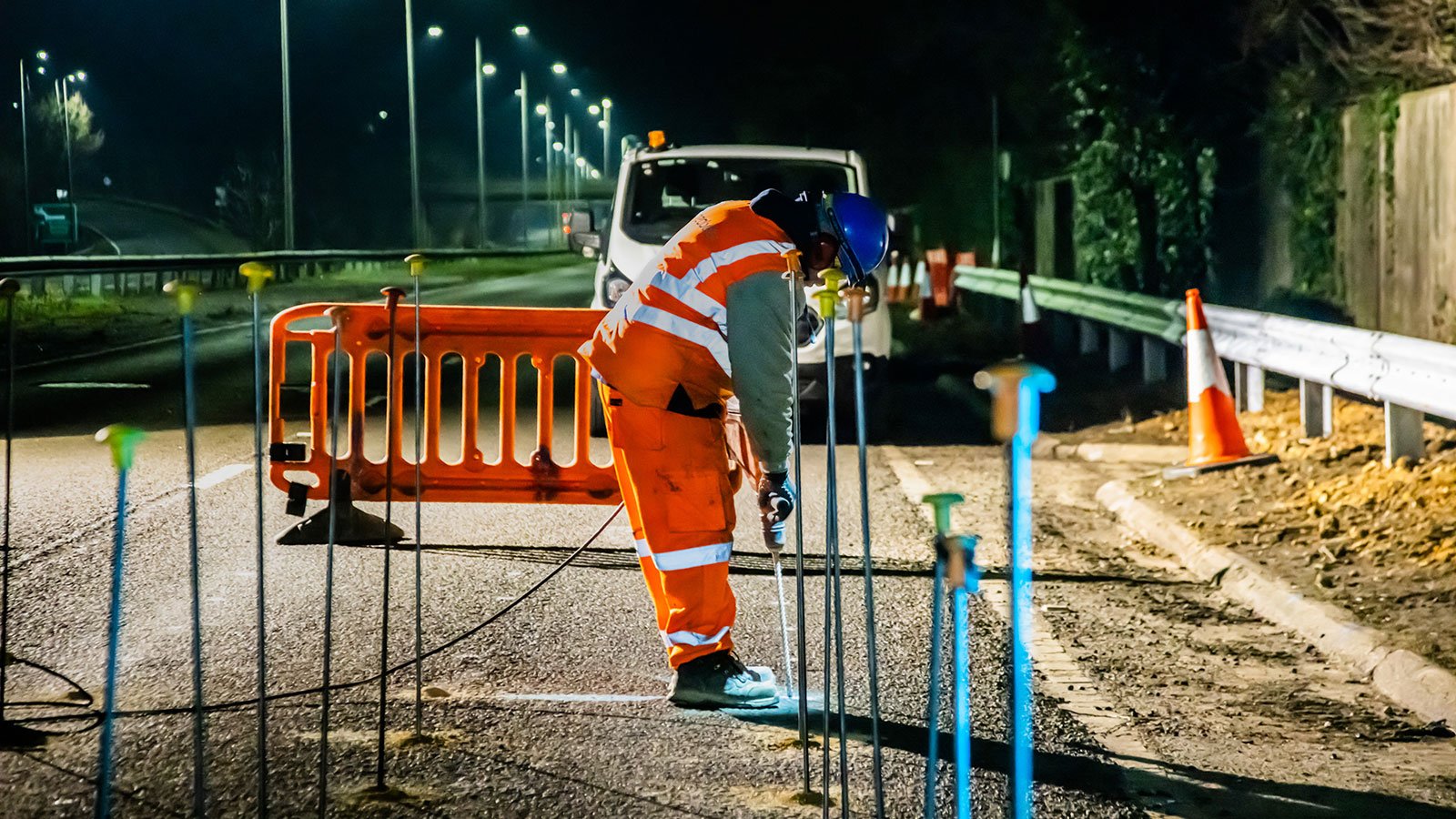
Geobear provides a faster, lower-risk alternative. Our engineered geopolymer is injected through 12–40mm holes to fill voids, compact weak soils, and re-level slabs with millimetre precision. Roads reopen within one hour of treatment, avoiding prolonged disruption.

a10-drilling


How Geobear helps

Slab re-leveling
Stabilizing and lifting sunken concrete bays and bridge approaches, restoring smooth and safe ride quality.

Embankment strengthening
Improving ground conditions behind abutments, slopes, and approaches affected by poor compaction or erosion.

Subgrade improvement
Raising the bearing capacity of soils beneath flexible pavements; proven to extend pavement design life by up to 9 years.

Void filling
Filling underground voids caused by washouts, tunneling, culverts, or animal burrows with expansive, permanent resins.

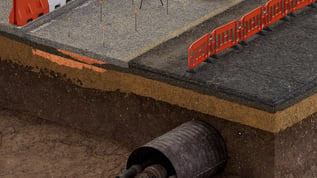
Illustration cross-section of roadway with geopolymer filled voids

Case studies

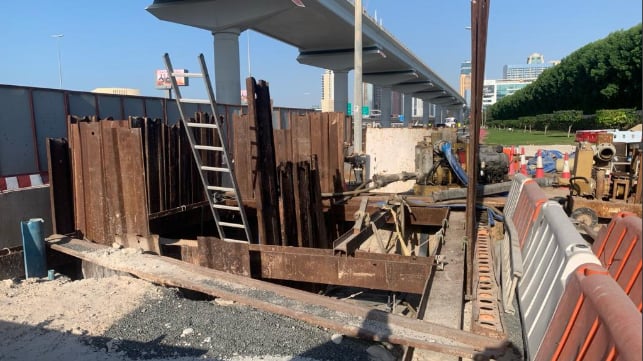
View of open construction pit at side of Sheikh Zayed highway

Emergency water sealing for Sheikh Zayed Road excavation

Rapid groundwater ingress flooded a deep excavation beneath Sheikh Zayed Road (E11), Dubai’s busiest highway.
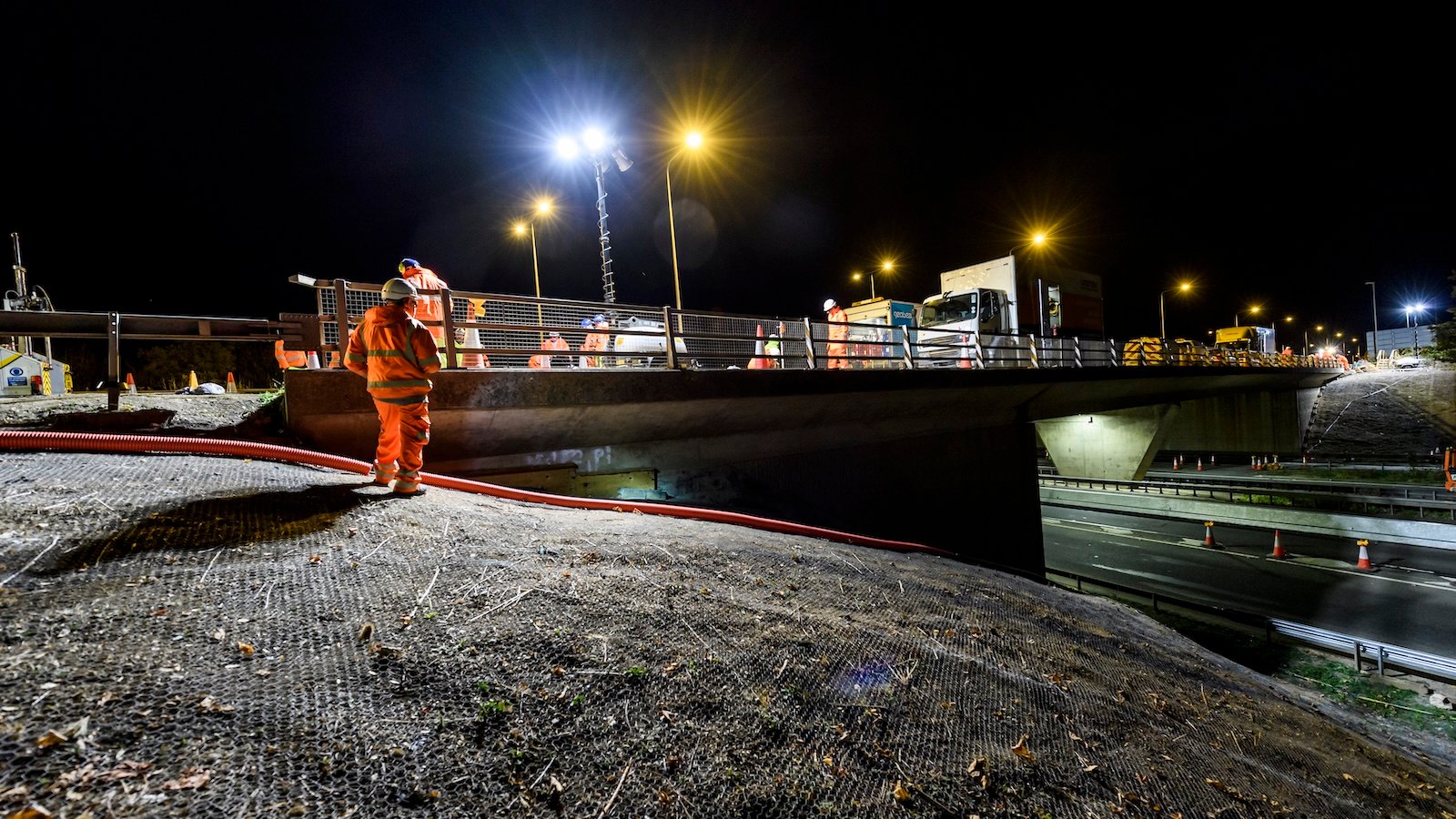
M11 void filling

Emergency embankment stabilization on a major UK motorway

Severe voiding beneath a critical slip road on the M11 motorway (UK) threatened the stability of a bridge abutment.

a10-drilling

Stabilizing rigid highway pavements without closure

A heavily trafficked dual carriageway suffered from voiding and instability beneath 150 concrete bays.

Geobear solution vs traditional methods

Feature

Geobear solution

Traditional reconstruction

Disruption

Minimal. Works in overnight possessions; immediate reopening.

High disruption. Requires full closures and diversions.

Speed

Completed in hours; roads open in 1 hour.

Weeks–months with excavation and curing.

Carbon Impact

Up to 90% lower CO₂ footprint.

High emissions from excavation, haulage, and concrete.

Precision

Laser monitoring controls uplift to ±250 microns.

Less precise; prone to over/under-lifting.

Cost

Typically 40–60% less, plus major socio-economic savings.

Expensive and disruptive.

Durability

Resin life >120 years; proven lifecycle extension.

Concrete slabs often replaced every 4–10 years.

Key benefits of working with Geobear

Speed & minimal disruption

Geobear design and deliver projects completed within short possessions. The road is handed back and can be used almost immediately.

Life extension

Pavements strengthened to withstand decades of traffic.

Cost savings

50–60% of reconstruction costs, plus avoidance of indirect economic losses.

Sustainable

Up to 75% lower CO₂ impact; inert, hydro-insensitive resins safe even in aquifers.

Trusted partner

Chosen by leading contractors.

Frequently asked questions

Our material is fast curing, meaning a road can be used after 15 minutes of treatment.

Yes – resin can be pumped up to 100m from the rig, making it ideal for slip roads, culverts, and bridge approaches.

Yes – independent testing confirms no hazardous leachates; safe even in drinking water aquifers.

Our geopolymer resins have a design life exceeding 120 years.

Is settlement affecting pavement quality?

Restore safety and smoothness to your network. Contact our highways team for a rapid intervention plan.


Bear pointing Bear pointing