The legacy of rapid construction

Common causes of poorly compacted soil in the region:
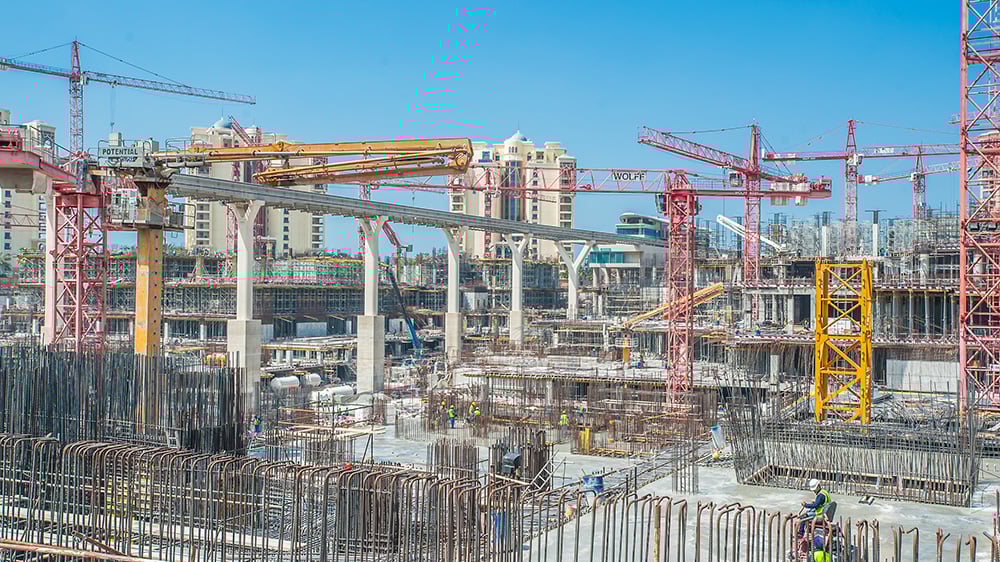
Deep hydraulic fill: Man-made islands and coastal extensions are built using dredged sand. Without deep vibro-compaction, this fill remains loose and prone to "creep" settlement over years.
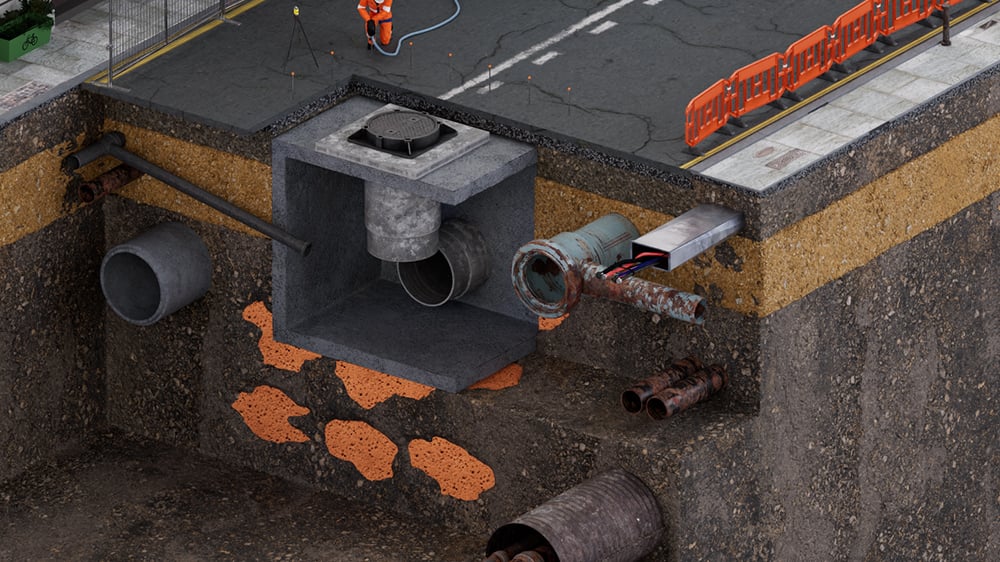
Utility backfill: Trenches for district cooling, sewage, or power lines are sometimes backfilled in thick layers without adequate compaction. As the soil settles, the road above dips and cracks.
Aeolian (dune) sands: Natural wind-blown sands are loosely packed. If not identified and treated during the earthworks phase, they compress under the weight of new infrastructure.
Bridge approaches: The backfill behind bridge abutments is difficult to compact with heavy rollers. This leads to the common "bump" at the bridge joint as the fill settles.
Impact of poor consolidation of soil on infrastructure
Roads
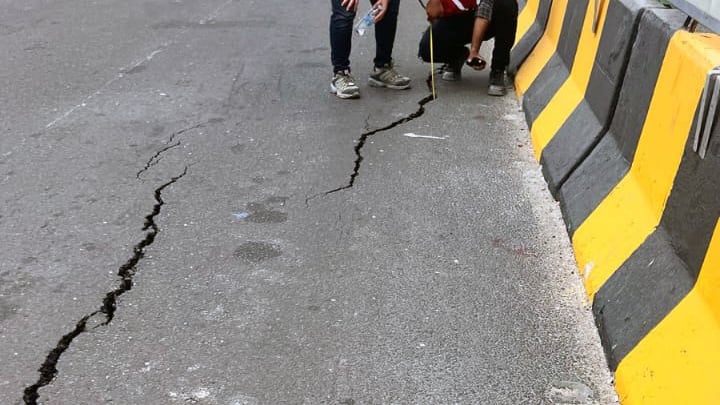
Poorly compacted soil beneath roads can cause uneven surfaces, cracks, and potholes, leading to premature wear and tear and a poor ride for drivers. It also leads to voiding beneath concrete slabs, which can result in dangerous "track faults" where the ground has subsided.
Rail
On rail networks, track beds that are not properly supported can develop voids and require constant maintenance. This creates track faults and speed restrictions that can cause long-term delays.
Airports
Runways and taxiways demand impeccable ground conditions to support enormous weight and high-frequency traffic. Uneven settlement caused by poorly compacted soil can create hazards for aircraft.
Other Infrastructure
Utilities, tunnels, bridges, and critical assets are all vulnerable. Leaking pipes can wash away supporting soil, creating voids and leading to sinkholes.
Poorly compacted soil: the unseen risk beneath our feet
Poorly compacted soil is ground that has not been properly densified during construction or has weakened over time. When soil is not strong enough to bear the weight of a structure, it can settle unevenly, causing everything from cracks and voids to serious structural failure. The weight of large public assets, combined with heavy, repetitive traffic, can quickly exacerbate this problem.
Impact of poor consolidation of soil on infrastructure
Roads: Poorly compacted soil beneath roads can cause uneven surfaces, cracks, and potholes, leading to premature wear and tear and a poor ride for drivers. It also leads to voiding beneath concrete slabs, which can result in dangerous "track faults" where the ground has subsided.
Rail: On rail networks, track beds that are not properly supported can develop voids and require constant maintenance. This creates track faults and speed restrictions that can cause long-term delays.
Airports: Runways and taxiways demand impeccable ground conditions to support enormous weight and high-frequency traffic. Uneven settlement caused by poorly compacted soil can create hazards for aircraft.
Other Infrastructure: Utilities, tunnels, bridges, and critical assets are all vulnerable. Leaking pipes can wash away supporting soil, creating voids and leading to sinkholes.
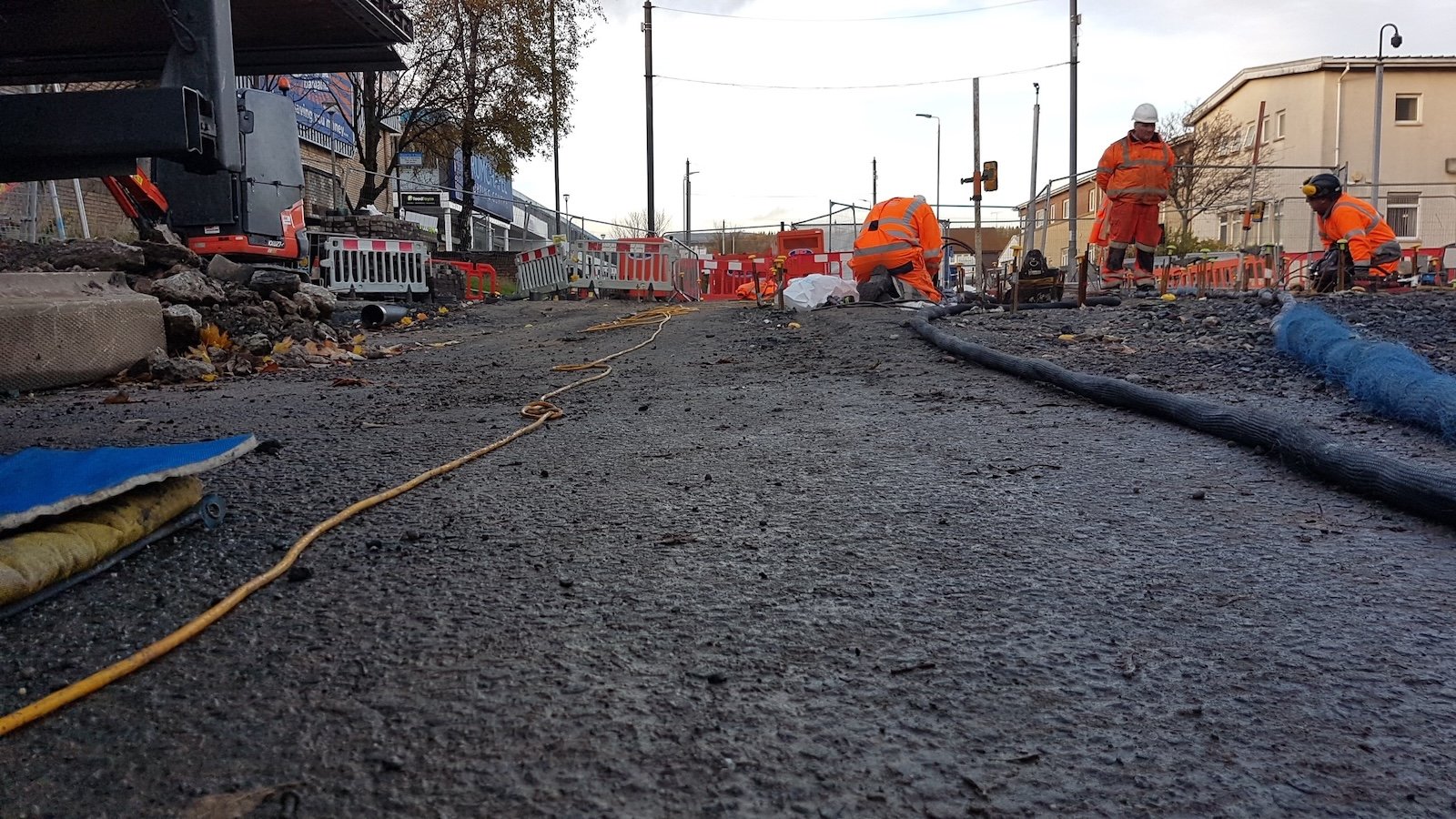
Business and Community Impact
For infrastructure managers, the consequences of poorly compacted soil are significant. Unexpected failures can lead to service disruptions, temporary closures, and extensive, unbudgeted repair work.
Beyond the direct financial costs, these issues have a profound impact on the public. A single road closure can divert traffic for weeks, causing significant delays and affecting local businesses. A rail track fault can cause widespread travel disruption.
At Geobear, we act as a responsible contracting partner, helping solve these problems without the need for disruptive, time-consuming excavation. Our solutions are up to 70% faster than traditional methods, helping you maintain operations and get infrastructure back in service quickly and safely.
How does Geobear approach the issue?
Geobear's ground improvement solutions are an ideal alternative to traditional excavation and replacement. Instead of digging out and replacing the weak soil, we use geopolymer injection to strengthen the ground from below. This non-disruptive method and has a number of benefits including:
Increases soil bearing capacity
Our expanding geopolymer fills voids and densifies the surrounding soil. This increases the load-bearing capacity of the ground, helping support the public asset above. For situations with significant gaps, consider our void filling treatment.
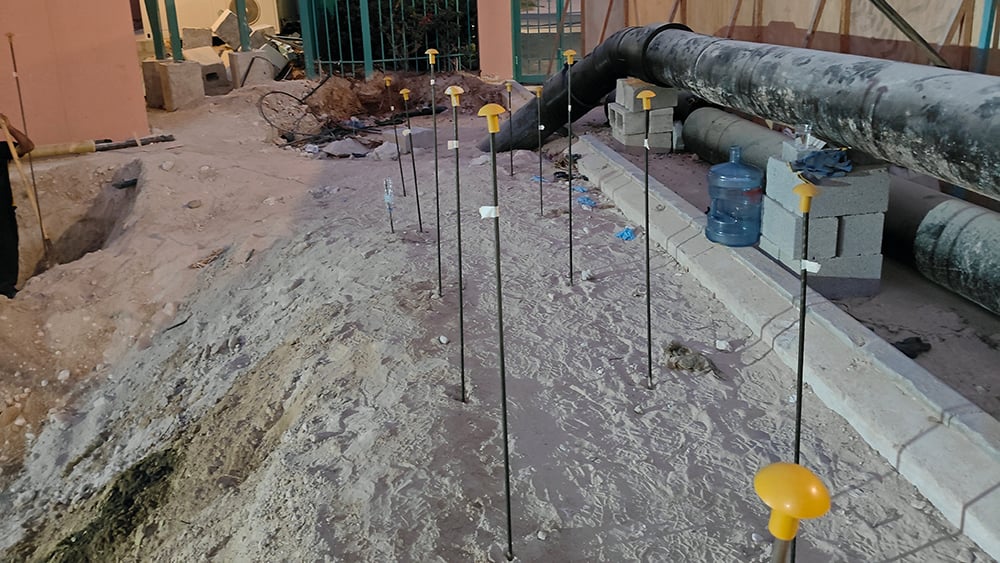
Is up to 70% faster
Our solutions can be completed in hours or days, not weeks or months. This dramatically reduces downtime, helping you protect your operational integrity.
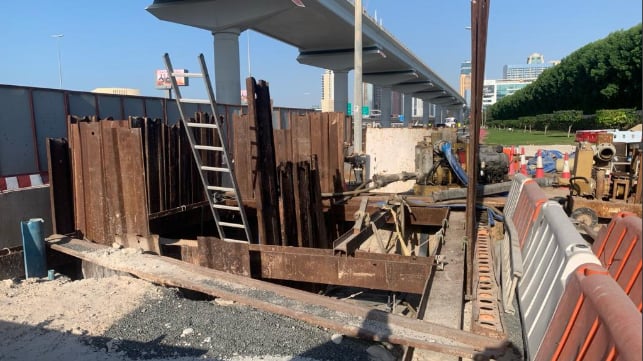
Has a 75% lower carbon impact
Our approach is significantly more sustainable than digging and replacing soil, helping you meet your Net Zero environmental commitments.
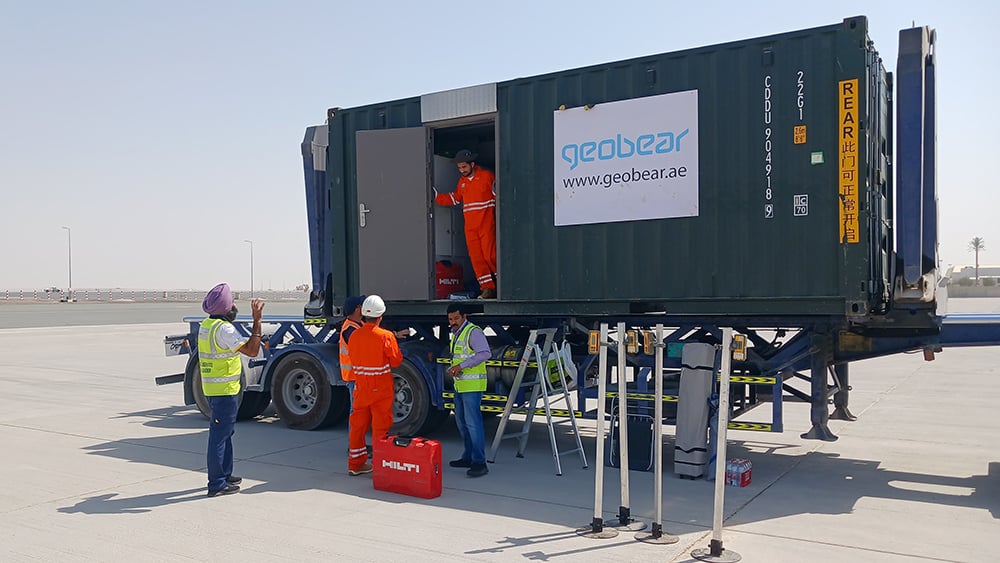
Offers a wide portfolio of expertise
We have a proven track record as a contracting partner, with our teams and engineering expertise available to support you on projects of any scale. For issues requiring significant load transfer, we also offer a structural support treatment.
How It Works
The Geobear process is precise, rapid, and scientifically validated.
Injection
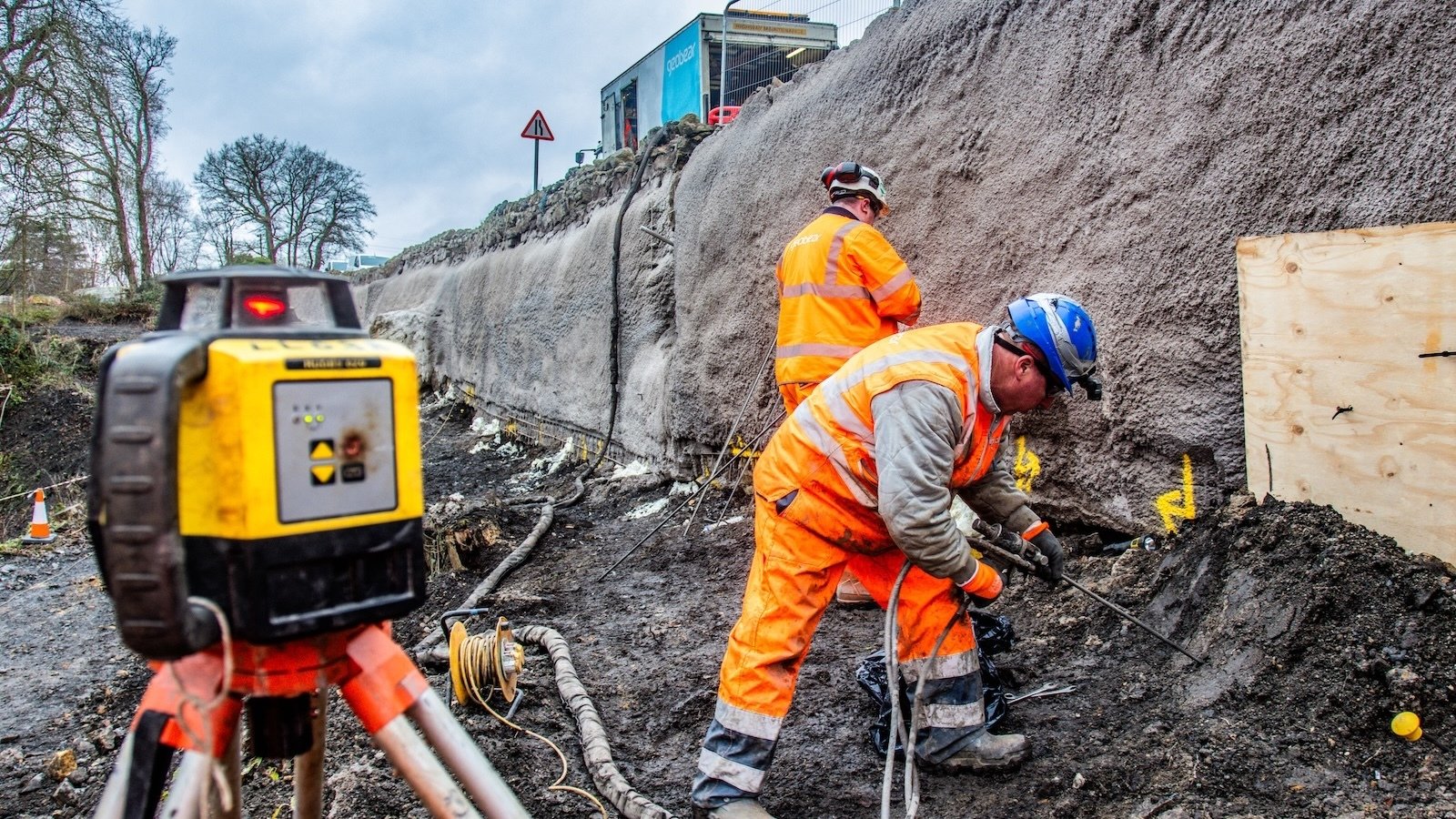
We drill small diameter holes through the surface asset (asphalt, concrete, or pavers) to reach the poorly compacted layer—whether it is 2m or 10m deep.
Expansion and densification
We inject a high-expansion geopolymer. As it reacts, it exerts significant lateral and vertical pressure (up to 40 tonnes/m²). This acts like a "hydraulic jack" inside the soil. The expansion forces the loose soil particles closer together, expelling air and increasing the Relative Density (Dr).
Improvement
Within minutes, the material hardens, creating a dense, water-resistant matrix, and stiff, stable subgrade that can support the design loads.
Design and verification
Geobear’s design work is carried out in accordance with Eurocode 7 (EN 1997-1) and supported by peer-reviewed scientific literature and laboratory research. Numerical modelling, including finite-element analysis (FEM), is used to define optimal injection spacing, pressure, and depth to achieve targeted soil performance.
|
Parameter |
Typical improvement |
Verification method |
|
Soil stiffness (E) |
2–3× increase (e.g. 40 → 100 MPa) |
DCP / PLT testing |
|
Settlement reduction |
60–70 % |
FEM simulation & field monitoring |
|
Compressive strength (material) |
1–5 MPa |
Laboratory testing |
|
Permeability |
Gas- and water-impermeable |
Independent lab report (ISO 15105-2) |
|
Design life |
≥120 years |
Accelerated ageing & field performance data |
Why this is critical for UAE infrastructure
Reclaimed Land Assets: Many ports, airports, and residential zones sit on deep fill. Our method can re-densify specific zones that were missed during initial vibro-compaction.
Minimizing disruption: Digging up a settled highway or runway to replace the sub-base is a major logistical nightmare. We can fix the compaction issue during night shifts.
Protection of utilities: Excavating poorly compacted ground often risks damaging the buried utilities that caused the problem. Our injection avoids this risk.
Experiencing fill settlement?
Stop the movement before the asset fails. Contact our geotechnical team for a deep compaction proposal.