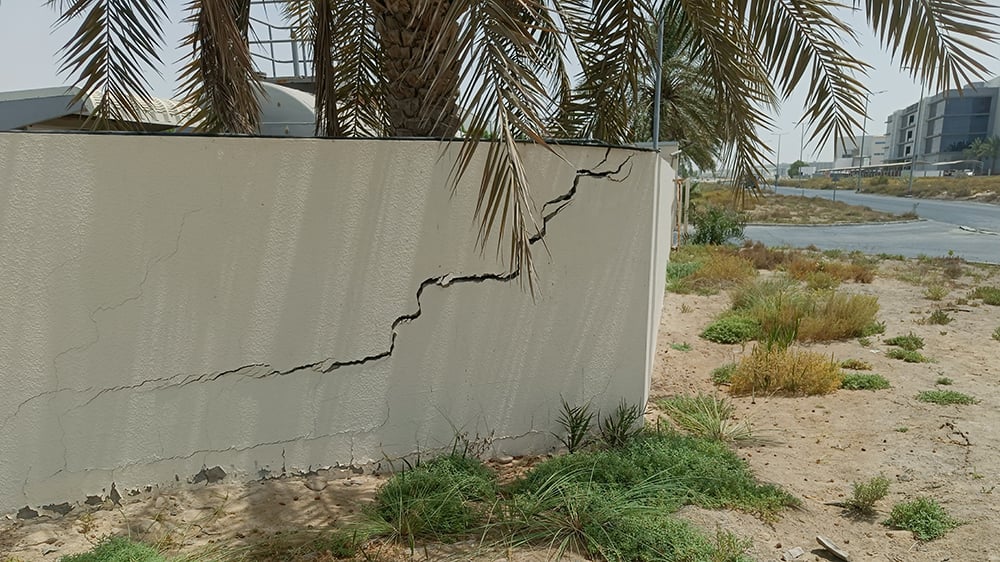
Stair-step cracks
Follows the mortar lines in brickwork, stepping up or down the wall.
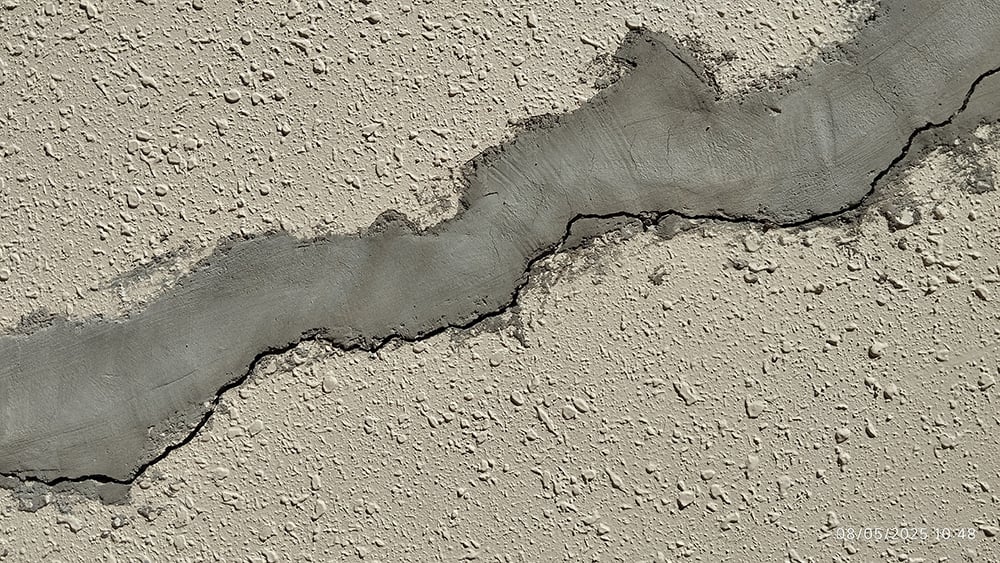
Settlement cracks
A general term for cracks caused by the home's foundation settling downwards.
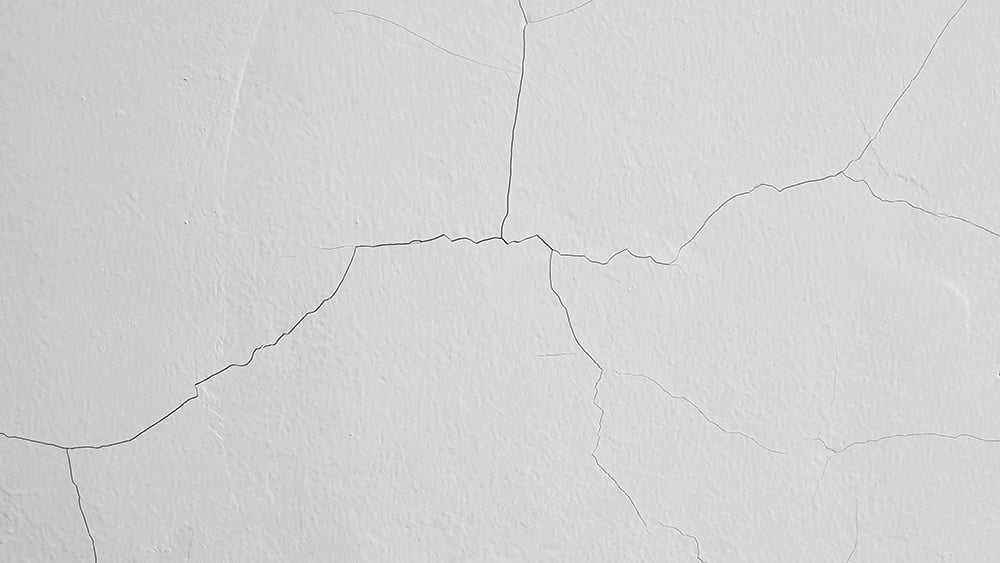
Hairline cracks
Very fine, thin cracks that can appear in plaster, often the earliest sign.
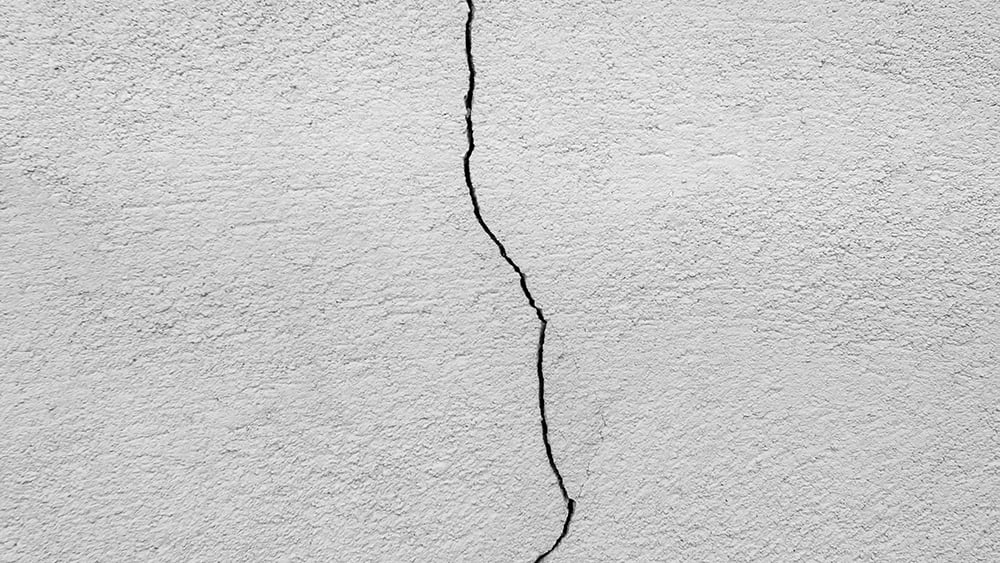
Vertical cracks
Runs straight up and down, often wider at the top or bottom.
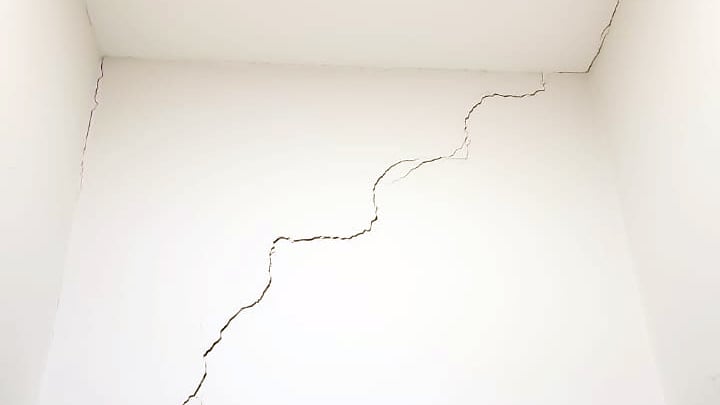
Diagonal cracks
Spreads out from corners of windows or doors, usually at a 45-degree angle.
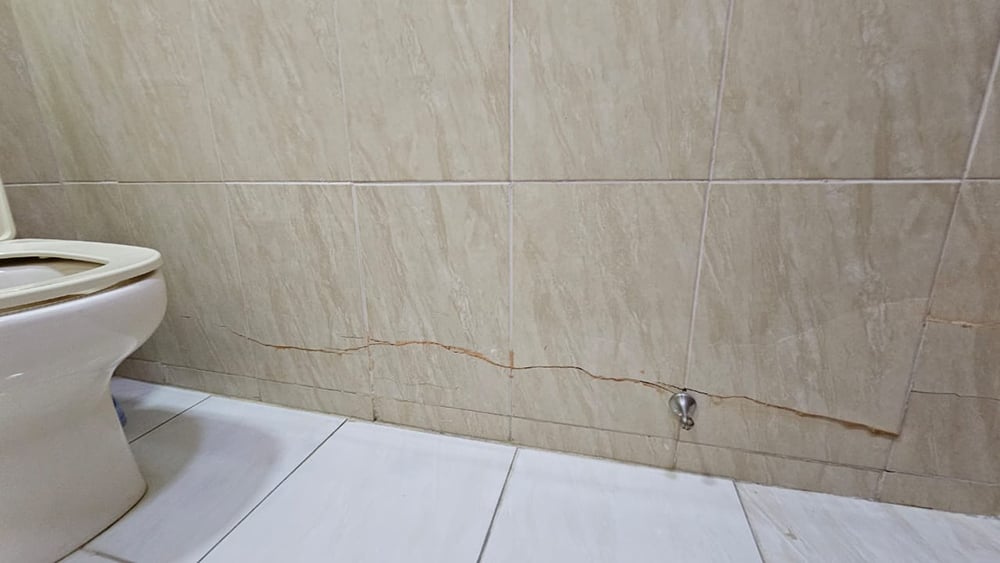
Horizontal cracks
Runs sideways along walls, potentially indicating significant structural stress.
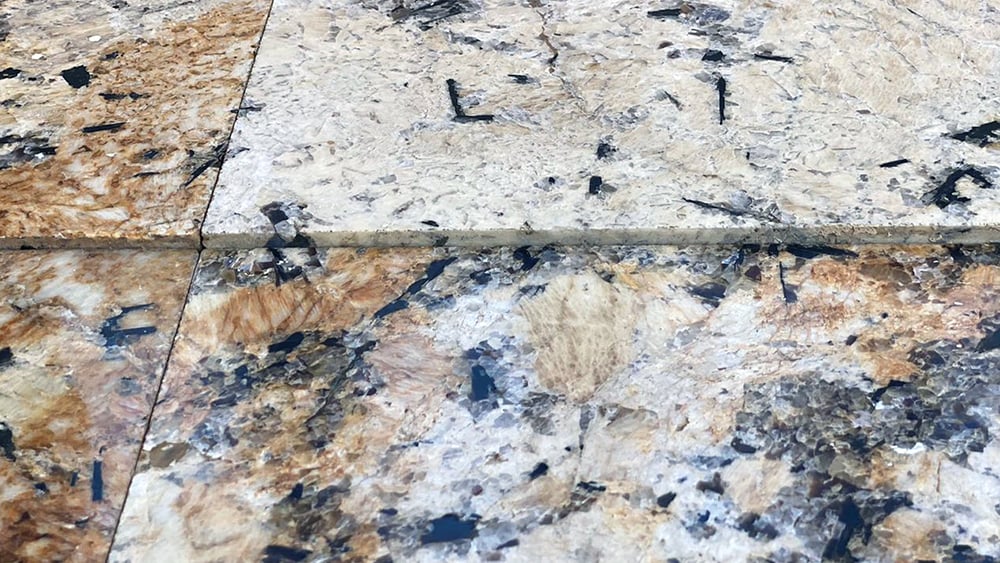
Uneven and sinking floors
You may notice a sinking or sloping feeling when walking across a room. Furniture might lean to one side, or you may see a visible gap appearing between your floor and the skirting boards. This is often a clear indication that the ground beneath your floor is no longer providing adequate support.
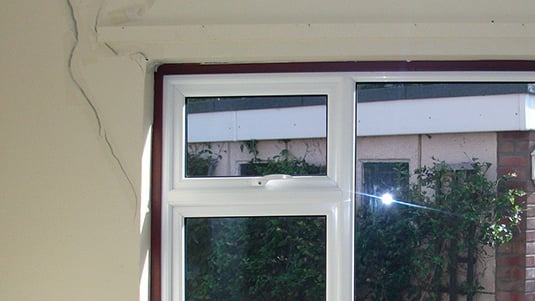
Misaligned and hard to open doors and windows
When your home's foundation shifts, it distorts the frames of doors and windows. This causes them to stick, jam, or no longer close properly. You might also notice that latches no longer line up, or gaps have appeared around the frames, letting in drafts.
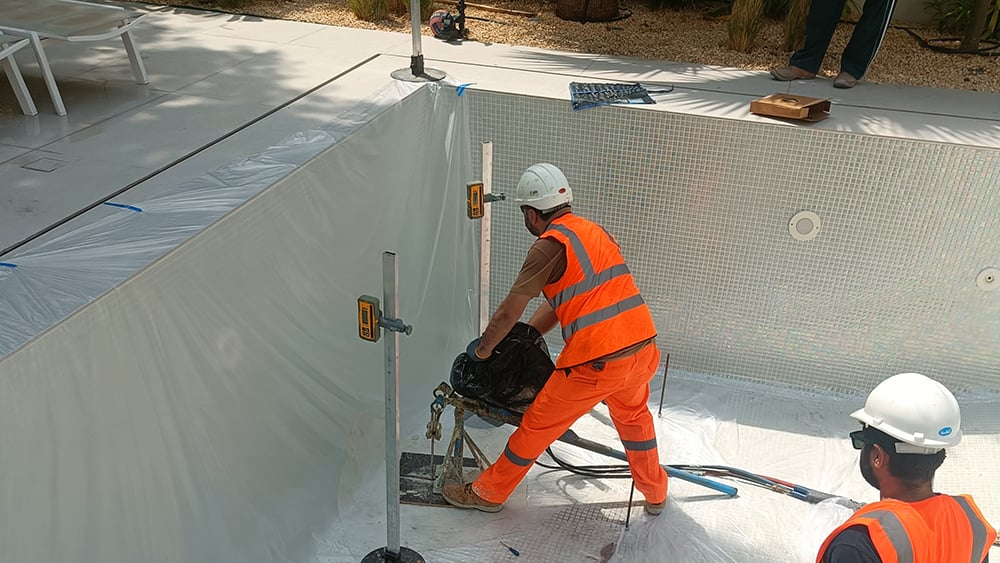
Sinking or uneven pools
Pool water line is no longer level (one end of the pool looks fuller than the other), or structural cracks appearing in the pool tiles or shell, or the pool surround (decking or tiles) is dipping or pulling away from the pool edge, creating a trip hazard.
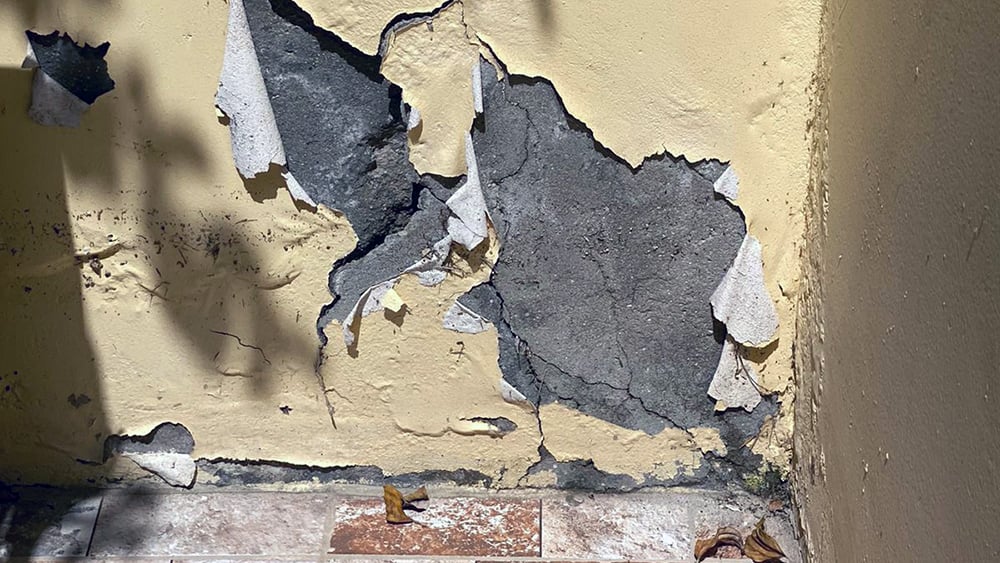
Wall coating damage
Ground settlement movement often causes cosmetic damage. Look for crinkling or tearing in wallpaper with no signs of damp, or fine cracks appearing through plaster or render. These signs often correspond with larger structural cracks hidden underneath the wall's surface.
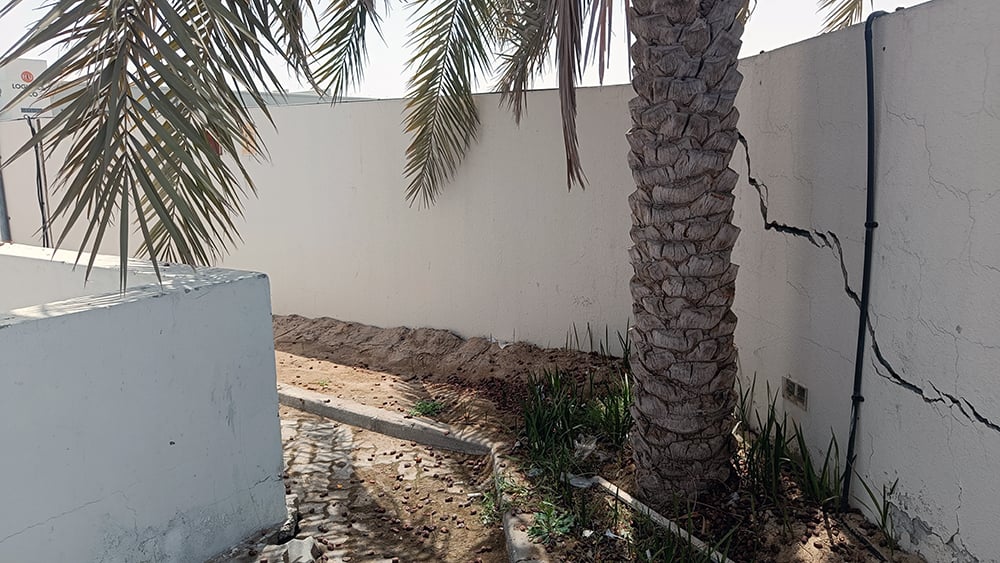
Boundary wall cracks, gazebo tilt, sinking interlocks
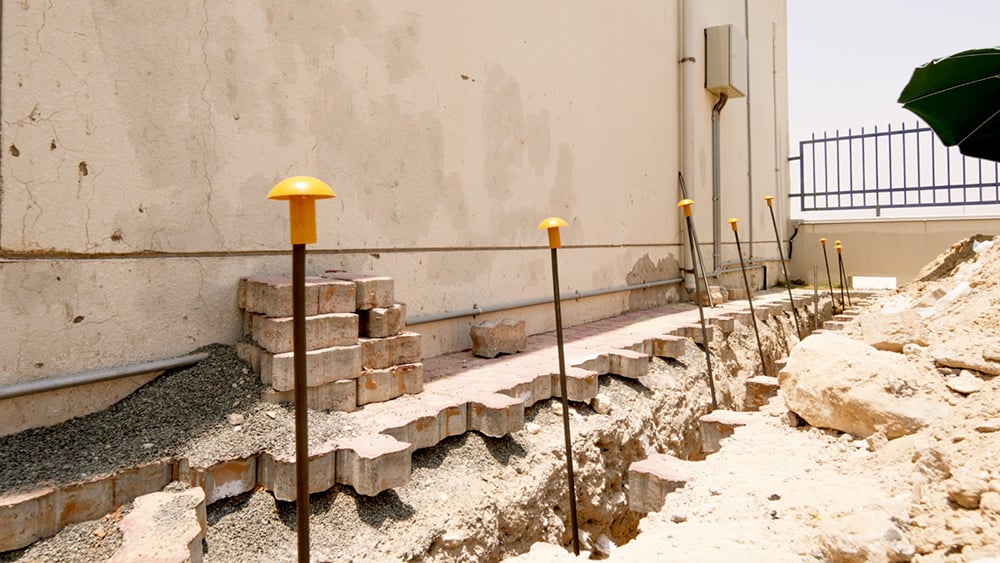
Dips or "bird baths" appearing in your interlock driveway where sand has washed away, garden structures or pergolas leaning to one side or vertical cracks or leaning sections in your perimeter wall are signs of ground movement.
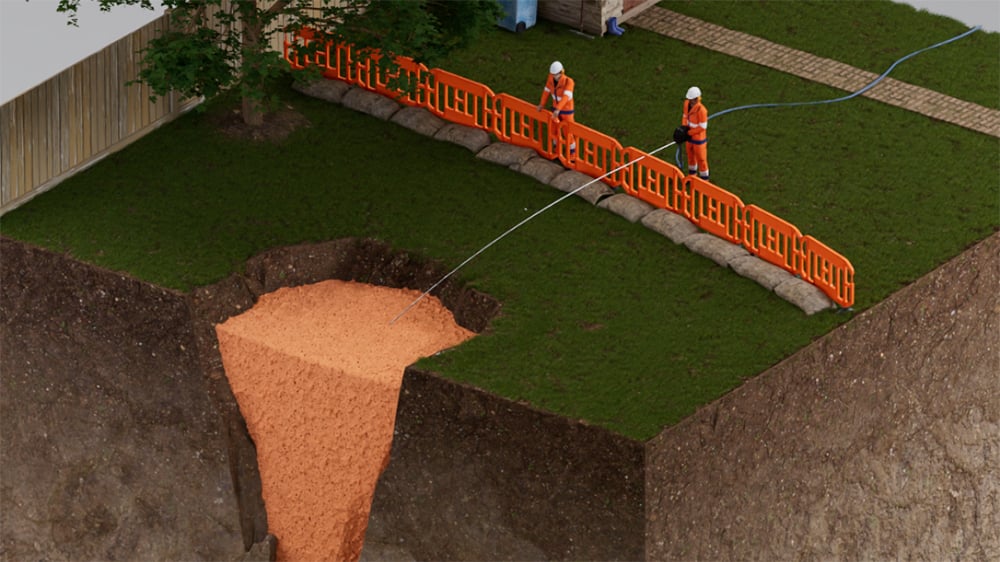
Loose sand & washout
Many villas are built on loose desert sand. If you have a leaking underground pipe, irrigation issue, or even a leaking AC drain, the water can wash away the fine sand particles, creating voids under your foundation.
Sabkha soils
Coastal areas (like parts of Abu Dhabi and Dubai) often contain Sabkha—a salt-rich soil. When Sabkha gets wet, the salt dissolves, creating voids where the ground may collapse into.
Poor compaction
In reclaimed land or rapidly developed areas, deep fill material may not have been compacted correctly during construction. Over time, this loose soil consolidates, causing your villa to sink.
Heavy loads & extensions
Adding a heavy new feature—like a swimming pool or a large annex—to ground that wasn't prepared for it can cause immediate settlement.
Nearby construction
If you are suddenly noticing wide wall cracks or an uneven townhouse floor, the culprit might be the construction site down the street.
Worried about your villa?
If you see these signs, don't wait. Our engineers can tell you if it's a simple cosmetic issue or a structural problem that needs fixing.