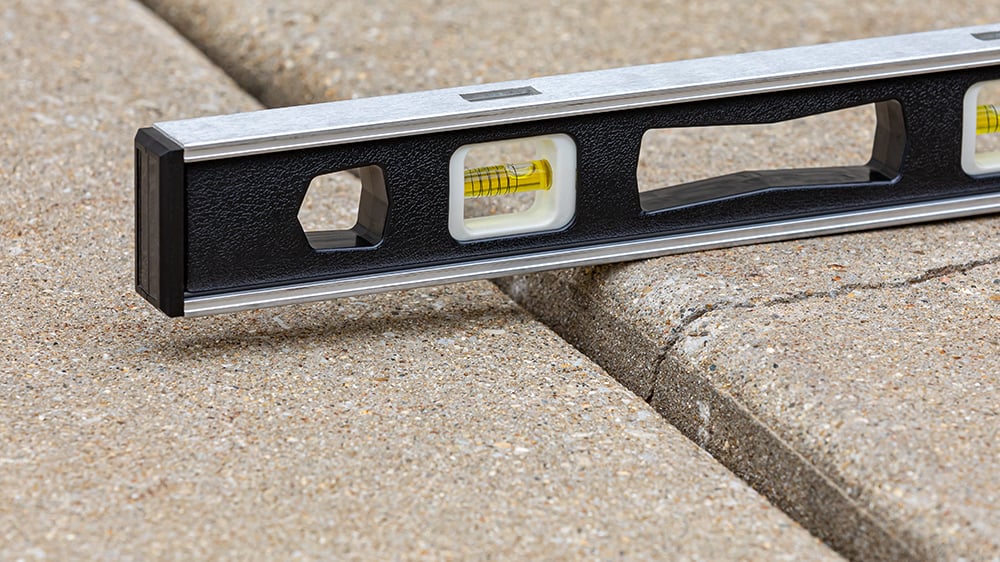
Uneven or sinking concrete floors
The symptoms: concrete slabs dropping at joints, creating trip hazards or causing "speed bumps" for forklifts.
The cause: cften due to poor compaction of the sub-base during construction or the slow consolidation of deep sandy fill under dynamic loads.
The risk: damages MHE (Material Handling Equipment), disrupts automated systems (AS/RS), and creates liability for workplace injuries.
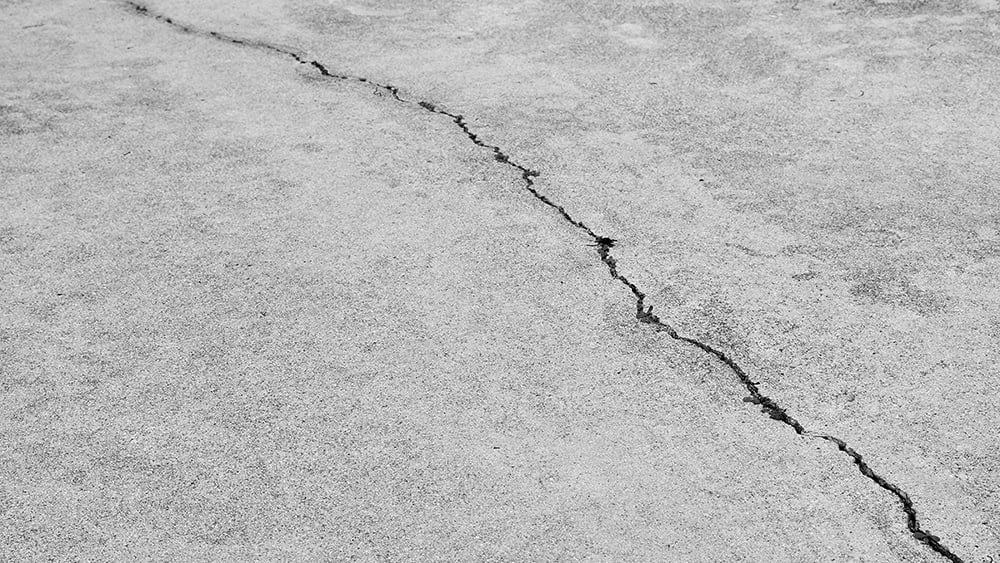
Structural cracking in walls or floors
The symptoms: diagonal cracks appearing near windows, doors, or corners, often widening over time.
The cause: differential settlement, where one part of the foundation sinks faster than another. In the UAE, this is frequently triggered by Sabkha hydro-collapse (salt dissolution) when water enters the ground.
The risk: compromises the structural integrity of the building and reduces property value.
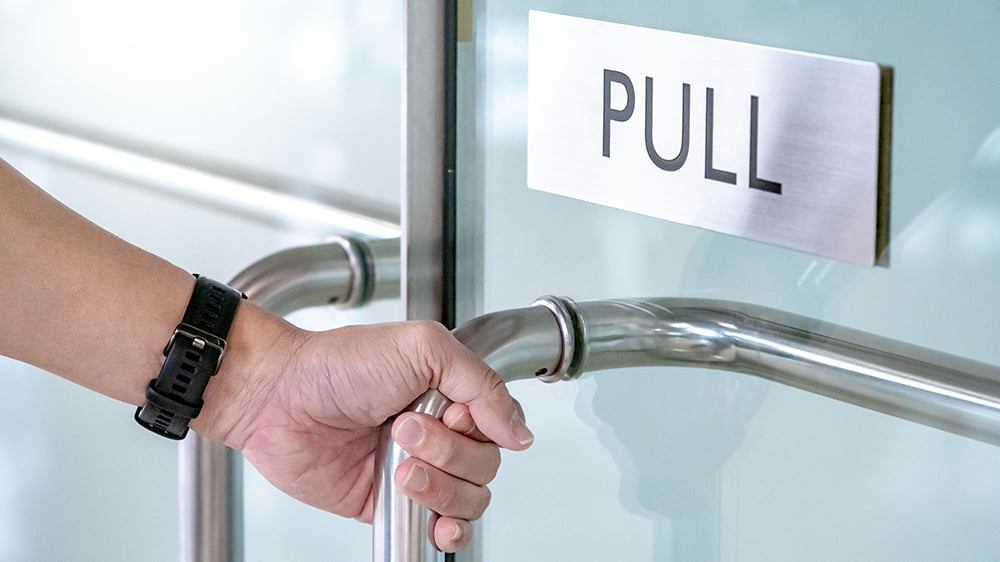
Jammed doors and windows
The symptoms: fire doors, security gates, or automated entrances failing to close or lock properly.
The cause: distortion of the building frame due to foundation movement.
The risk: breaches security protocols, compromises fire safety compliance, and affects environmental control (AC loss).
Damage to sensitive equipment & machinery
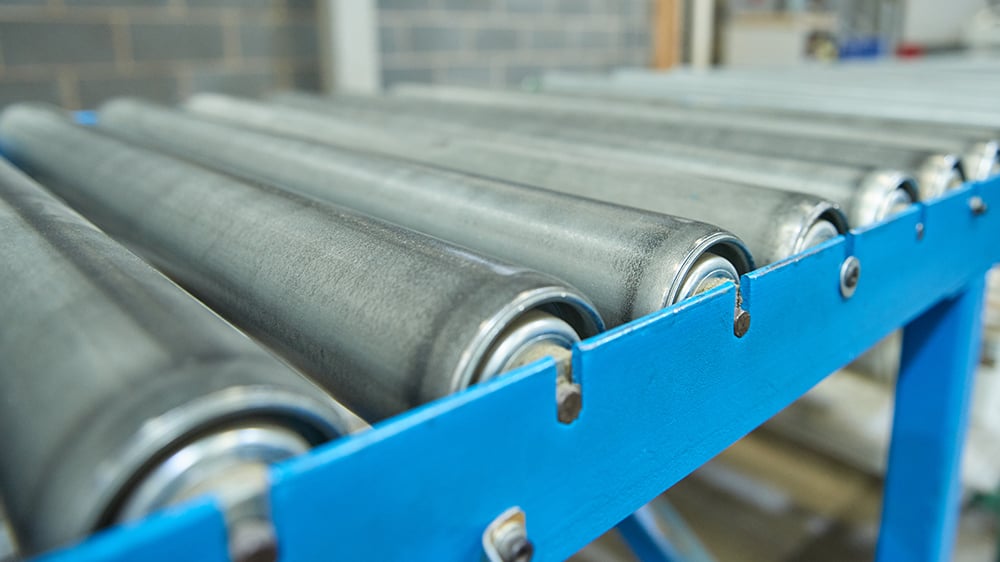
The symptoms: frequent misalignment of production lines, excessive vibration in rotating machinery.
The cause: machine base settlement. Heavy vibration from industrial equipment can compact loose sandy subgrades over time (dynamic compaction), causing the isolated machine foundation to sink or tilt independently of the main floor.
The risk: failure of high-value assets (such as presses, or CNC machines), accelerated wear on bearings, and unscheduled production downtime.
Rocking floor slabs
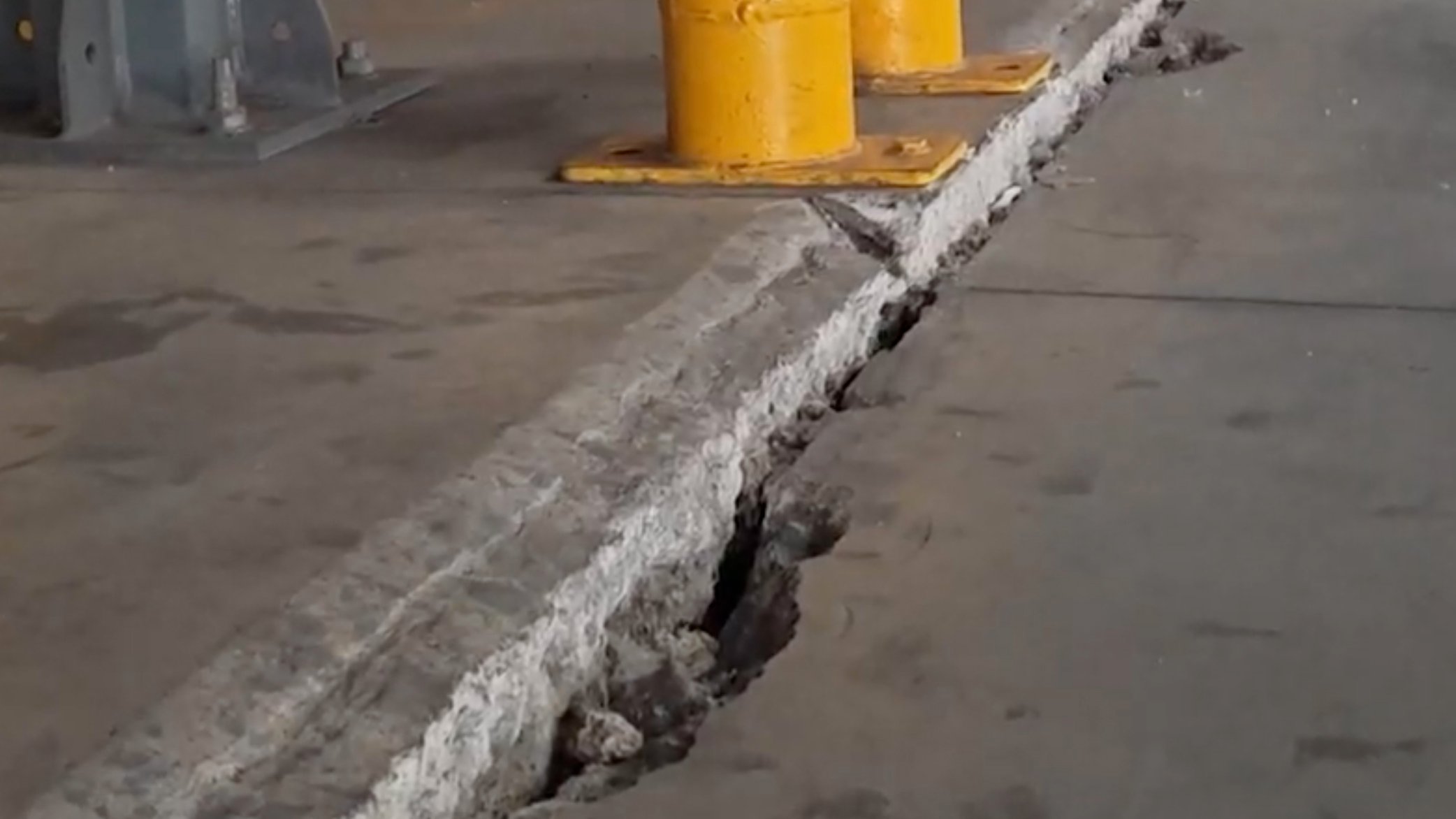
The symptom: concrete panels moving or "clunking" when vehicles pass over them.
The cause: voiding beneath the slab. This "curling" or rocking occurs when the soil support has washed away or settled, leaving the slab bridging a gap.
The risk: rapid deterioration of the concrete slab, joint spalling, and potential failure under heavy loads.
Our engineered solutions for your business
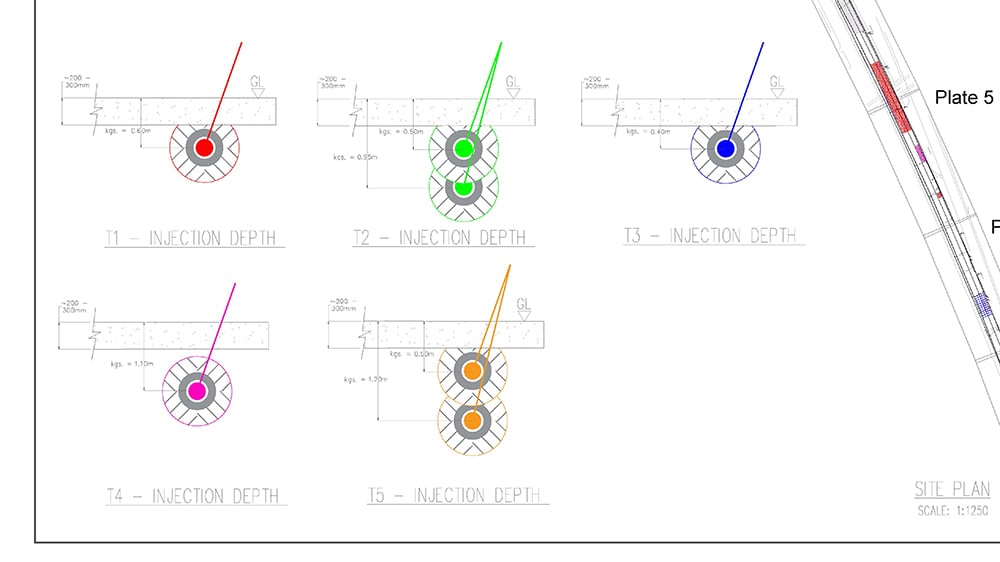
We don't just patch the cracks; we treat the ground. We provide a comprehensive range of engineered solutions to resolve the root cause of these symptoms with minimal disruption to your operations.Ground Improvement: Densifying weak soils to increase bearing capacity.Void Filling: Filling washouts and cavities to restore support.Re-levelling: Lifting sinking slabs back to datum with millimeter precision.
Ground improvement: densifying weak soils to increase bearing capacity.
Void filling: filling washouts and cavities to restore support.
Re-levelling: lifting sinking slabs back to datum with millimeter precision