What is void filling?
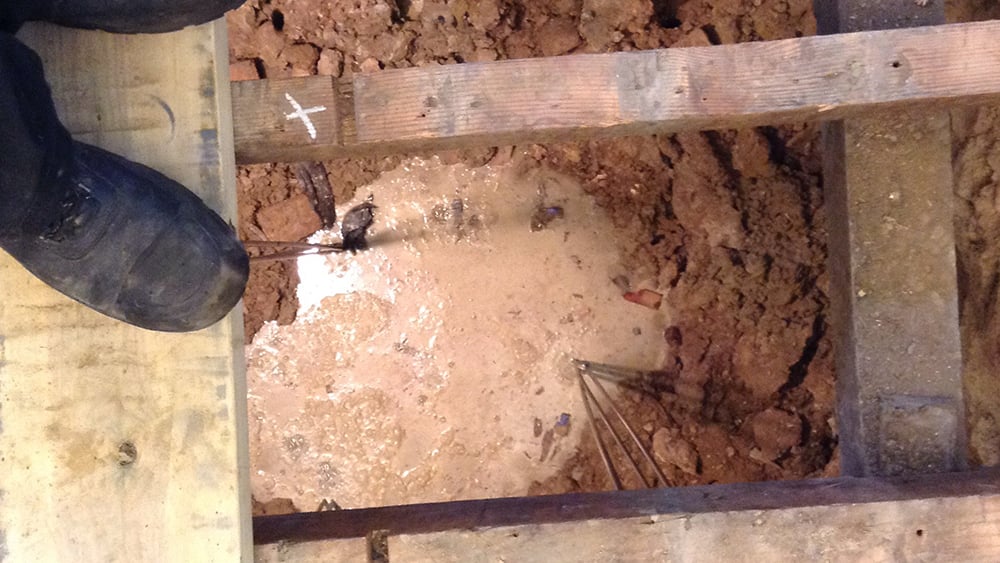
View into the void below Queens Hotel Cheltenham being filled by Geobear

A void beneath a commercial floor slab or foundation means the concrete is effectively unsupported, bridging a gap it was not designed to span. This inevitably leads to catastrophic slab failure, cracking, or rocking panels that disrupt operations.

In the UAE commercial sector, voids are frequently caused by sand washout (from leaking fire mains or utilities) or dissolution cavities in Sabkha soils beneath industrial zones.

Geobear provides an advanced engineering solution to fill these voids. We inject a structural, expansive geopolymer that fills the cavity, compacts the surrounding loose soil, and restores full contact with the underside of the slab (the soffit)—all without excavation or shutting down your facility.

Technical causes of voids under commercial buildings

Understanding the mechanism of void formation is critical to selecting the right repair method for your asset.

1
Soil migration (washout)

The most frequent cause in the region. Leaking pressurized water pipes, broken drainage, or poor surface water management washes away fine soil particles (silts and sands) from beneath your building. This creates a "piping" effect, leaving large cavities beneath warehouse floors and machinery bases.

2
Dissolution features

In industrial zones built on Sabkha or soluble bedrock (gypsum/limestone), groundwater flow can dissolve the rock or cementing salts. This creates natural cavities that grow upward until they compromise the factory floor or foundation.

3

Supertitle

Ground consolidation ("Roof Gap")

Poorly compacted fill material used during construction will slowly settle and consolidate over time. This creates a "roof gap" between the underside of the slab and the ground, leaving the floor unsupported and vulnerable to cracking under load.

4

Supertitle

Mechanical displacement (pumping)

Heavy dynamic loads—such as forklifts, VNA trucks, or vibrating manufacturing equipment—can "pump" loose, saturated subgrade soils. This displaces the soil and creates voids under slab joints, leading to "rocking" slabs and trip hazards.

The Geobear solution: expansive geopolymer injection

Our void filling treatment is a precise engineering process that offers distinct advantages over traditional cementitious grouting or "mudjacking" for commercial environments.

We use a high-expansion, hydro-insensitivemulti-component geopolymer resin engineered specifically for void filling.

Expansion ratio: The material expands up to 40 times its liquid volume. This allows it to flow into complex, irregular void shapes and ensure 100% contact with the slab soffit.

Hydro-insensitive: The resin is hydrophobic. It displaces standing water in the void and cures to full strength even in saturated conditions, making it ideal for repairing washouts from pipe bursts.

Lightweight: Unlike cement grout (which weighs approximately  ~2400kg/m³), our material is lightweight (<100kg/m³). This is critical: it fills the void without adding significant new overburden weight to the already weak subgrade, preventing further settlement.

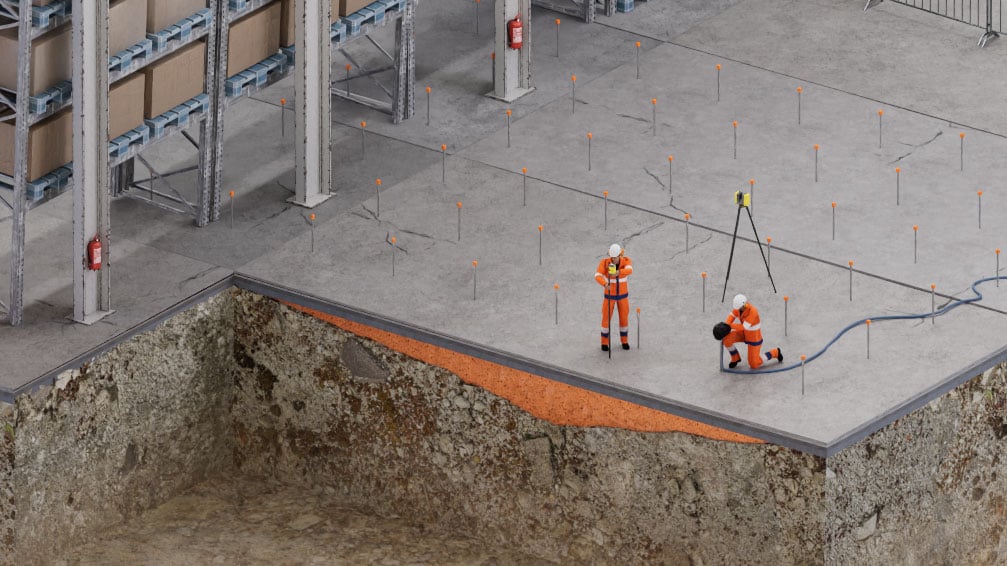
3d model warehouse

Comparison: geopolymer vs. cementitious grout

Feature Geobear Geopolymer Cement Grout / Mudjacking
Weight Lightweight. Does not overload weak ground. Heavy. Adds massive weight, risking further settlement.
Cure Time Fast. 15 minutes to 90% strength. Slow. Days to cure fully.
Water Hydro-insensitive. Displaces water. Vulnerable. Can wash out or segregate in water.
Shrinkage None. Maintains full contact. Shrinkage. Can shrink as it cures, leaving a new gap.
Precision High. Controlled expansion. Low. Difficult to control flow.

Frequently asked questions about void filling

Our technicians monitor injection pressures and material volumes in real-time. We also use laser levels on the surface of your floor. When the void is full, the expansive force of the resin will cause a minute lift on the slab, confirming that full contact and support have been achieved.

Yes. Because our material is denser than water in its liquid phase and expands rapidly, it displaces the water from the void. It does not mix with the water or dilute, ensuring a solid, high-strength fill even in flooded cavities.

Yes. While lightweight, the cured geopolymer has a high compressive strength, specifically engineered to support heavy-duty industrial floors, machine bases, and high-traffic forklift aisles. It acts as a high-performance structural fill.

Yes. It is essential to repair the source of the leak first. Once the leak is stopped, our solution is the perfect next step because it can fill the void and stabilize the water-logged soil immediately, preventing future issues.

Mudjacking pumps a heavy, cement-based slurry, which adds significant new weight to the already weak ground and can shrink as it cures. Our geopolymer resin is lightweight and waterproof. It doesn't shrink and actively repels water, making it a more advanced and durable engineering solution.

Stop the void from growing

Don't let a hidden void compromise your facility's safety or halt your production. Contact our engineering team for a site assessment to diagnose the problem and provide a permanent, lightweight solution.


Bear pointing Bear pointing