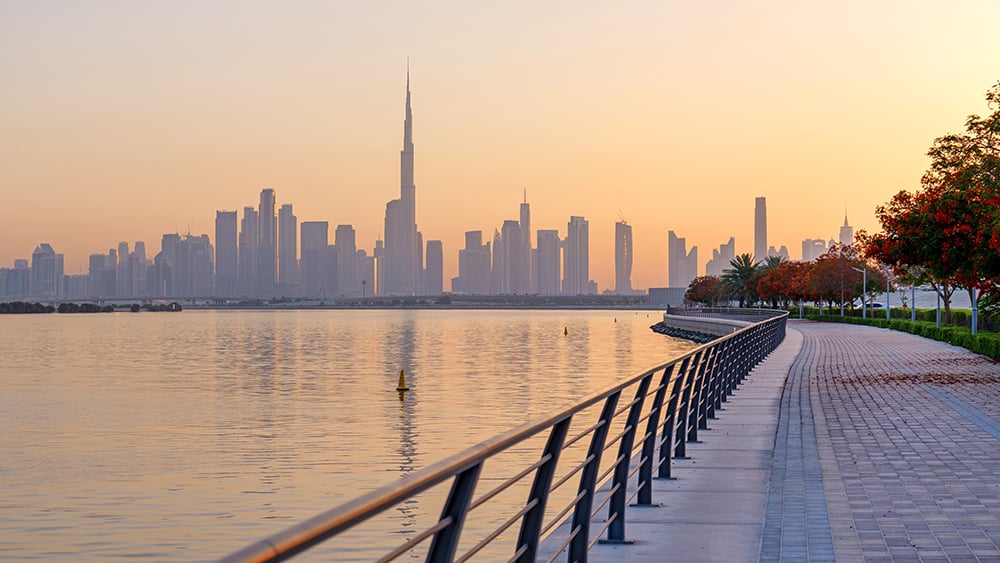
The silent threat to UAE coastal infrastructureThe UAE’s coastline is heavily developed, featuring massive man-made islands, industrial ports, and leisure corniches. These structures face a relentless enemy: hydrodynamic scour.
Over time, tidal ebb and flow, propeller wash from ships, and wave action suck the fine soil particles out from behind retaining walls and sheet piles. This process, known as "piping" or "washout," creates large voids that are often invisible from the surface until the pavement sinks or the wall fails.
Common symptoms in the UAE:
Settlement behind quay walls: Sinkholes appearing on the apron or promenade.
Rocking crane rails: Differential movement affecting gantry crane operations.
Loss of fill: Material washing out through sheet pile clutches or blockwork joints.
Scour holes: Erosion at the toe of breakwaters or bridge piers.
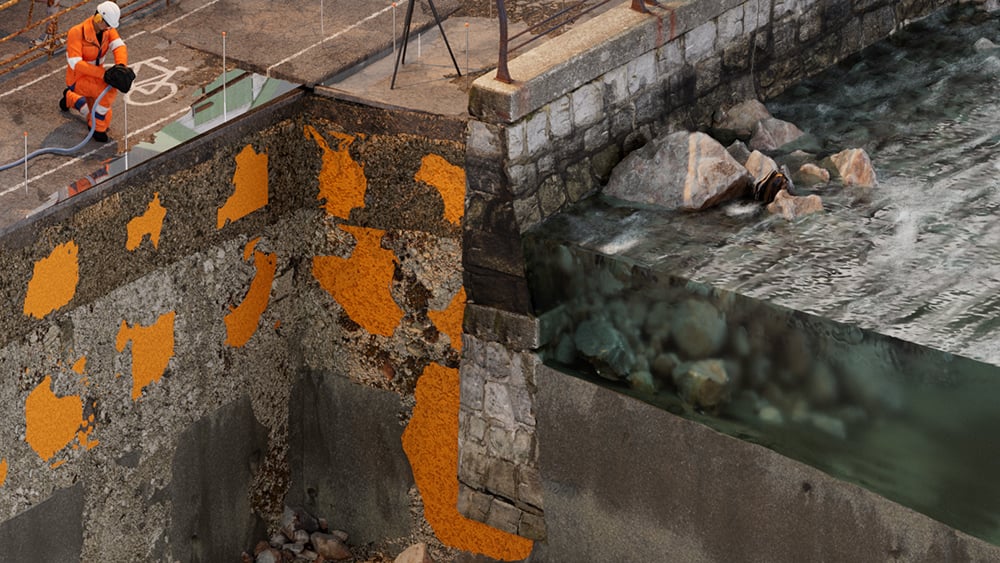
Seawall erosion is not the erosion of the wall itself, but rather the erosion of the backfill soil behind it. As water infiltrates through cracks and joints, it washes away the supporting ground, creating voids and large cavities. This process, known as "leaching," compromises the structural integrity of the seawall and the land it protects. The seawall may appear sound on the surface, but a severe storm could cause a catastrophic collapse of both the wall and the coastal assets behind it.
This issue impacts all types of coastal infrastructure:
- Coastal roads & promenades: Seawall failure can cause the ground beneath roads and walkways to collapse, leading to closures and safety risks.
- Coastal buildings: Seawall instability can cause subsidence and structural damage to critical buildings and facilities near the coastline.
- Utilities: Buried pipelines, drainage systems, and other critical utilities can be compromised, leading to major service interruptions.
- Harbours & Ports: Seawalls and revetments are essential to the operations of ports, and their failure can cause widespread economic disruption.
Business & Community Impact
For infrastructure managers, the consequences of seawall erosion are severe. A major failure can lead to catastrophic damage, forcing a complete halt to operations and resulting in immense financial costs.
Repairing a compromised seawall with traditional methods often requires extensive, time-consuming, and highly disruptive excavation from the land side, which can take weeks or months. This impacts the community with road closures and public safety risks. To see how we have helped other clients, take a look at our.
At Geobear, we act as a responsible contracting partner, helping solve these problems without the need for disruptive, time-consuming excavation. Our solutions are up to 70% faster than traditional methods, helping you maintain operations and get infrastructure back in service quickly and safely.
Geobear solutions
Geobear's Ground improvement treatment and Geobear's Water sealing treatment are highly effective, non-disruptive alternatives to traditional seawall repair. Instead of excavating the backfill, we use geopolymer injection to fill the voids and stabilise the ground. The solution has numerous benefits:
Fills voids and seals leaks
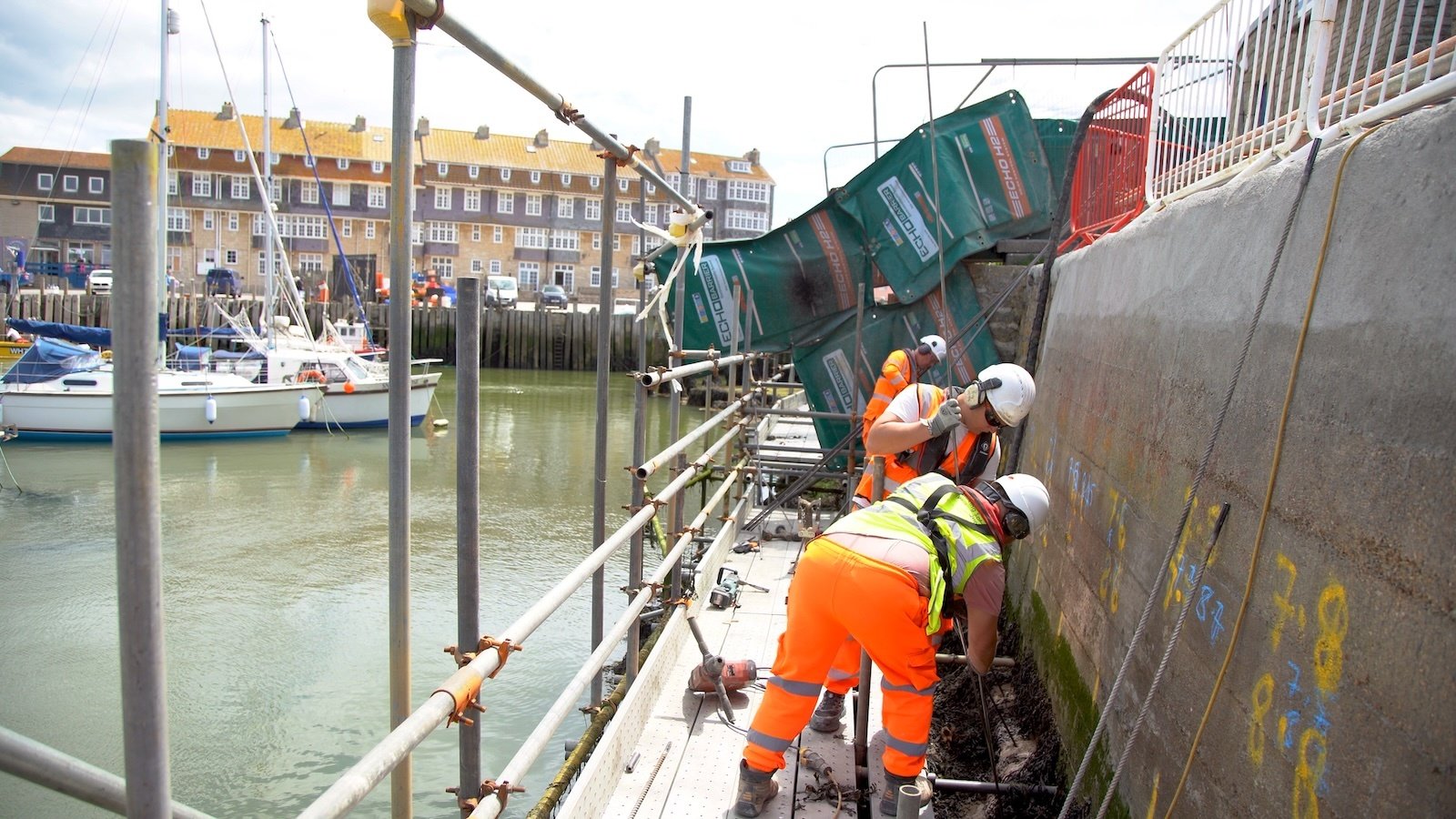
We inject a fluid geopolymer through small diameter drill holes from the land side. The material fills the voids behind the seawall and rapidly expands to seal any leaks, preventing further water infiltration and backfill erosion.
Improves the ground
The geopolymer densifies the backfill soil, creating a strong, stable foundation that better supports the seawall and the coastal assets behind it.
Is up to 70% faster:
The entire process can be completed in hours or days, not weeks or months. This dramatically reduces downtime.
Fills voids and seals leaks
We inject a fluid geopolymer through small diameter drill holes from the land side. The material fills the voids behind the seawall and rapidly expands to seal any leaks, preventing further water infiltration and backfill erosion.

What are the Geobear advantages?
No excavation: We work through small drilled holes in the pavement. Operations can often continue around us.
Eco-friendly: Our marine-grade resins are inert and environmentally neutral, safe for use in sensitive marine ecosystems.
Speed: We can treat large sections of quay wall in days, not months.
Durability: Resistant to high salinity, sulfates, and harsh marine environments.
Signs of washout behind your sea wall?
Don't wait for the pavement to collapse. Contact our marine engineering team for a rapid assessment and sealing proposal.