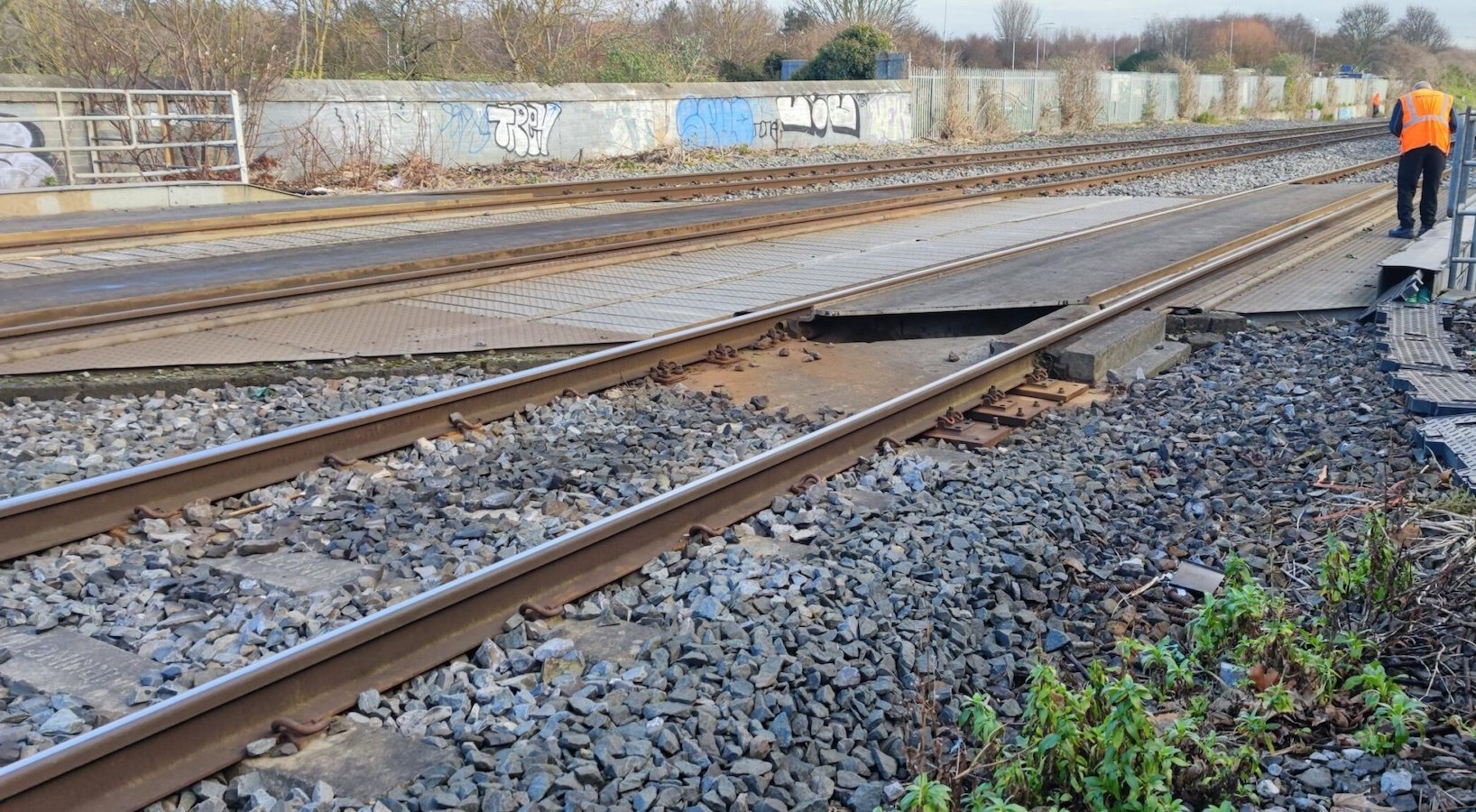
Why does ground failure happen across the rail network?
Rail infrastructure is only as strong as the ground beneath it. Ground movement and instability can be caused by a number of factors, including the dynamic action of passing trains, water ingress and the natural weakness of the subgrade soil.
Track bed subsidence can result in an unsafe track geometry and the imposition of speed restrictions or closures until remedial works are carried out. For high-traffic routes, traditional remedial works or reconstruction can require prolonged closures, which are often unacceptable. We offer a fast, reliable, and low-disruption alternative.
Why does ground failure happen across the rail network?
Rail infrastructure is only as strong as the ground beneath it. Ground movement and instability can be caused by a number of factors, including the dynamic action of passing trains, water ingress and the natural weakness of the subgrade soil.
Track bed subsidence can result in an unsafe track geometry and the imposition of speed restrictions or closures until remedial works are carried out. For high-traffic routes, traditional remedial works or reconstruction can require prolonged closures, which are often unacceptable. We offer a fast, reliable, and low-disruption alternative.
Challenges Geobear can solve
Geobear's solutions have been developed to address the core ground-related challenges that threaten rail network integrity and extend to a variety of applications, including:
Ballastless track relevelling
We restore track level and reinstate support.
Embankment strengthening
We reinforce deep-seated mechanisms of instability.
Subgrade ground improvement
We enhance the load-bearing properties of weak and compromised soils.
Void filling
We fill subsurface cavities and voids and tunnel linings preventing water ingress
Transition zones
We smooth track transitions to reduce wear.
Structural movement
Subsiding and settling lineside structures can be stabilised
Case studies
Rail transition zone improvement
A solution was required that could deliver a lasting improvement to track geometry within narrow possession windows.
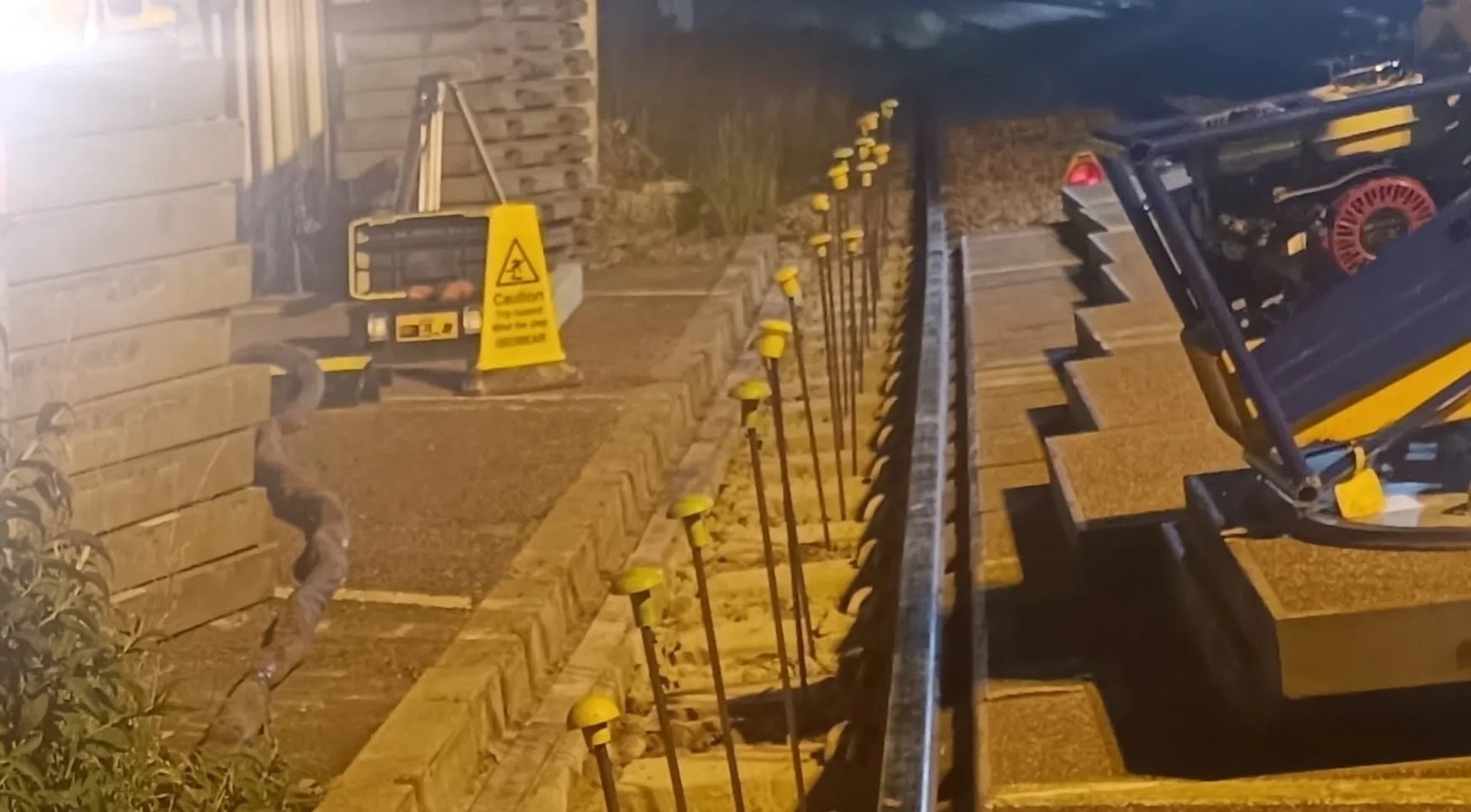
Ballasted railway level crossing
Geobear treated a deteriorating ballasted level crossing on a mainline.
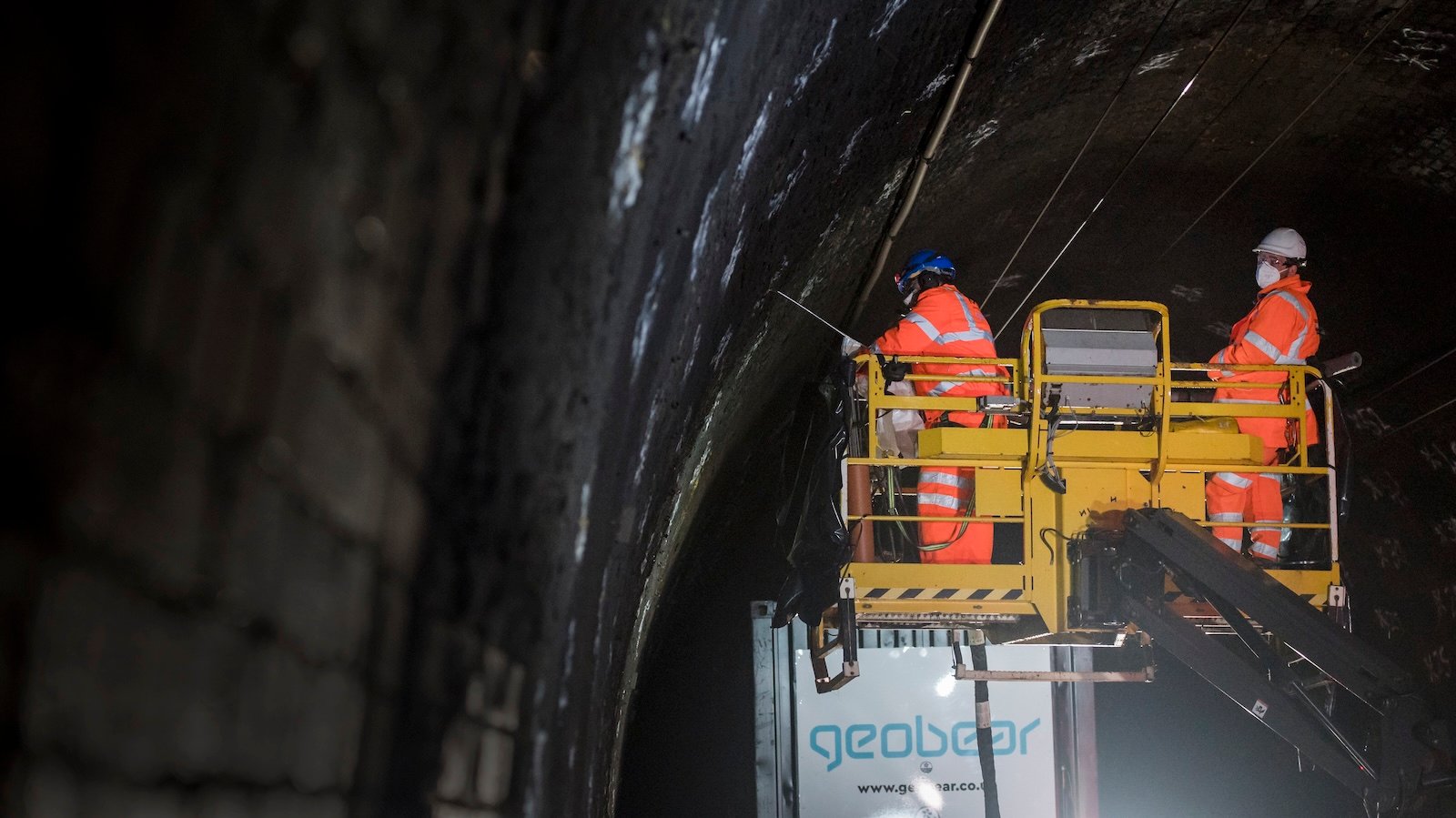
Shugborough tunnel shaft void filling
Geobear stabilised hidden construction shafts and tunnel lining voids at Shugborough Tunnel.
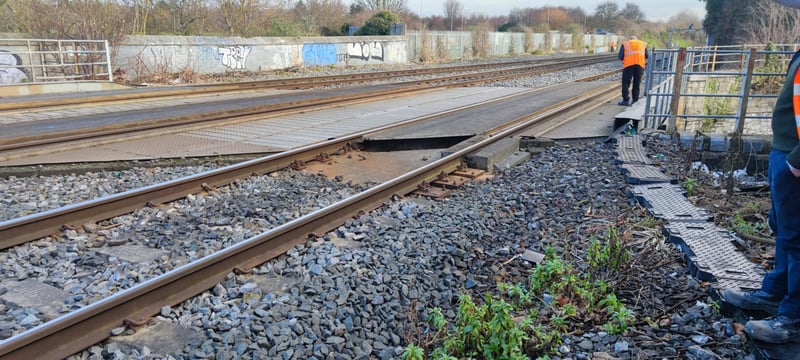
Rail transition zone ground improvement
Differential settlement and stiffness mismatches at the UBC4 rail transition caused recurring twist faults, yet Irish Rail needed a fast, ...
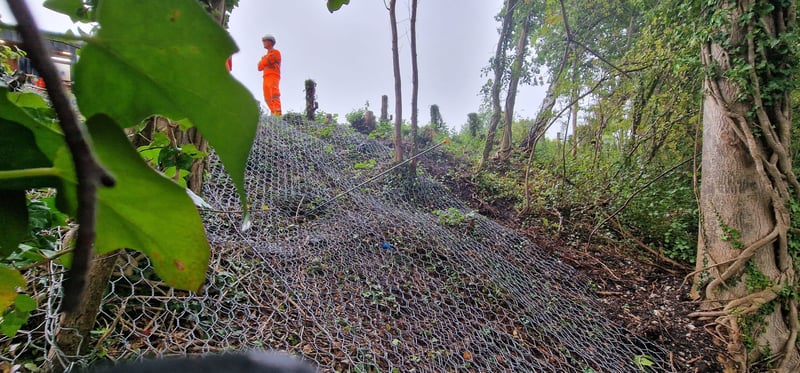
Rail embankment badger sett void filling
Badger sett activity within a rail embankment created voids and instability, posing a risk to track support and requiring remediation without ...
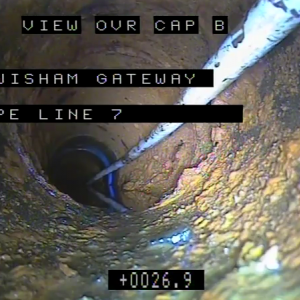
Lewisham gateway void filling
Voids were identified beneath ground slabs at Lewisham Gateway, compromising support and posing a risk to surface stability in a busy urban ...
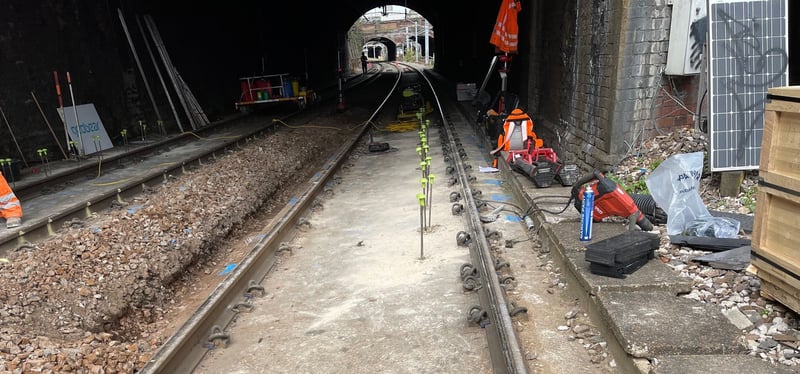
Kentish town slab track treatment
Void formation beneath slab track at Kentish Town reduced support and risked track instability, requiring remediation within a live railway ...
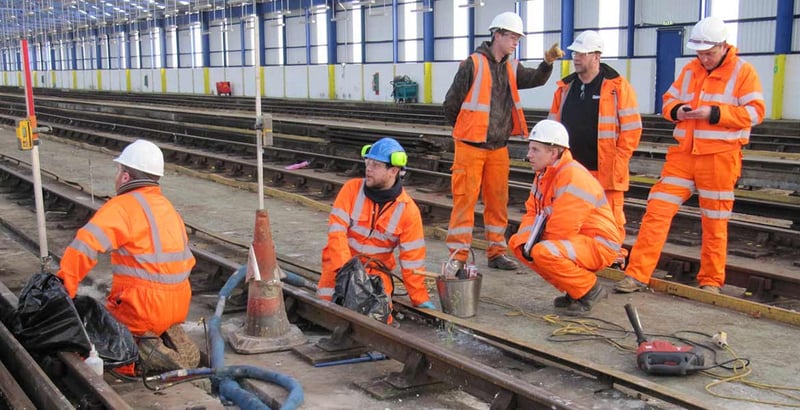
Farnham rail depot
Ground instability and settlement required remediation to protect structural performance, without invasive excavation or prolonged disruption to the ...
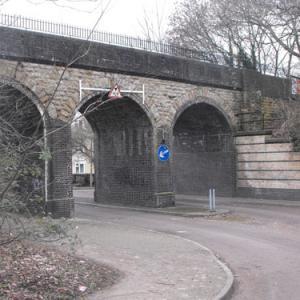
Embankment strengthening
Embankment instability and loss of ground strength threatened infrastructure performance, requiring reinforcement without large‑scale excavation, ...

Our solutions
Geobear’s solutions are non-destructive alternatives to conventional approaches that can be delivered within limited possessions and blockades, during day or night, and in areas with limited access.
Our expansive, multi-component geopolymer is injected in liquid form through small holes via hoses from our mobile workshops. The geopolymer rapidly cures into a solid, reinforcing, binding and densifying the surrounding soil. Our clients benefit from ultra-fast mobilisation, rapid implementation of the design and minimal disruption.
Geobear's solutions vs the traditional approach:
|
The Geobear Solution |
Traditional Methods (e.g. excavation) |
|
Minimal disruption. Work is carried out with no excavation or major track removal required. Our mobilise workshops contain everything we need to do our work. |
Highly disruptive. Conventional reconstruction can require prolonged closures and major temporary works. |
|
Fast. We offer fast implementation and mobilisation. Work is typically completed in hours or days, not weeks or months. |
Slower. Can take weeks or months due to extensive labour and logistics. |
|
Effective. Our solutions are designed to eliminate the root cause of geometry faults by increasing subgrade stiffness and re-establishing ground contact using our lightweight materials. |
Knock on consequences. Traditional methods can add significant weight to an asset resulting in consequential ground movement. |
|
Low carbon impact. Our approach has been verified to emit much less carbon than traditional methods (50-85% less depending on the project!) |
High carbon impact. Requires extensive transport of materials and heavy machinery. |
Benefits of working with Geobear
Designed solutions
Our solutions are designed by our in-house design team to meet your project requirements and maximise the effectiveness of our work.
Minimal disruption
Our methods ensure minimal disruption to railway operations, helping you keep your network running.
Enhanced safety and reliability
We provide a lasting ground improvement solution that enhances the safety and reliability of the line.
Precision and control
Real-time lift monitoring ensures controlled ground improvement with a high degree of accuracy (+/-0.5mm).
A sustainable solution
Our approach has a lower carbon impact compared to traditional methods.
FAQs
Our solution involves drilling small diameter holes and injecting geopolymer through narrow steel tubes inserted to the treatment depths.
Our solutions are therefore minimally disruptive and non-destructive. Our works can be delivered within limited daytime or nighttime possessions with no excavation or major track removal required.