Your guide to identifying subsidence signs and symptoms


Subsidence signs usually appear gradually. In the UK, they’re most common after long dry summers — particularly in areas with clay soil.

Not every crack means subsidence. But some patterns are clear warning signs that foundations may be moving.

This guide explains:

  • What subsidence cracks look like
  • Other structural warning signs
  • When to monitor
  • When to act
  • When to seek professional advice

If you’re unsure what subsidence is, start with our guide: What is subsidence? 

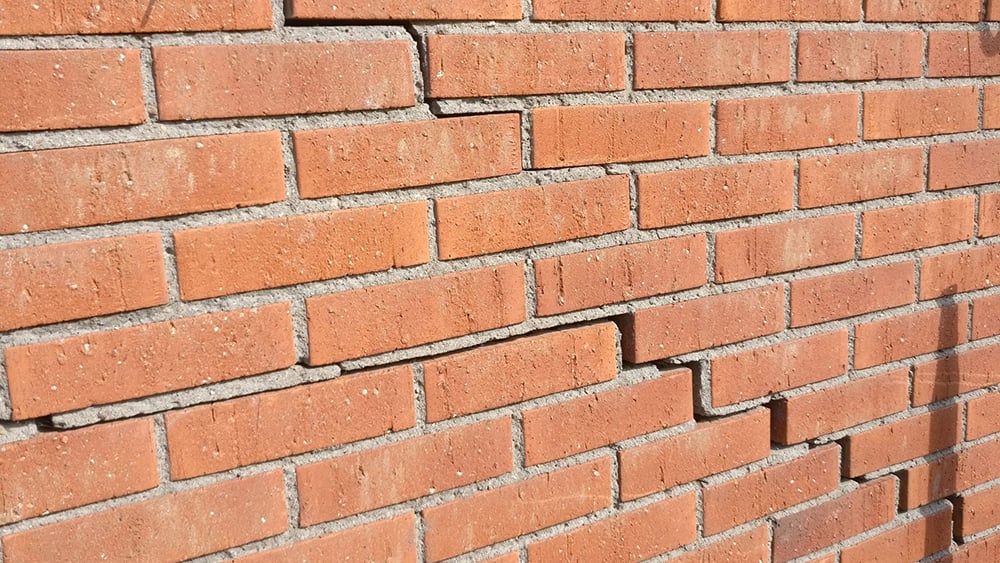
A stair step crack in brickwork on an external residential home wall

What are the main signs of subsidence?

Spotting the signs of subsidence typically focuses on identifying cracks or other structural movement indications. The key is pattern and progression — not just the presence of a crack.

The most common subsidence symptoms include:
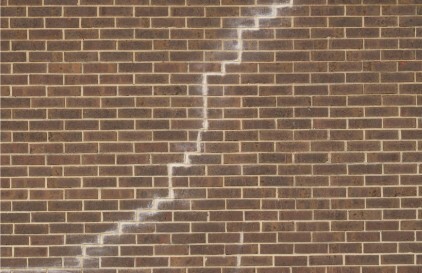
How to identify subsidence cracks in walls and brickwork

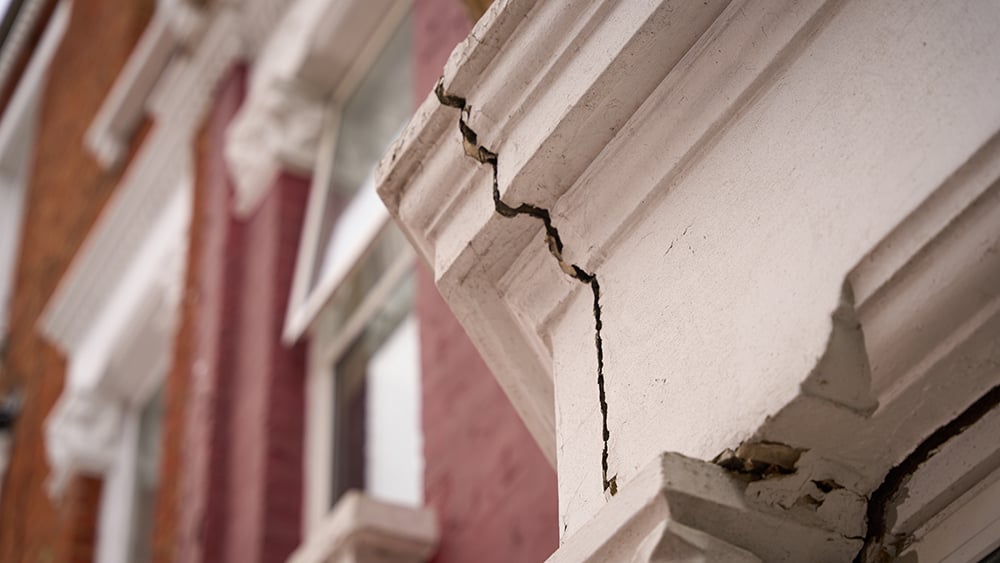
The most common subsidence symptom is cracking. To help determine if it is a subsidence related issue, look for cracks that:

  • Run diagonally
  • Follow mortar lines in a stepped pattern
  • Are wider at the top than the bottom
  • Appear near doors or windows
  • Widen over time

Hairline plaster cracks are common in most homes and are usually harmless. But cracks wider than 3mm, especially externally, should be assessed.

Internal wall subsidence crack extending from the top of a door frame upwards to the ceiling and continuing towards the left

Close up view of exterior home wall crack with crack measuring meter attached.

When are cracks more serious?

You may notice cracks becoming longer or wider. Cracks may indicate active movement when they:

Continue to widen

Appear suddenly

Are visible internally and externally in the same location

Follow long dry periods

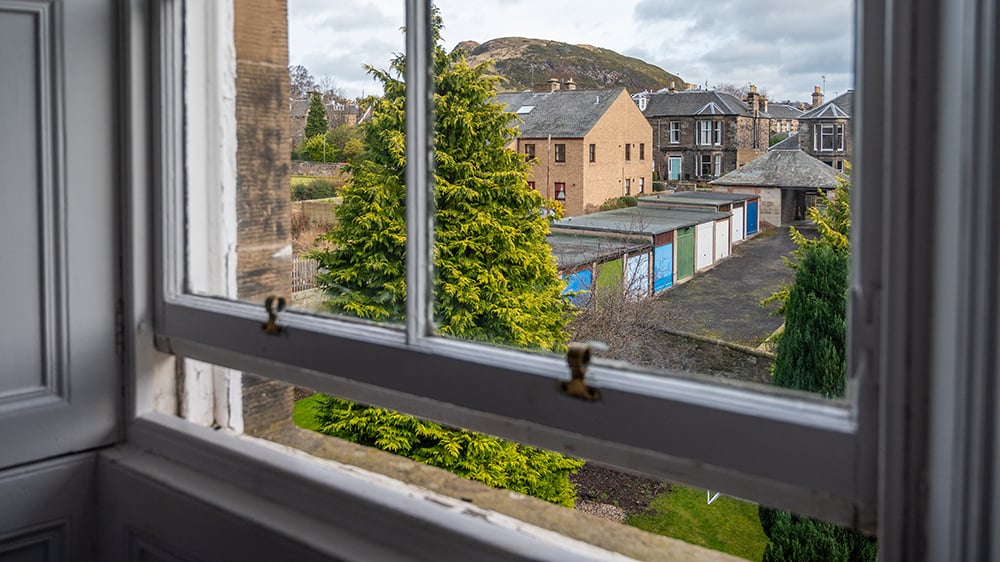
Are your doors or windows sticking?

If doors or windows suddenly become difficult to open or close, the frame may have shifted.

This can happen when:

  • One part of the foundation moves more than another
  • Brickwork distorts slightly
  • Frames become misaligned

Seasonal sticking can occur in humid weather from frames swelling. If you find you have persistent difficulties with windows or doors being hard to open or close, this may indicate structural movement.

View looking out from inside home through partially opened window.
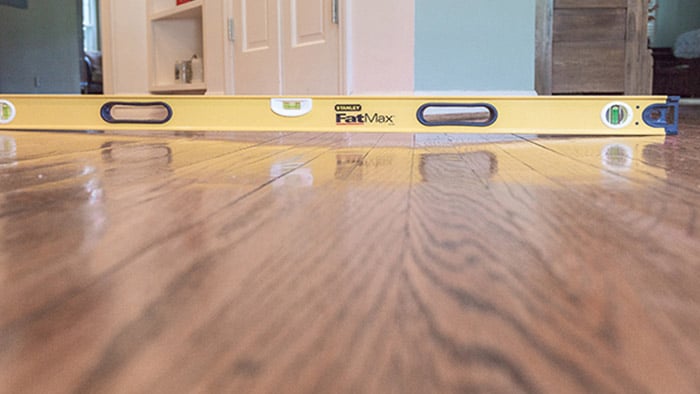
View of a level spanning a depression in a residential home's wooden floor

Sloping floors and uneven surfaces

Uneven floors can signal foundation movement — but older properties often have minor historic settlement.

The important question to determins if subsidence may be the cause is: Is the movement ongoing?

If floors feel noticeably uneven or change over time, further assessment may be needed.

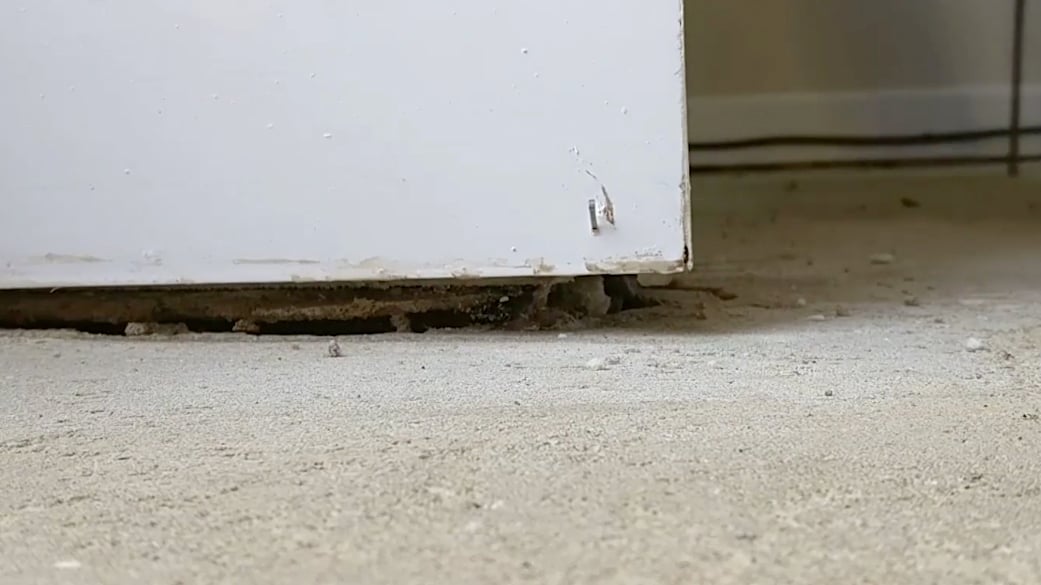
Gaps between walls, ceilings, or skirting boards?

Differential ground movement may also be visible as small internal gaps forming between:

  • Skirting boards and floors
  • Walls and ceilings
  • Internal partitions

These can indicate structural shift, and are often often subtle early warning signs.

View of corner of internal wall with floor visibly sunken creating a gap between the wall and floor.
Resi home window frame subsidence cracks

External warning signs

Subsidence signs are often quite visible on the outside of the home.  Here's what you want to look for: 

  • Cracks in render
  • Cracked patio slabs near the property
  • Gaps between extension and main house
  • Leaning boundary walls

Subsidence often affects one section of a building more than others, so you may see cracks or gaps on one wall or side of a home. 

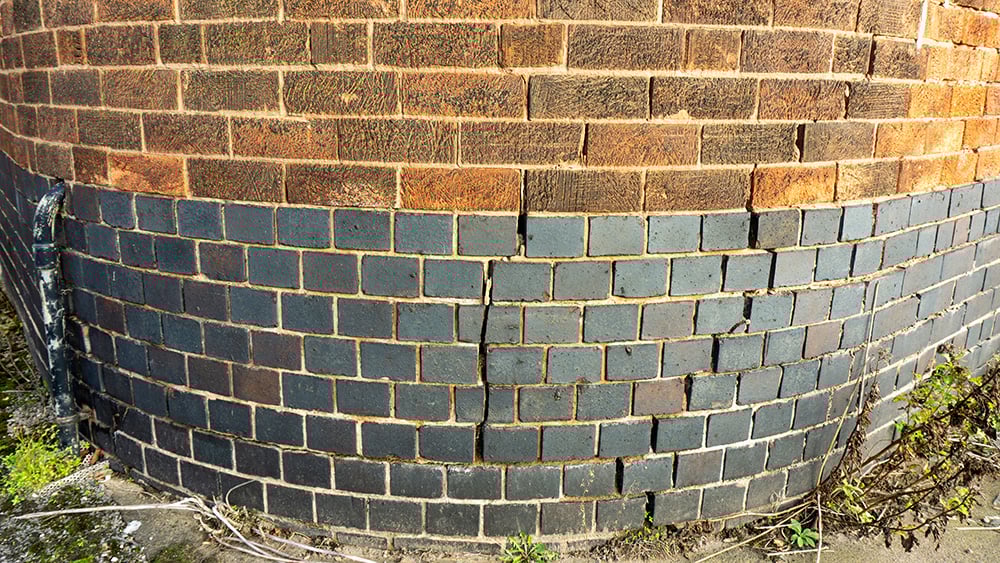
View of a curved brick residential wall showing two large stair-step cracks caused by subsidence.

When should you be concerned?

If your cracks are hairline (thin), or run vertically, and remain stable (not getting longer or wider), they are more likely settlement related.

You should see advice when you notice that:

Cracks are wider than 3mm

Cracks are diagonal and / or stepped

Cracks appear after prolonged dry weather

Doors/windows suddenly start binding or sticking

You have noticeable or ongoing movement

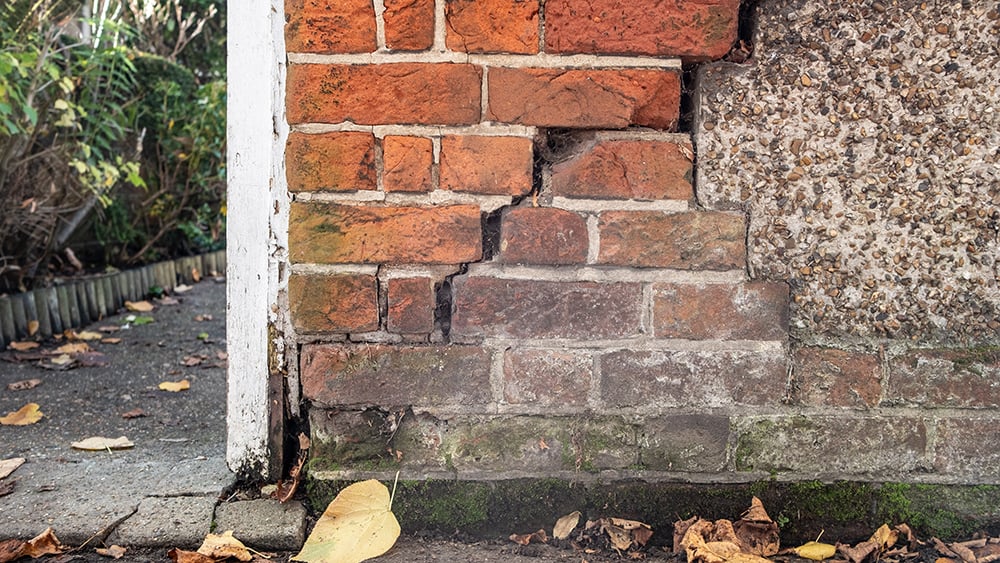
External corner of residential home bricks with settlement cracking visible in the brickwork

What to do if you suspect you have subsidence?

If you suspect your home may have subsidence, we recommend that you seek a professional assessment. At Geobear, we offer free video inspections conducted with our subsidence experts.

It's often helpful to "take an inventory" of the suspected subsidence issues, this will help if you do reach out to a professional. Here are a few tips to help with this:

1

Take photographs

2

Measure crack width

3

Monitor over 6-12 weeks

Do all subsidence signs require underpinning?

No.

In fact, underpinning is often unnecessary.
Modern ground improvement techniques can stabilise soil without excavation — meaning:

  • No large trenches
  • No need to move out
  • Less disruption
  • Faster installation

Learn more in our guide: How to treat subsidence.

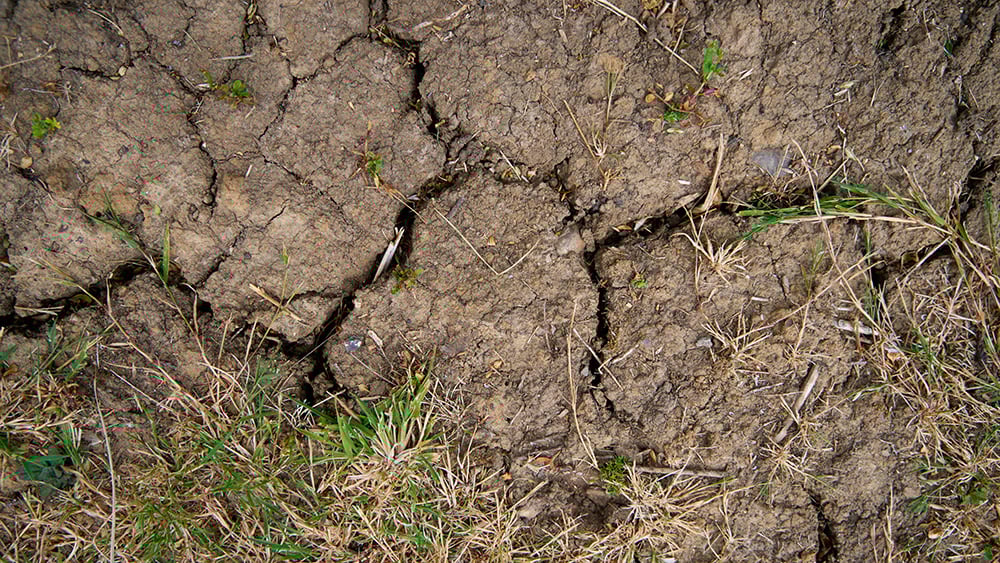
View of dry, cracking clay soil with a little green grass on the edges. Deep cracks are visible in the soil.

What causes subsidence signs to appear in summer?

In the UK, clay soil shrinkage is the most common cause of subsidence in residential homes. (Learn more about clay soil in our clay shrinkage guide).

This is caused when the soil moisture levels decrease and the clay shrinks. We also see climate variability increasing seasonal movement patterns.

During prolonged dry periods, the clay soil often follows this flow:

1

Clay loses moisture

2

The clay soil shrinks

3

Shrunken soil pulls away from foundations

4

Your home settles unevenly

What are the most common causes of subsidence in the UK?

3D illustration of a home with subsidence being treated. Drains and tree roots are shown as well as injection bulbs into clay soil
1
Clay shrinkage

Clay soil, common in London and the South East, shrinks as it dries during long, hot summers, causing the ground to shift.

2
Leaking drains and water mains

Water washing away or softening the soil beneath your foundations is one of the leading causes of subsidence.

3
Tree roots

Large trees and shrubs growing too close to your home can draw vast amounts of moisture from the soil, causing it to shrink.

4
Poor ground compaction

If the ground was not properly compacted when your home was built, it can consolidate over time, causing settlement.

Frequently asked questions about signs of subsidence

When you see potential signs of subsidence, it’s natural to have a lot of questions and concerns. Below, we’ve answered some of the most common queries we hear from homeowners to give you clear, straightforward information.

These terms describe different types of ground movement.

Settlement is the normal, even, downward movement a new building experiences as the ground compacts under its weight.

Subsidence is the uneven sinking of the ground beneath an existing property, caused by problems with the soil.

Heave is the opposite of subsidence—it's the upward movement of the ground, usually when clay soil swells after a long dry spell or the removal of a large tree.

While the classic signs include diagonal cracks, sticking doors, and rippling wallpaper, the only way to be certain is with a professional site investigation.

An expert can assess the signs and determine the specific cause of the movement, which is the first step toward the right solution.

Usually not. Hairline cracks are common in plaster and often relate to seasonal expansion and contraction.

No. Most homes have minor hairline cracks in the plaster that appear over time due to normal temperature changes. Subsidence cracks are different—they are typically diagonal, wider than 3mm (the width of a 10p coin), and are often visible both inside and outside the property.

It is extremely rare for a property in the UK to collapse due to subsidence. The process is usually very slow, developing over months or years. While it is a serious issue that needs to be addressed to prevent further damage, it does not typically pose an immediate risk to your safety.

Yes, absolutely. Modern engineered solutions are highly effective. The Geobear solution is designed to fix the problem at its source by strengthening the weak ground beneath your home. We improve the ground conditions to provide stable support for your foundations once more.

Traditional underpinning methods can take weeks or even months of disruptive building work. By contrast, the Geobear solution is very fast. Most residential projects are completed in just one or two days, allowing you to get back to normal life with minimal disruption.

If you suspect subsidence, you must inform your insurer. Having an unresolved subsidence issue can make it difficult to get insurance or switch providers. However, once the problem has been professionally resolved with a guaranteed solution, this will satisfy the requirements of most insurers.

Yes, you can take simple steps to reduce the risk. Regularly maintain your drains and gutters to prevent leaks, and ensure large trees are planted a safe distance from your home's foundations. Pruning large, established trees can also help reduce the amount of water they draw from the soil.

Subsidence cracks are typically wider than 3mm and may widen over time.

Yes — seasonal clay movement can cause cracks to open in summer and partially close in winter. But repeated cycles can worsen structural impact.

It is rarely immediately dangerous. But ignoring ongoing movement can lead to costly structural repair later.

Worried about your home?

If you've noticed any of these signs, don't wait for the problem to get worse. Contact our expert team today for a professional assessment and a clear plan to secure your home.


Bear pointing Bear pointing