Cracks in walls and brickwork
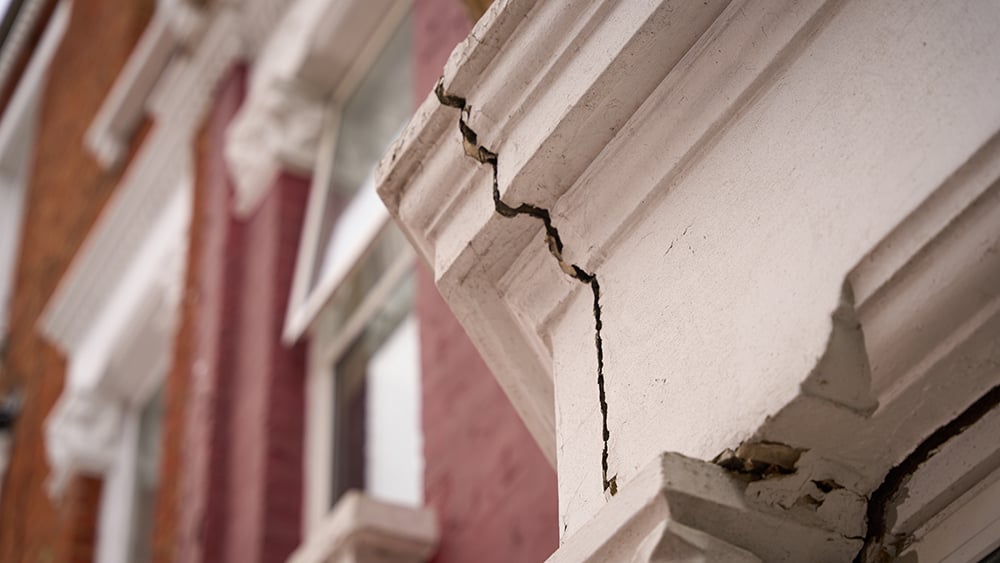
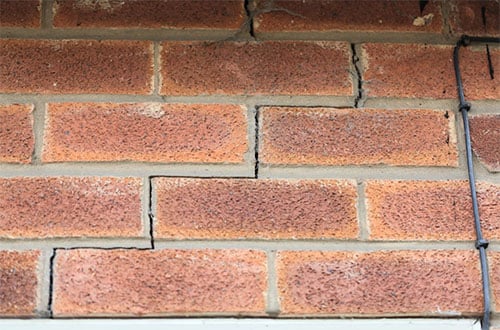
Subsidence cracks are typically diagonal, wider at the top than the bottom, wider than 3mm and found near doors and windows. They often follow mortar lines in a stepped pattern.
Doors and windows sticking
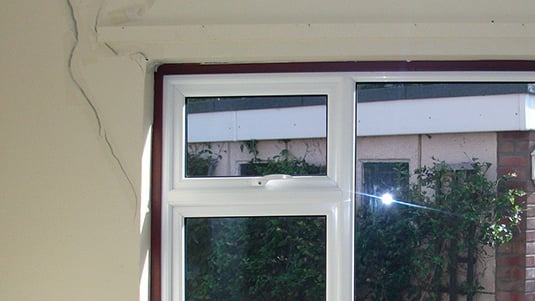
If doors or windows suddenly become difficult to open or close, the frame may have distorted due to movement. This is especially common after a dry summer when clay soils shrink.
Sloping floors and uneven surfaces
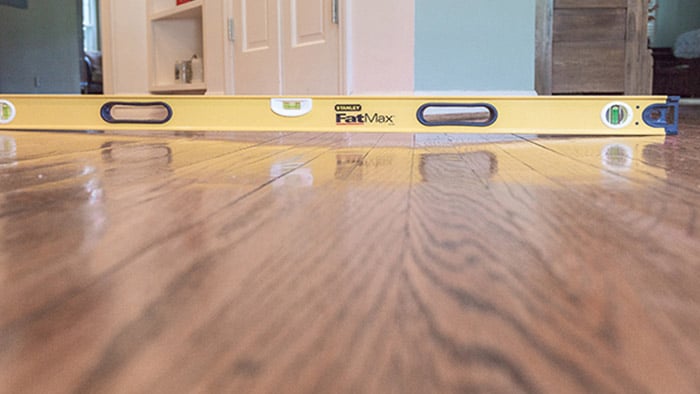
Uneven floors can indicate foundation movement. However, older homes may have slight settlement that is historic and stable. Understanding whether movement is ongoing is key.
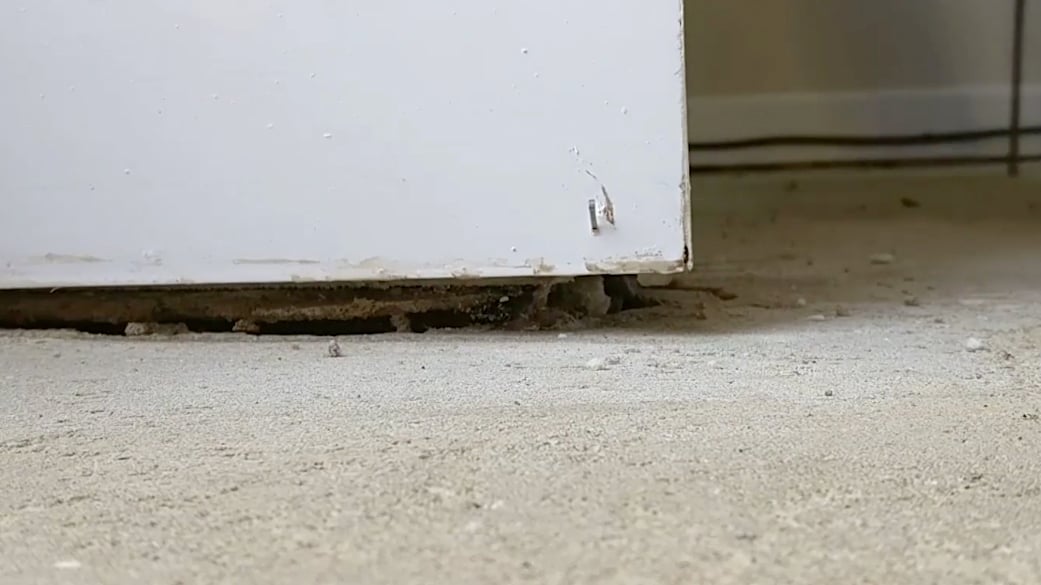
Gaps between walls, ceilings and skirting
Small gaps forming internally can signal structural shift. These are often noticed before external cracks appear.

Extreme weather
Many cases of subsidence are driven by dry weather. We have a new subsidence dashboard which helps indicate if the UK is moving into a dry period known as a subsidence surge.
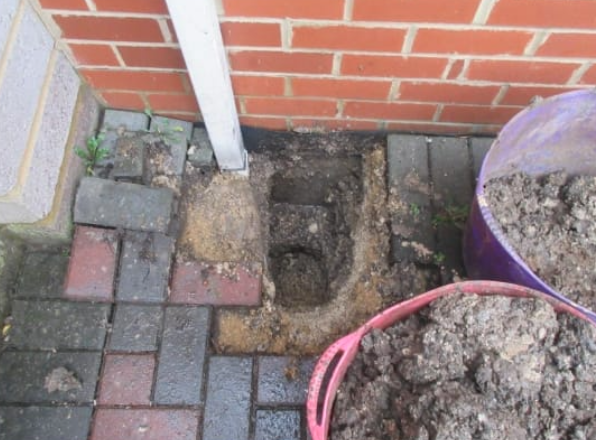
Site investigation
Site investigation may be required which confirms soil type, depth of foundations, and moisture levels. This may include trial pits, soil sampling, moisture testing.
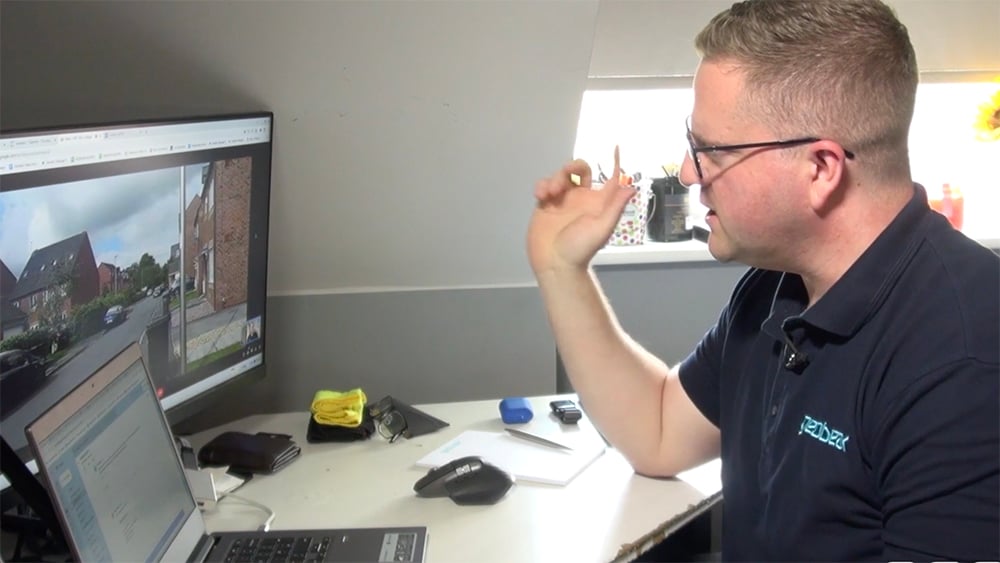
Video assessment
At Geobear, our subsidence experts are able to identify subsidence issues via a video call. If needed we may recommend a site investigation or drain survey.
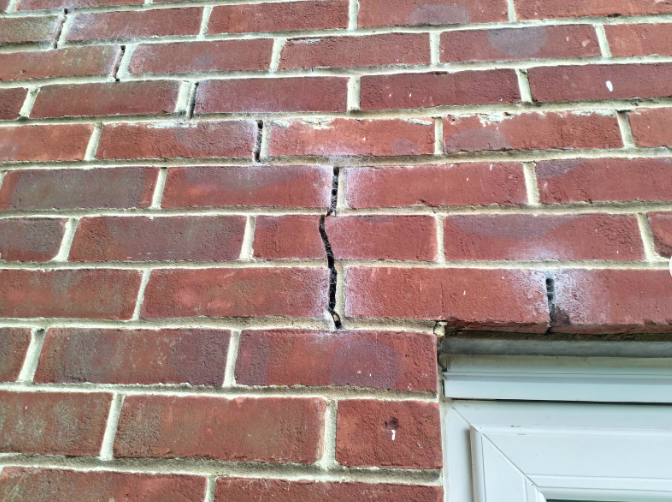
Structural surveys
A structural engineer assesses crack width and pattern, historical movement and structural risk. Monitoring may last 6–12 months in some cases.
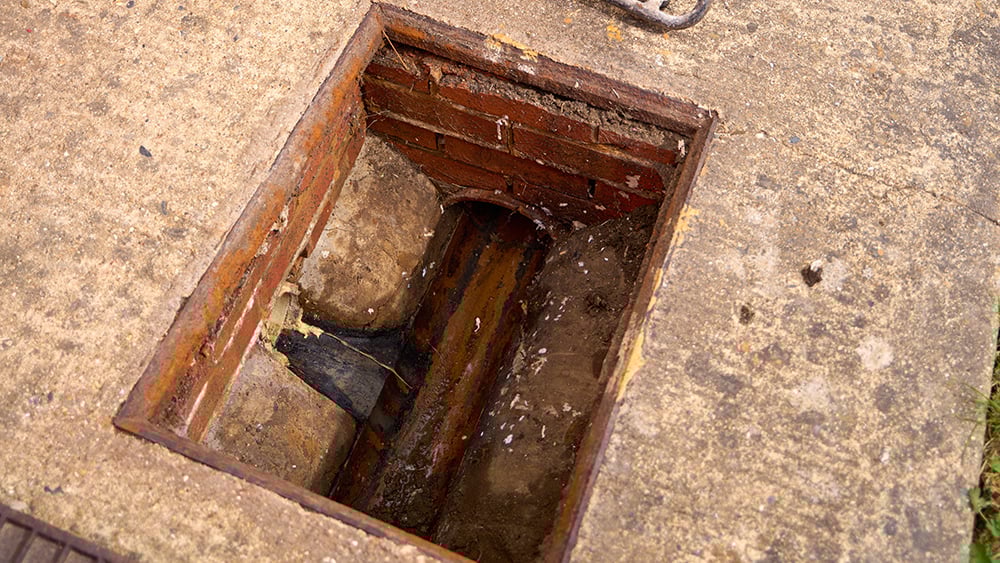
Drain surveys
Leaking drains are a common cause of localised ground washout. A CCTV drain survey identifies issues such as cracks, joint failures and collapsed sections.
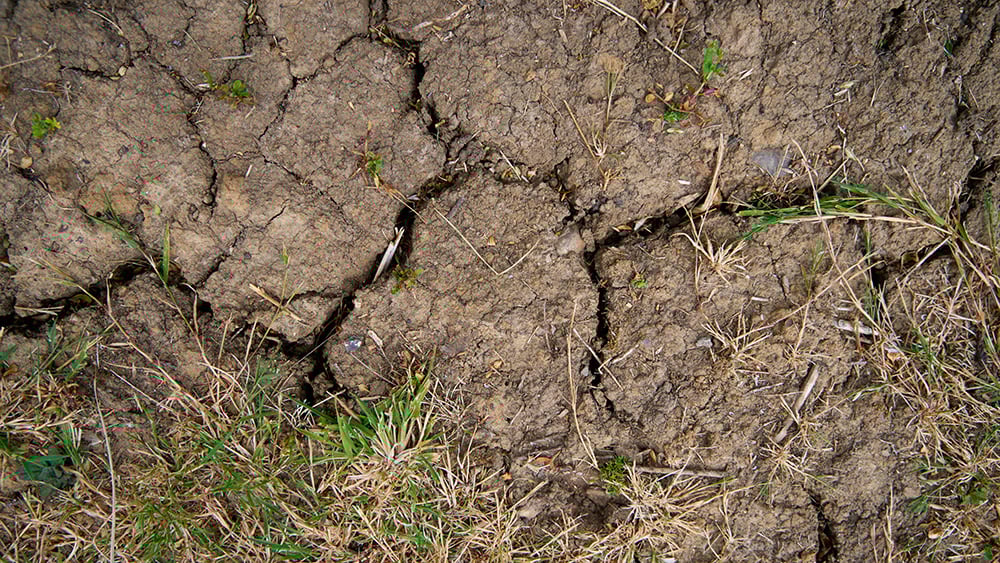
Clay soil shrinkage
This is the single biggest cause of subsidence in the UK. Clay soil is "cohesive," meaning it behaves like a plasticine or a sponge. It swells in volume when it gets wet and shrinks dramatically when it dries out. During long, dry summers or periods of drought, the clay soil beneath a house can lose a significant amount of moisture and shrink. This loss of volume causes the ground to sink, taking the foundations with it. This is often worse on one side of a house (e.g., the sunny, south-facing side), leading directly to differential settlement.
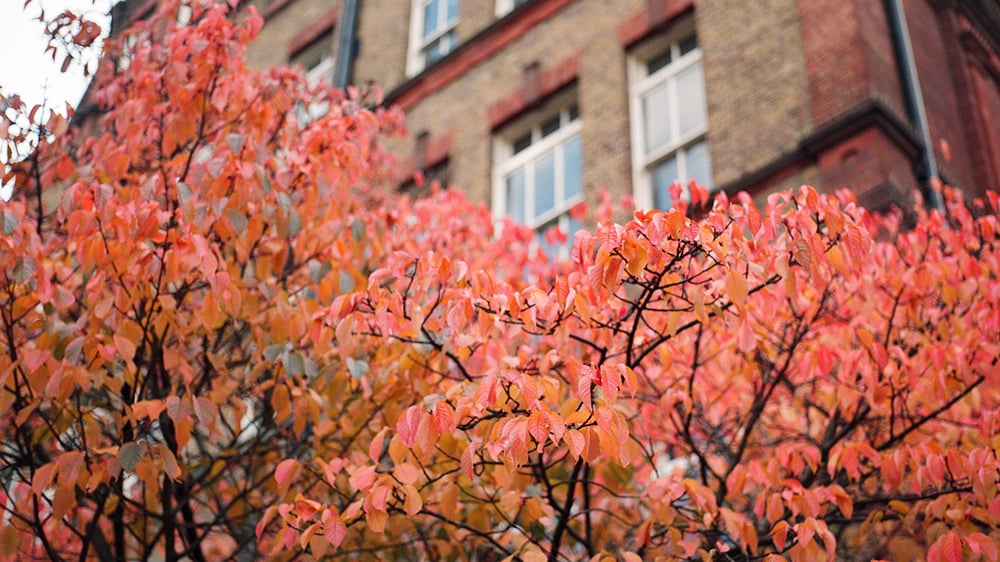
Soils, trees and tree roots
Trees and other vegetation extract moisture from clay soils via their network of roots. Trees near properties can increase shrinkage, create localised dry zones and cause seasonal movement. We assess tree influence before recommending a course of action.
Leaking drains
Deteriorating or broken underground pipework can allow water to seep into the ground. This excess water can wash away granular soil particles (like sand and silt) and erode the sub-surface, or it can cause other soils to expand, resulting in ground movement. In weaker ground, this can even cause sudden settlement and form voids.
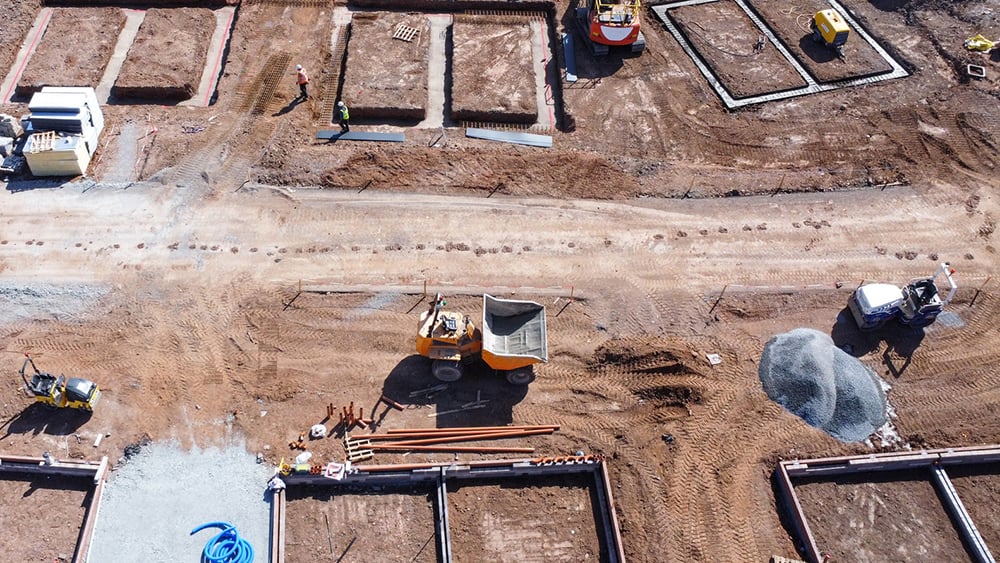
Poor ground conditions
Granular soils, like sand or gravel, can settle or be washed away, particularly if the ground wasn't properly compacted when an extension or the original build was initially constructed. The weight of the building can cause these soils to compress and settle over time. Key issues are shallow foundations, building over made ground and the presence of historic voids.

Clay Soil Shrinkage
This is the single biggest cause of subsidence in the UK, especially in the South East. Clay soil shrinks and loses volume when it dries out, causing the ground to sink. Prolonged dry spells or hot summers can make clay soil subsidence much worse.
Tree Roots
Large trees and shrubs are thirsty. Their roots can draw huge amounts of moisture from clay soil, causing it to shrink dramatically. The risk increases with the tree's size and proximity to your home. Poplars, willows, and oaks are known for having extensive root systems, so subsidence tree distance is a key factor.
Leaking Drains and Water Pipes
Slow, steady leaks from broken drains can wash away or soften the soil under your foundations, weakening the ground until it can no longer support the weight of your home. This is a common but often overlooked cause of subsidence.
Poor Ground Conditions
Sometimes, the ground may not have been properly prepared when the house was built, or it could be affected by historical issues like old mining works in the area.
Sloping floors
A noticeable slant in your floors is a clear indicator that the structure is moving.
Diagonal Cracks
These are the classic sign. Look for diagonal cracks in walls, often appearing around doors and windows. They are usually wider at the top than the bottom and are visible both inside and outside.
Sticking Doors and Windows
When a building moves, it can warp the frames around your doors and windows, causing them to stick or not close properly.
Rippling Wallpaper
If you see creasing or tearing in your wallpaper that isn't caused by damp, it could be a sign that the wall behind it is moving.
Gaps Appearing
Look for gaps where your extension meets the main house, or where the skirting boards are coming away from the floor.
Sloping Floors
A noticeable slant in your floors is a clear indicator that the structure is moving.
Worried about the signs?
Find out what's happening beneath your home
The most important first step is to understand the root cause of the problem. Our team can help you make sense of the signs you're seeing. Arrange a no-obligation video consultation, where we can make an initial assessment and clearly explain your options.