Water leaks at Cobbinshaw Reservoir repaired with geopolymer
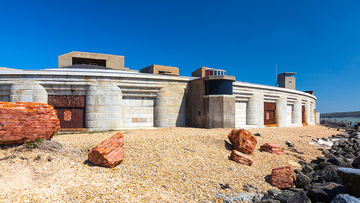
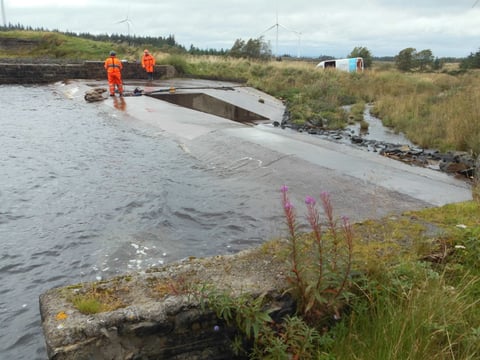
Water leakage at Cobbinshaw Reservoir indicated internal erosion and voiding, posing risks to structural integrity and long‑term operational performance.
- Operational downtime
- Zero
Stop water ingress and stabilise saturated ground with our targeted geopolymer injection solutions.
Uncontrolled water ingress is a serious threat to commercial structures, leading to flooding, asset damage, and destabilised ground. We solve this by creating waterproof barriers within the soil itself, preventing water from reaching your foundations, basements, or retaining walls, without disruptive excavation.
Water will always find the path of least resistance. When the soil adjacent to your structure is highly permeable (like sand or gravel) or contains voids, it creates a direct channel for water, leading to significant structural and operational problems.
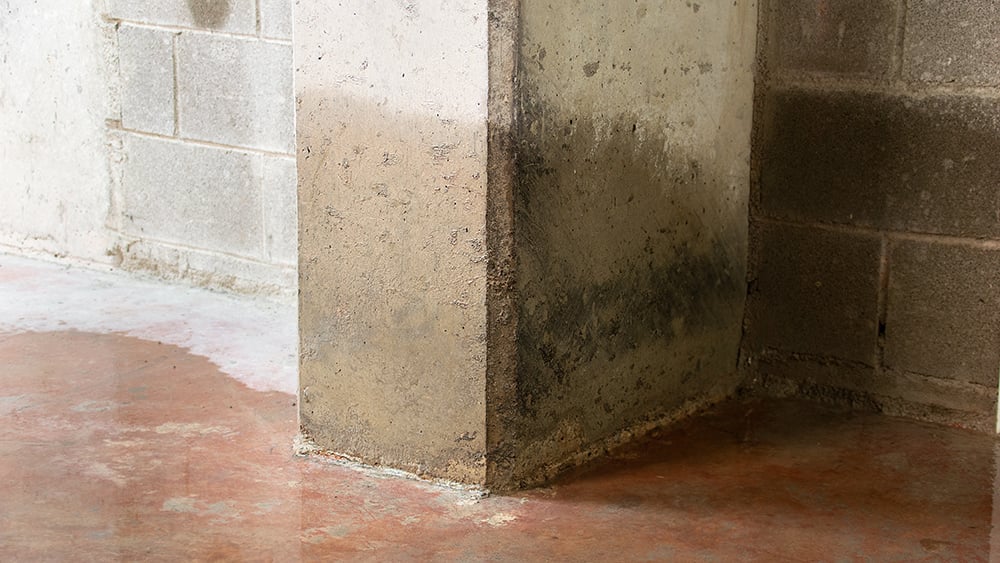
Dampness, mould, or water leaks in basements, lift pits, or tunnels
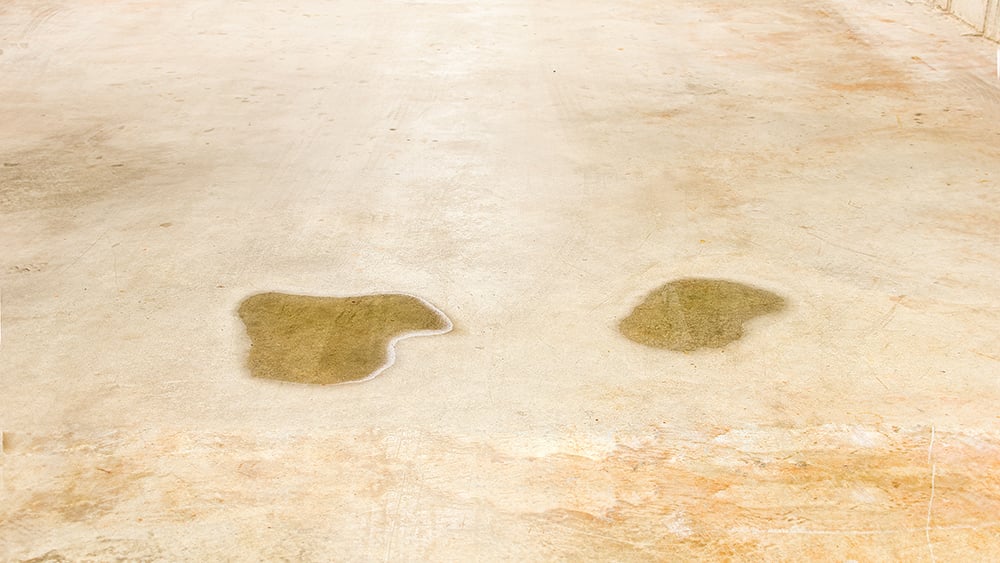
Pooling water on floor slabs or against retaining walls
Visible soil erosion or "washout" near foundations or drains
Ground settlement or voids appearing after heavy rain or flooding
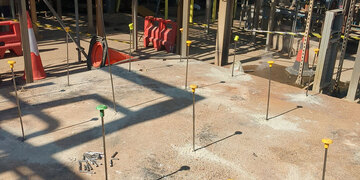
Water leaking through piling at construction sites
The weight of saturated ground pushes water through any crack, joint, or porous section of a concrete structure.
Strata of sand, gravel, or poorly compacted fill act as a "superhighway" for groundwater, directing it straight to your structure.
Water exploits weak points like construction joints, pipe penetrations, and minor cracks.
Flowing water carries away fine soil particles, creating voids (see our void filling page) and destabilising the ground, which makes the leak worse.
Our solution
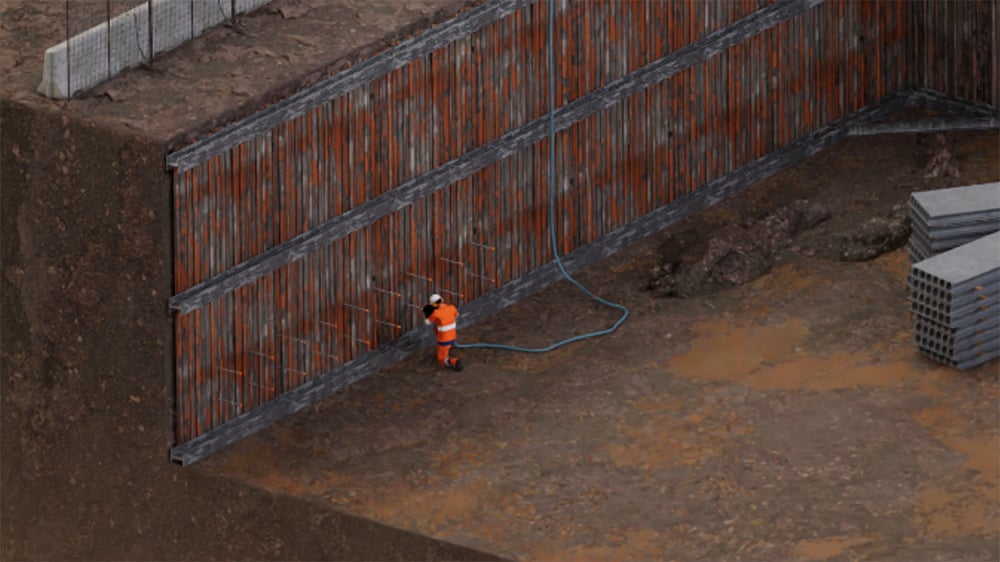
Our treatment is not a temporary patch. We address the problem from the outside, within the soil itself.
Injection: We inject our specialist hydro-insensitive geopolymer resin into the soil directly adjacent to the leaking structure. This is done from the surface or internally, requiring no excavation.
Expansion & permeation: The resin is designed to be injected into saturated ground. It displaces the water and expands, permeating the soil matrix.
Barrier formation: The geopolymer binds the loose soil particles and fills voids, transforming the permeable ground into a solid, waterproof, and permanent barrier. This "curtain wall" stops water from ever reaching your structure, relieving hydrostatic pressure and preventing further soil erosion.

Water leakage at Cobbinshaw Reservoir indicated internal erosion and voiding, posing risks to structural integrity and long‑term operational performance.
Yes. Once cured (which happens very quickly), our materials are inert, non-polluting, and have no-leach properties. They do not release any harmful substances into the ground or water table.
Don't let water ingress damage your structure and destabilise your ground. Contact our engineering team for a site assessment to design a permanent water sealing solution.