VOID FILLING

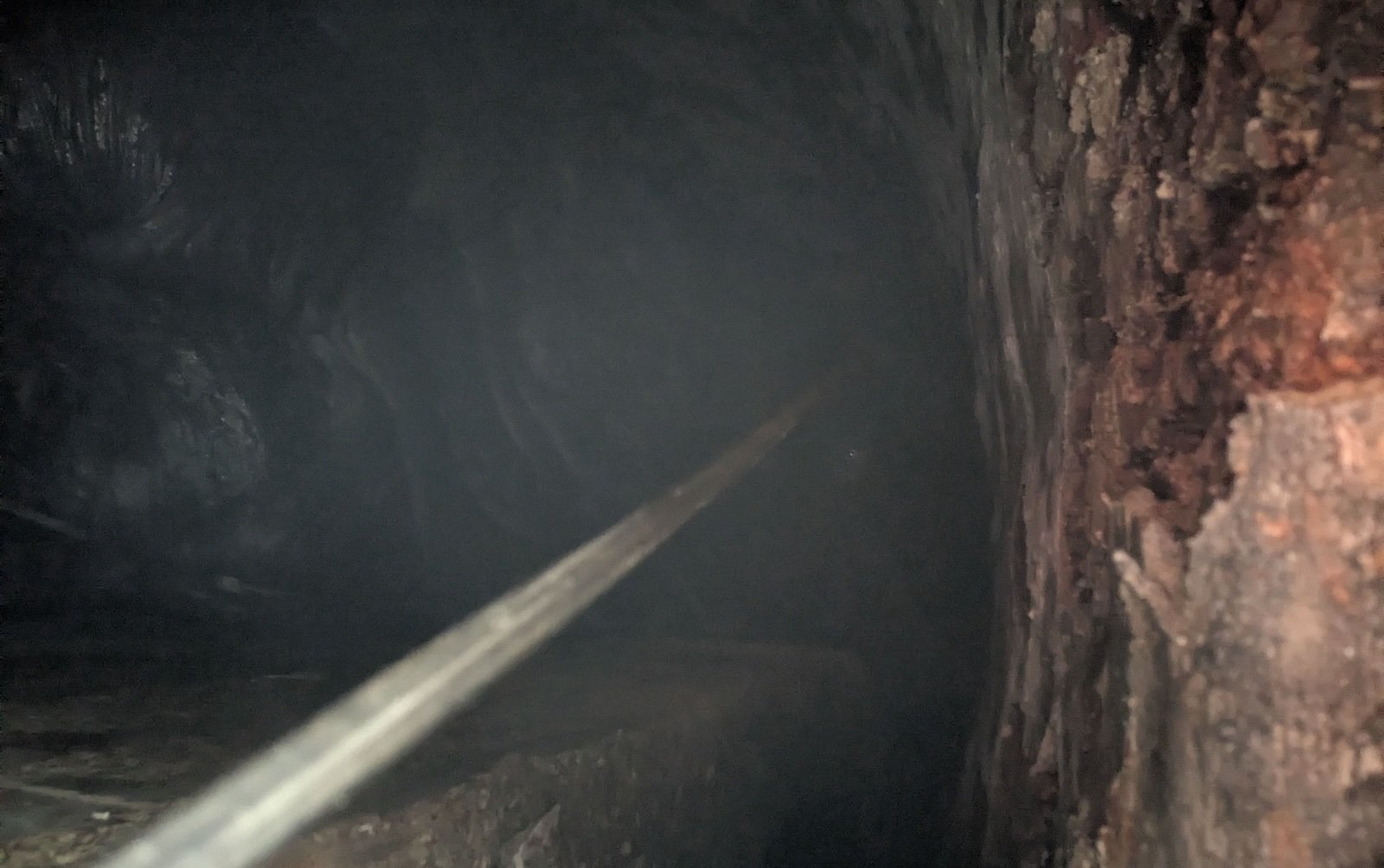
Void filling vaults beneath NHS Walk-in Centre

Challenge

Deteriorated brick vaults beneath pavement level posed a risk of future settlement and water-related degradation. The client needed a rapid, low-noise solution with minimal site footprint.

Solution

Geobear mass-filled selected vaults using lightweight geopolymer through small access holes and temporary shuttering, completing works in two days with minimal disruption and controlled placement.

56 m³

Vault void volume filled.

2 days

Site delivery programme.

5 vaults

Selective fills to engineer scope.

Background

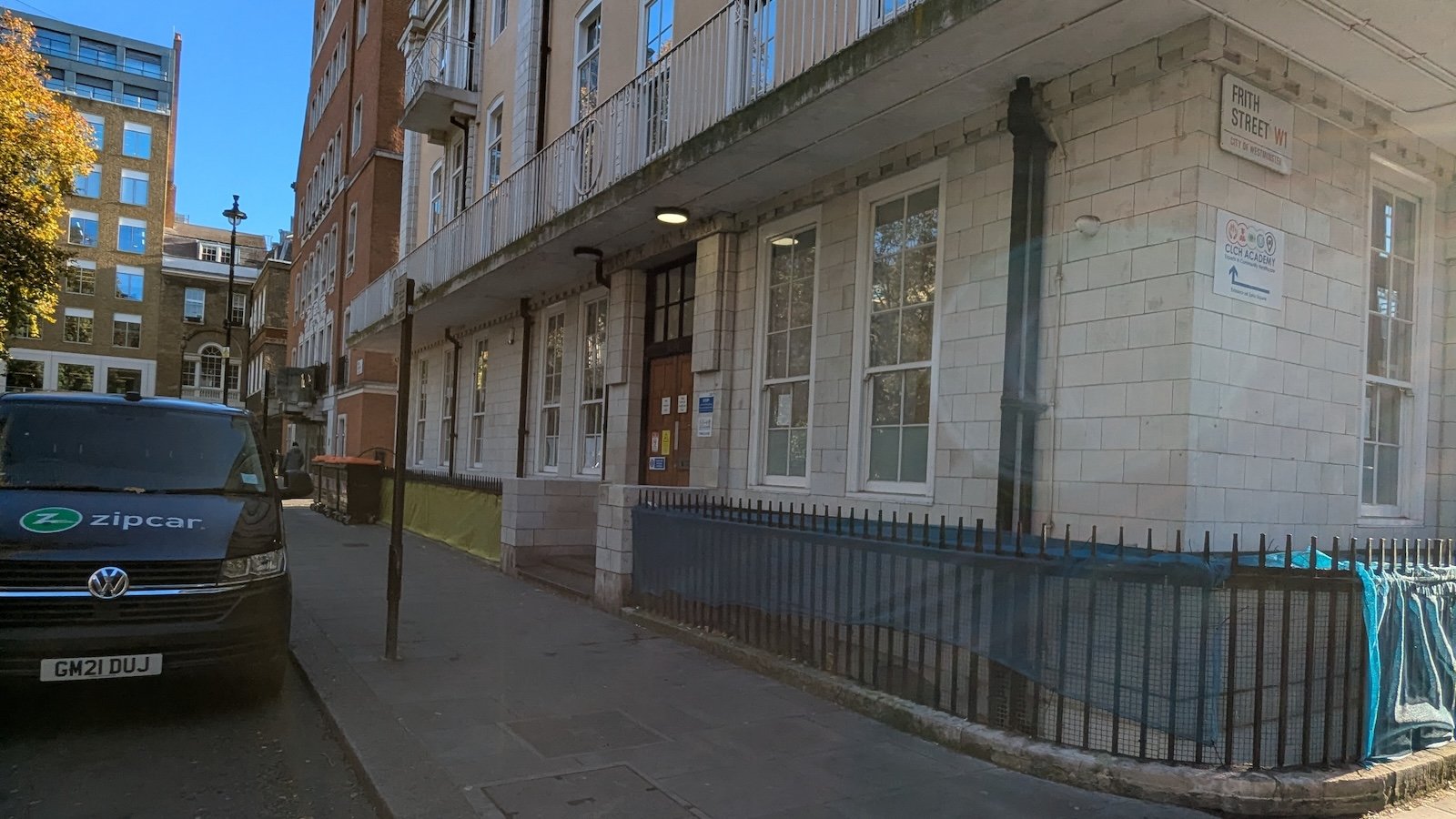
A series of historic arched vaults (former coal vaults) were located beneath the pavement around the perimeter of an NHS primary care facility. Over time, water ingress and damp conditions accelerated deterioration of brickwork within several vaults, increasing the likelihood of future settlement of the pavement/adjacent ground and further degradation of the structure.

A structural engineer initially proposed mass filling using foam concrete. Geobear was engaged by the contractor to provide an alternative void filling approach that could be delivered quickly within tight urban constraints.

Challenge


Vault access


The works were constrained by a central London setting with restricted access, limited space within the vault corridor (typically under ~1 m wide), and strict requirements to maintain pedestrian access. Noise needed to be kept low and the site footprint had to be minimal, with limited parking/permit availability.

Not all vaults required treatment. The structural engineer identified a subset as sufficiently deteriorated to justify full infill, while at least one large vault was excluded due to planned future reuse, requiring a flexible on-site approach and rapid scope adjustment.


Solutions

Geobear designed a mass void filling approach using a lightweight geopolymer to establish contact within the vault geometry and provide a continuous filled mass to the crown of the arch, helping reduce void-related settlement risk and limiting further moisture-driven deterioration.

Temporary shuttering/formwork was installed by the contractor at vault openings and propped back to provide safe containment. Geobear then introduced geopolymer through small access holes, enabling controlled placement in confined spaces without the need for large concrete pumping equipment.

Five vaults were filled in total. Recorded vault volumes were approximately 16.8 m³, 16.8 m³, 8.4 m³, and 10.9 m³, with a further vault excluded (approx. 20.75 m³) due to late scope change. Total filled volume was approximately 56 m³, achieved using approximately 2 tonnes of geopolymer. The material was described on the project as offering typical confined bearing performance on the order of ~100 kPa (and ~50 kPa unconfined), with the additional practical benefit that it can be excavated in future if required.
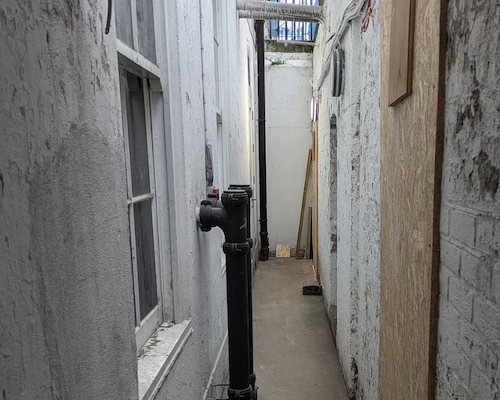
Geopolymer injection


Results

The vaults were successfully mass-filled within a two-day programme, using a small site footprint and low-noise operations suited to a busy urban environment. The works followed the structural engineer’s selective scope, with on-site flexibility to omit a vault earmarked for future reuse.

Based on the project team’s comparison against a foam concrete infill alternative (requiring substantially greater material mass for the same void volume), the geopolymer approach was estimated to deliver ~80% lower CO₂ for the infill activity, primarily due to the lower material quantity required to fill the same volume.

Discuss your project with an expert

Don't let unstable ground put your business at risk. Our commercial team can provide a clear assessment and a fast, effective solution tailored to your operational needs.

Bear pointing Bear pointing