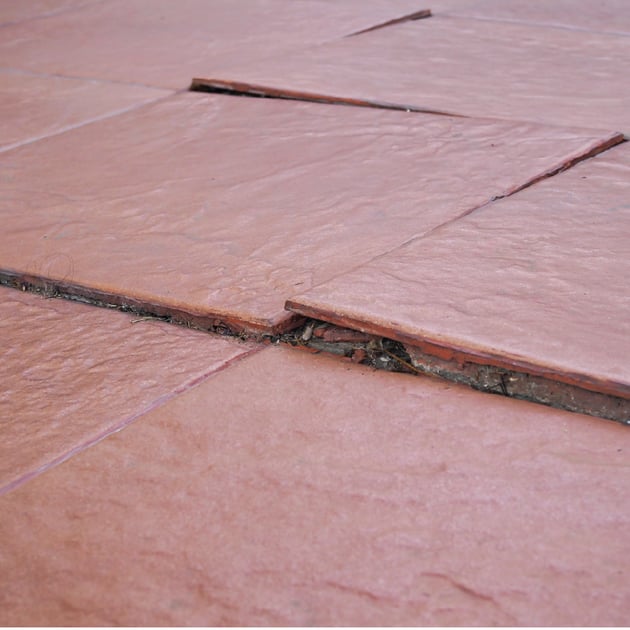
A home inspection report lands in your inbox, and two words stop everything: foundation settlement. The buyer's agent calls. The lender puts a hold on underwriting. Suddenly the closing timeline you had mapped out starts to bend out of shape. This is the moment many sellers aren't prepared for, and it's often the moment that costs them the most money.
Foundation problems don't just scare buyers. They create mandatory disclosure obligations, trigger lender underwriting conditions, and hand buyers a negotiating position they'll use aggressively. Understanding foundation problems resale impact up front helps you decide whether to repair before listing, price down, or structure a seller credit. Some Southern California homeowners have resolved exactly this scenario by completing fast, warrantied ground stabilization treatments before listing. Geobear US completes most residential jobs in one to two days, according to the company, so sellers can arrive at the table with documentation and a 10-year transferable warranty rather than an open question hanging over the transaction.
Whether you repair before listing, sell as-is, or structure a seller credit, the decision needs to be grounded in real numbers. This article gives you a clear framework and the figures that support it.
How foundation problems eat into your asking price
Sellers often hope buyers won't notice, or that a modest price reduction will smooth things over. The data tells a different story. Documented, unresolved foundation damage reduces a home's resale value by 10% to 20% in most U.S. markets. In severe or visibly active cases, some appraisers and real estate professionals report reductions reaching 25%. This aligns with industry analyses of how foundation problems can affect the value of your home.
The 10% to 20% value hit most sellers don't anticipate
Put those percentages into Southern California dollar terms. On a $500,000 home, a 10% reduction is $50,000 walking out the door. At 20%, that's $100,000. At 25%, you're looking at $125,000 in lost value on a single asset. This isn't only a negotiation tactic buyers run on you. Appraisers factor documented foundation deficiencies into their valuations independently of anything a buyer says or does, per standard appraisal practice, structural deficiencies are reflected in comparable adjustments, which means the price reduction is baked in regardless of how charming the staging is.
Why buyers treat foundation concerns as a negotiating weapon
Even buyers who genuinely want your home will use a foundation finding to push for price reductions, seller credits, or repair contingencies. In practice, buyers routinely demand 20% to 25% below market value once foundation issues are confirmed in writing, a figure consistent with industry estimates on the resale impact of structural defects. The inspection report travels: the buyer shares it with their agent, their lender, and sometimes their attorney. That documented finding takes on a life of its own inside the transaction. Beyond price pressure, unresolved foundation problems often reduce interest from typical owner-occupant buyers and attract investors and flippers who expect steep discounts as standard practice.
What buyers and home inspectors actually look for
Most sellers don't know what triggers a foundation concern during the inspection phase. Knowing what inspectors document helps you anticipate problems before listing and decide what's worth addressing before you invite strangers into your home with a clipboard. For a practical homeowner primer on what inspectors check and why, consult this complete guide to foundation inspections.
Structural red flags that stop offers cold
Licensed inspectors document specific physical signs: diagonal cracks extending from window and door corners, stair-step cracking in brick or concrete block that follows mortar joints, floors that slope or feel uneven underfoot, gaps between wall framing and the ceiling or roofline, and doors or windows that stick or won't latch properly. A single hairline crack rarely ends a deal. A pattern of these symptoms across multiple areas of the home signals active, ongoing movement to any trained inspector, and that's exactly what gets written into the report.
Signs that shift repair costs onto the seller's side of the table
Once an inspection report contains the words "foundation settlement," "differential movement," or "recommend structural engineer evaluation," the seller loses pricing leverage in a concrete and documented way. Inspectors also note whether cracks are wider at the top than the bottom or appear to be growing, because that indicates ongoing movement rather than old, stable settling. Those distinctions matter enormously to buyers, lenders, and appraisers who read the full report rather than just the summary page.
When the lender becomes the problem
Many sellers don't encounter this friction point until they're already in escrow, which is the worst possible time to discover it. The buyer's lender may refuse to fund the purchase if the appraisal or inspection reveals documented foundation issues. This applies across loan types, though the severity varies by program.
How FHA and VA loans handle foundation concerns
Both FHA and VA loans carry strict minimum property requirements that mandate structural soundness. If an appraiser notes foundation instability, settlement evidence, bowing walls, or sagging floors, the loan cannot close until repairs are completed and re-inspected. VA loans are particularly strict: the foundation must be serviceable for the full life of the mortgage. If it cannot be repaired to meet that standard, the home simply does not qualify. Sellers in VA or FHA transactions face a binary choice: repair before closing or lose the buyer entirely. For additional detail on how federal programs treat foundation and basement conditions, see FHA loans appraising the foundation and basement.
What conventional lenders do when appraisers flag structural issues
Conventional loans have more flexibility but still enforce safety and soundness standards. A lender may agree to an escrow holdback arrangement where repair funds are withheld from the seller's proceeds until documented repairs are completed post-closing. This sounds manageable on paper, but it complicates negotiations and gives buyers additional leverage to push for price reductions before agreeing to the holdback structure. It also extends the timeline in ways that can strain an already complex transaction.
Your disclosure obligations before you list
California sellers don't get to decide whether to disclose known foundation problems. The Transfer Disclosure Statement, required under California Civil Code Section 1102, mandates disclosure of all known material defects that affect the property's value or desirability. Foundation cracks, prior settlement, water intrusion, and any engineering reports or contractor bids the seller has seen must be disclosed. The legal obligation is clear, and the consequences of ignoring it are severe.
What California law specifically requires sellers to reveal
The disclosable conditions include active or historical foundation cracking, differential settlement, prior repair history (including contractor name, date, method, and warranty status), soil problems such as settling or slippage, and any structural assessments or engineering reports in the seller's possession. If you received a foundation inspection report or a contractor bid and chose not to move forward with repairs, that information is still disclosable. The obligation is tied to what you know, not what you did with that knowledge.
The real cost of staying silent about known defects
Non-disclosure of a known material defect in California can result in rescission of the sale, monetary damages, and lasting legal liability. Buyers who discover undisclosed foundation problems after closing often pursue legal remedies and can prevail in suits for nondisclosure; available remedies include rescission and monetary damages. Sellers who disclose and repair are in a fundamentally stronger legal and negotiating position than those who stay silent and hope for the best. Silence isn't a strategy here. It's a liability.
Repair before listing vs. selling as-is: the financial case
This is the decision most sellers are actually trying to make, and the numbers are clear enough to support a confident call in most situations.
Foundation problems resale ROI: the math on pre-sale treatment
Industry estimates suggest that for every $1 spent on pre-sale foundation repair, sellers can recover $6 to $8 in preserved resale value. A $10,000 repair on a home that would otherwise lose $40,000 in resale value is not a cost. It's a $30,000 net gain. Repaired foundations with transferable warranties also expand the buyer pool back to include conventional, FHA, and VA buyers rather than limiting you to cash investors. Broader buyer pools generate more competitive offers, which means faster sales and fewer concessions across the board.
When selling as-is actually makes strategic sense
As-is sales make financial sense in a limited set of circumstances. If repair costs are extreme (full foundation replacement exceeding $20,000 to $30,000), if the home has multiple major issues beyond the foundation, or if you face an urgent relocation timeline with no capacity for a repair project, pricing down and selling as-is can be the right call. But enter that decision with clear math. Investors and flippers don't offer market value minus repair costs. They offer market value minus repair costs minus their profit margin. The discount is always larger than the repair would have been.
How to present a foundation repair that holds up at closing
A repaired foundation is only as valuable as the documentation behind it. Buyers, lenders, and appraisers don't take a seller's word for anything structural. They need a paper trail: a detailed engineering assessment, a repair completion report, permit records where applicable, and a transferable warranty they can hand to their own lender. When you're evaluating contractors and repair methods, see Choosing a Ground Improvement Contractor for guidance on vetting methods and providers.
What warrantied, documented repairs do for buyer confidence
A professionally repaired foundation with a transferable warranty removes the single biggest objection buyers and their agents raise. It converts a liability into a disclosed, resolved condition. Sellers who can present an engineering report, a completion certificate, and a 10-year transferable warranty at closing negotiate from a position of confidence. The question shifts from "what's wrong with this house?" to "here's exactly what was done and why it's guaranteed." That's a fundamentally different conversation.
Turning the repair into a selling point
Some Southern California homeowners have used fast, non-invasive ground stabilization treatments to resolve flagged settlement issues before listing. Geobear US specializes in exactly this: proprietary ground injection treatments completed in one to two days, without excavation or temporary relocation, backed by a 10-year warranty that transfers to the buyer. The result is a clean repair package with engineering documentation, a before-and-after treatment summary, and a warranty a buyer's lender can review and accept. That's a credible, concrete answer to the question every buyer asks: "Is the foundation problem fixed, and how do I know?"
Making the call before you list
Foundation problems at resale are not a dead end. They require a clear-eyed strategy, not wishful thinking about what buyers will and won't notice. Three paths exist: repair and list at full value with complete documentation, price down and sell as-is to cash buyers with the discounted math worked out in advance, or structure a seller credit and let the buyer manage the repair. California's disclosure laws remove the fourth option, which is silence.
The best position to negotiate from is one where you understand your numbers before anyone else does. Get a structural assessment before listing. Know what a repair would cost, what your as-is price would realistically be, and what your net proceeds look like in each scenario. Sellers who work through that math make better decisions than those who react to whatever the inspection report says after the offer is already on the table.
Weighing foundation problems resale impact before you list puts you in control of the outcome rather than reacting to it. If ground movement is the underlying issue, a consultation with Geobear gives you the engineering picture you need before you commit to a strategy. The company offers a no-obligation video call as a first step, followed by a detailed cost proposal.