A homeowner's guide to soil type and home foundation issues


If you have discovered diagonal cracks in your walls, sticking doors, or a sinking floor, your house is trying to tell you something. But the problem isn't actually your house. The problem is the ground beneath it.

Your concrete foundation is only as stable as the dirt it sits on. In Southern California, the geography ranges from oceanfront cliffs to desert valleys and active seismic zones. The soils here are incredibly dynamic—they move, shrink, expand, and wash away based on the weather and their specific mineral content.

To permanently fix your sinking house, you must first understand the soil that is causing it to fail. Here is everything you need to know about Southern California’s most problematic soils and how to stabilize them.

Understanding Southern California's problematic soils

The environment beneath your property is constantly changing. Below are the five most common unstable soil conditions that wreak havoc on residential foundations in California.

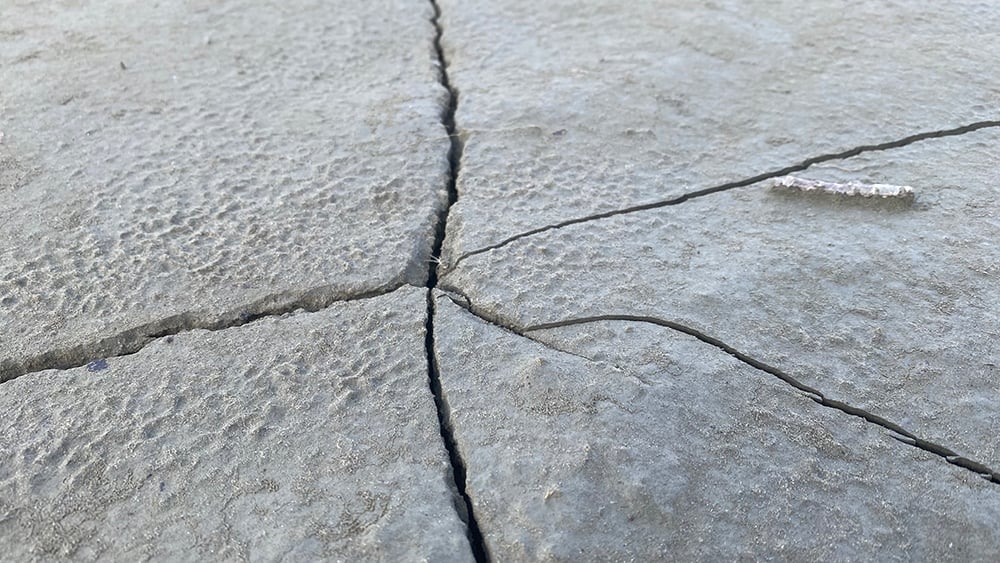
Expansive clay soils Found heavily in Orange County, inland San Diego, and the Inland Empire. Clay acts like a sponge. During the dry season, it bakes, shrinks, and creates deep fissures, pulling support away from the foundation. During the wet season, it absorbs water and expands massively, creating incredible upward pressure (heave). This constant "up and down" motion bends and breaks concrete slabs.
"Cut and fill" soils Common in hillside and canyon developments in LA, Orange County, and San Diego. Developers cut off the top of a hill and pushed the dirt into the valley to create flat lots. If that "fill" dirt was not perfectly compacted decades ago, it slowly compresses over time under the weight of a house. This causes differential settlement, where one side of the house sits firm on rock while the other side sinks into the failing fill.
Sandy soils & liquefaction zones Common in coastal areas (Santa Monica, Long Beach, Huntington Beach). Sandy soils drain well but don't stick together. In an earthquake, water-saturated sandy soils completely lose their stiffness and behave like a liquid (liquefaction). Heavy concrete slabs can simply sink into the liquefied ground.
Peat and organic soils Found in localized coastal pockets, like Huntington Beach. Peat is decaying organic matter. As it decomposes over decades, it physically shrinks and disappears, leaving massive underground voids beneath your slab.
Coastal and canyon erosion Common on San Diego bluffs, Malibu, and steep canyon properties. Water is the enemy. Tidal action pulls sand and soil out from behind coastal seawalls. Inland, heavy rains on steep canyon lots wash the topsoil away down the hill, opening hidden voids beneath patios, pool decks, and home foundations.

How these soils damage your home (the symptoms)

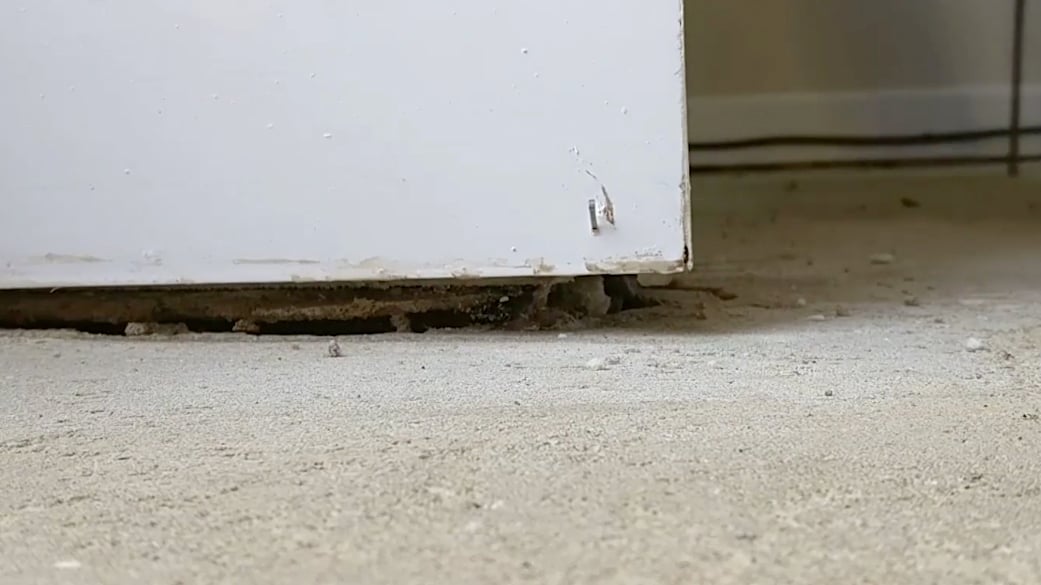
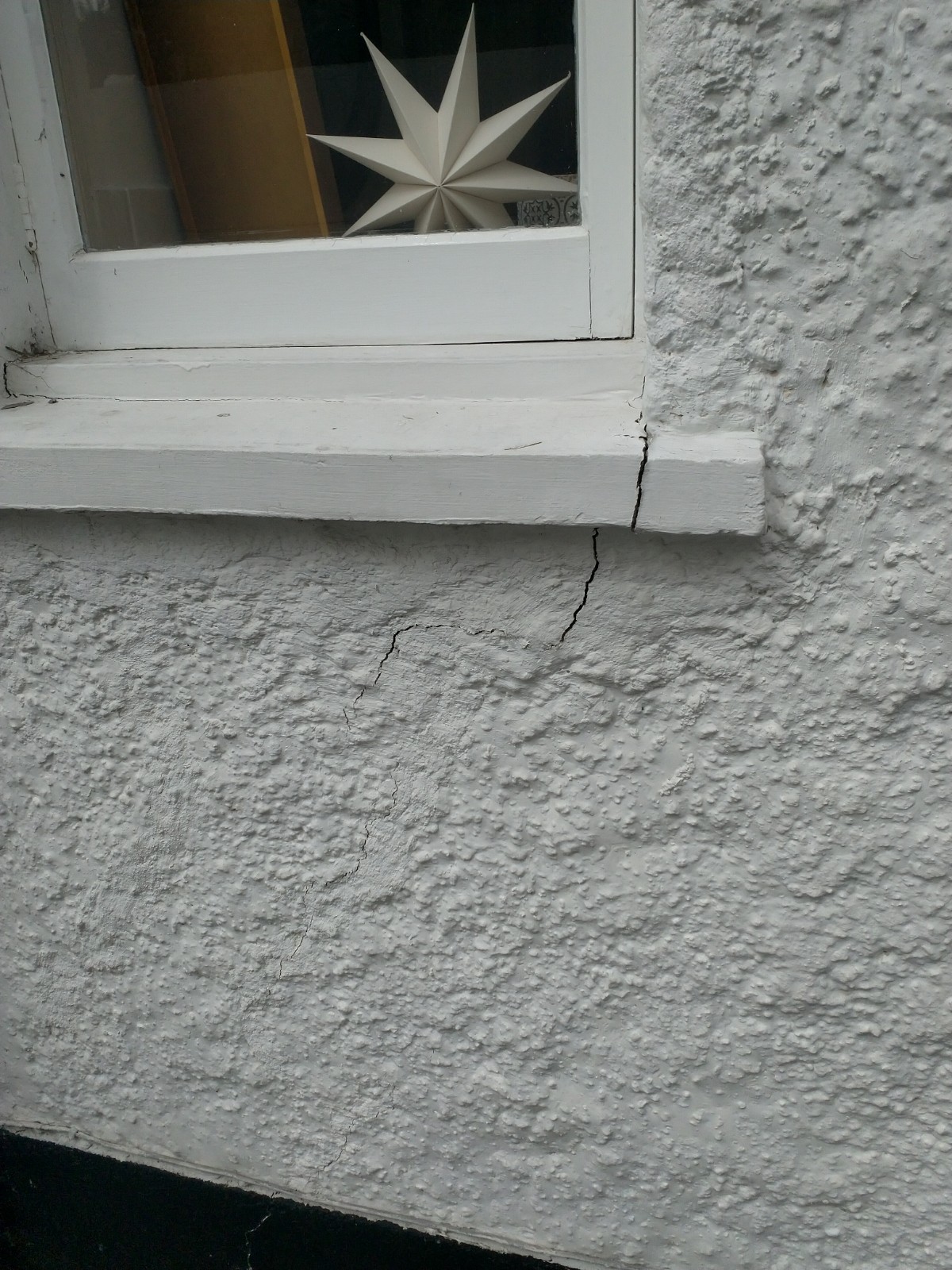
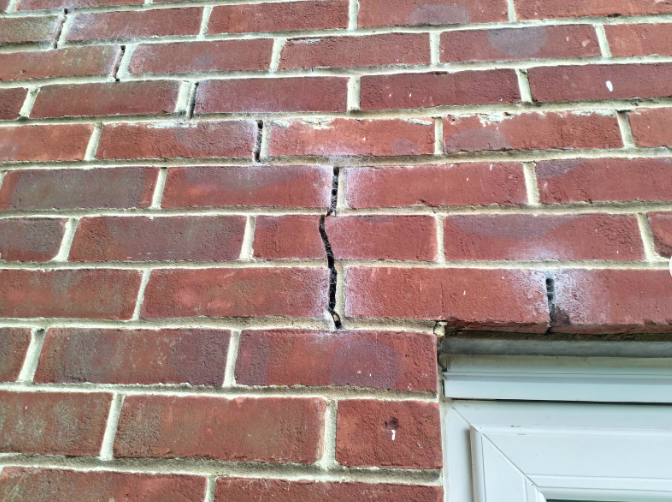
When these unstable soils shift, shrink, or wash away, they leave empty voids in the ground. Because concrete cannot stretch or bend, your heavy foundation inevitably sinks into these unsupported voids. This is why you start to see physical damage inside and outside your home, including:

Why traditional foundation repairs fail in California soils

When a house starts to sink, many homeowners assume the only fix is traditional concrete underpinning—driving heavy steel or concrete piers deep into the ground to prop up the house.

If your home is sinking because the expansive clay soil has shrunk, or because the sandy soil is prone to liquefaction, driving heavy piles into that failing ground doesn't solve the root problem.

In fact, adding heavy concrete (underpinning) or heavy cement slurries (mudjacking) to already weak soil can exacerbate the sinking over time.

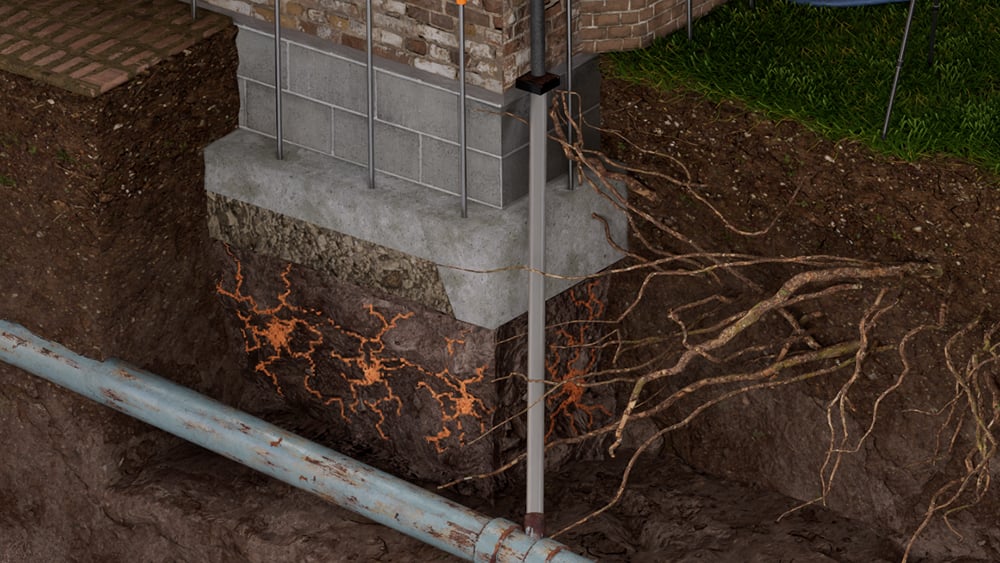
3D model showing Geobear clay shrinkage treatment installed

The Geobear solution: fix the soil, save the home

You cannot fix a foundation without first fixing the soil.

Geobear's geopolymer injection treats the actual cause of the failure. By injecting our expanding resins directly into the ground, we actively change the composition of the earth beneath your home.

For expansive clay: Our resin compacts the soil and restricts water penetration, limiting the violent "shrink-swell" cycle.

For sandy soils: The polymer binds the loose grains together, providing critical liquefaction mitigation for earthquake zones.

For "cut and fill" lots: The expanding geopolymer aggressively seeks out voids and compacts failing fill dirt, restoring load-bearing capacity without the need to destroy your landscaping or excavate your property.

Is your soil affecting your foundation?

Are you noticing signs of foundation problems in your home? Contact us today to get an assessment.


Bear pointing Bear pointing