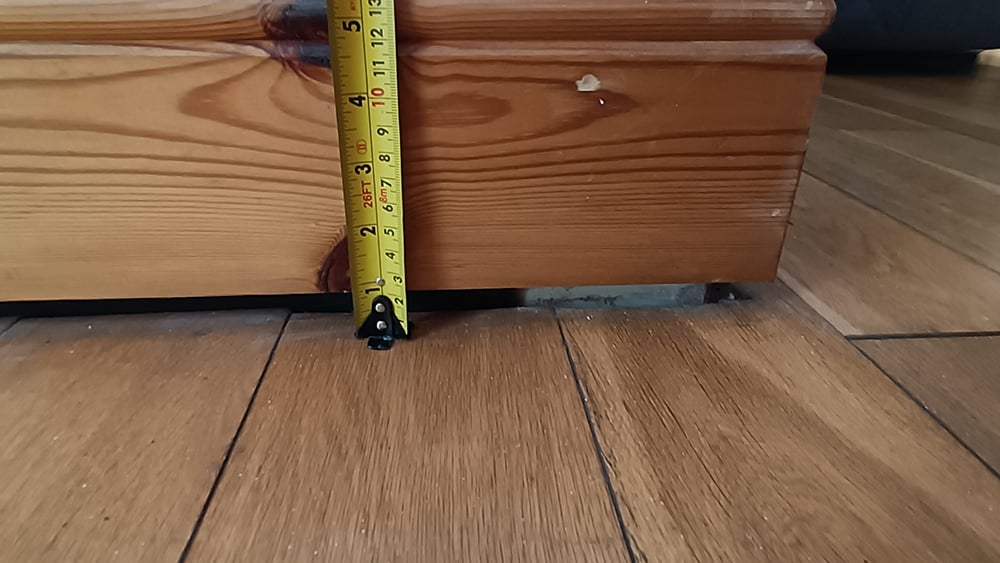
Is your concrete slab sinking?
Concrete doesn't sink on its own — the ground underneath it does. When soil erodes, washes out, or was never compacted properly to begin with, the slab above it loses support and settles unevenly. This shows up as:
A driveway or walkway with a noticeable dip or trip hazard
Pooling water on a patio slab that used to drain properly
A garage floor separating from the door threshold or house foundation
Uneven concrete steps or a sunken pool deck
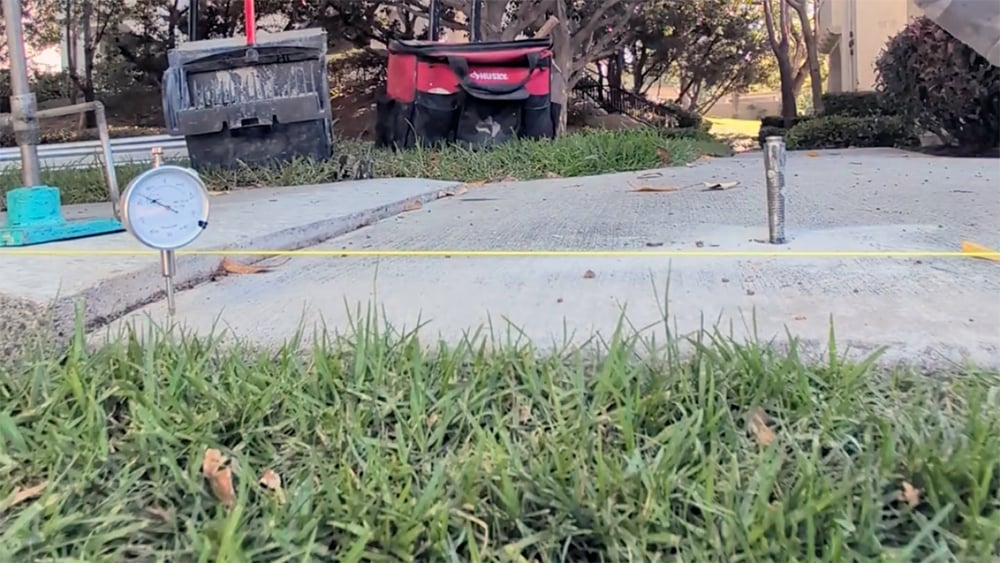
Concrete leveling methods: what are your options?
Not every "concrete leveling" company uses the same method, and the differences matter for how long the fix actually lasts.
Mudjacking (traditional slab jacking)
Mudjacking pumps a heavy slurry of mud, water, and cement underneath the slab to lift it. It's the older, more familiar method — and often the cheaper quote up front.
**The downside:** the mud mixture is extremely heavy (up to 100 lbs per cubic foot). If the soil underneath was too weak to hold the slab up in the first place, adding that much additional weight on top of it frequently causes the slab to sink again within a few years.
Resin /geopolymer injection (the Geobear method)
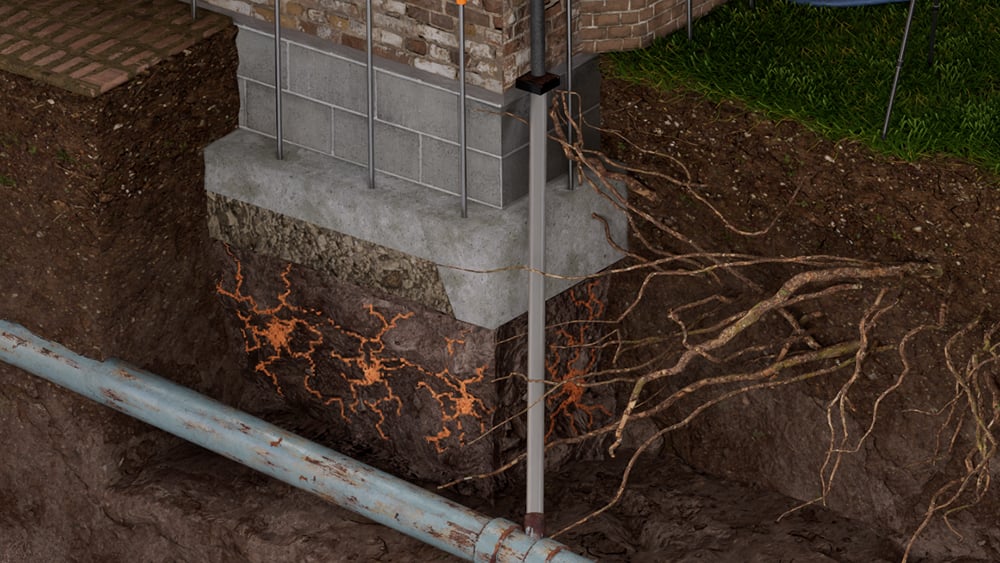
We drill small holes several feet through the slab and inject an engineered geopolymer resin directly into the soil beneath it. The resin quickly expands, filling voids and compacting the loose soil, then lifts the slab back to level as it expands. Multiple levels of injection are often done through the same injection point
**Why it holds up longer:** the material weighs a fraction of traditional mudjacking mud, so it doesn't add the same load back onto already-weak soil — it strengthens the soil instead of just covering the problem.
| Mudjacking | Geobear Geopolymer Injection | |
|---|---|---|
| Hole size | ~2 inches | ~5/8 inch |
| Material weight | Heavy (up to 100 lbs/cubic ft) | Lightweight, expanding geopolymer |
| Cure time | Hours to days | ~15 minutes to 90% strength |
| Long-term stability | Risk of re-sinking on weak soil | Compacts and strengthens the soil itself |
| Disruption | Moderate | Minimal — most jobs done same day |
What can be concrete lifted?
Slab foundations
Garage floors and slabs
Patios and pool decks
Porch and entryway slabs
Warehouse and commercial slabs
Our process
How concrete lifting works
The treatment plan
Assessment
We inspect the affected slab and the surrounding soil conditions to confirm concrete lifting is the right fix — not every sunken slab has the same underlying cause.
Drilling
Site prep and drilling
Our technicians will scan for utilities, mark the drilling points, and drill small, dime-sized holes at the calculated points across the slabs.
Injection
Geopolymer treatment
We insert tubes into the drilled holes, this allows us to inject the geopolymer at the required levels according to the plan. Geopolymer resin is injected through the holes, expanding to fill voids and compact the soil beneath.
Precision control
Lifting and leveling
As the material expands, it lifts the slab back to level. We monitor elevation throughout to get it right.
Job done
Same-day use
The material reaches most of its strength in about 15 minutes — your home slab, driveway, or patio is typically usable the same day.
How much does concrete leveling cost?
Cost depends on the size of the slab, how much it has settled, and the depth of the void beneath it. In general, geopolymer injection costs are comparable to or less than mudjacking once you account for how often mudjacked slabs need to be redone — and significantly less than full slab replacement.Every quote is free and no-obligation, based on an on-site assessment of your specific slab.
FAQ
Frequently asked questions
Supertitle
Ready to fix your sunken concrete?
Contact Geobear today for a free concrete leveling assessment. Serving homeowners across Southern California.