Ever wondered why subsidence occurs? Here's what causes it.
What causes subsidence?
Subsidence is usually caused by changes in the ground beneath a building.
In the UK, the most common cause is shrinkable clay soil reacting to dry weather. But trees, drains, construction quality and climate patterns can all play a role.
Understanding the cause is essential. Repairing the symptom without fixing the underlying issue can lead to recurring movement.
If you’re unsure what subsidence is, start here: What is subsidence?
The most common causes of subsidence in the UK
Subsidence is rarely random. It typically results from one of five factors:
- Clay soil shrinkage
- Trees and root activity
- Leaking drains
- Poor ground conditions or shallow foundations
- Weather extremes and climate change
Let’s look at each in more detail.
Clay soils & shrinkage
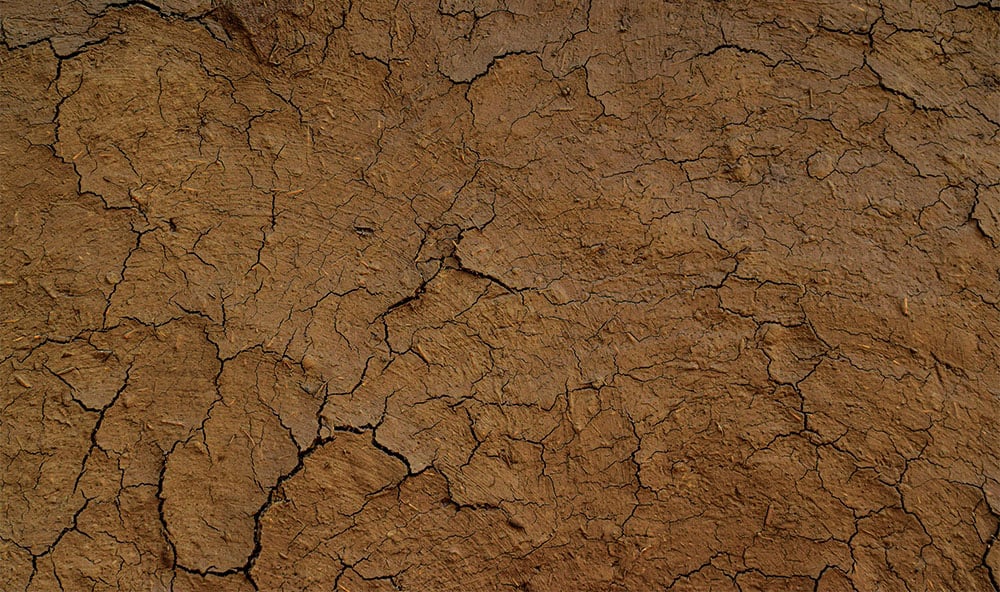
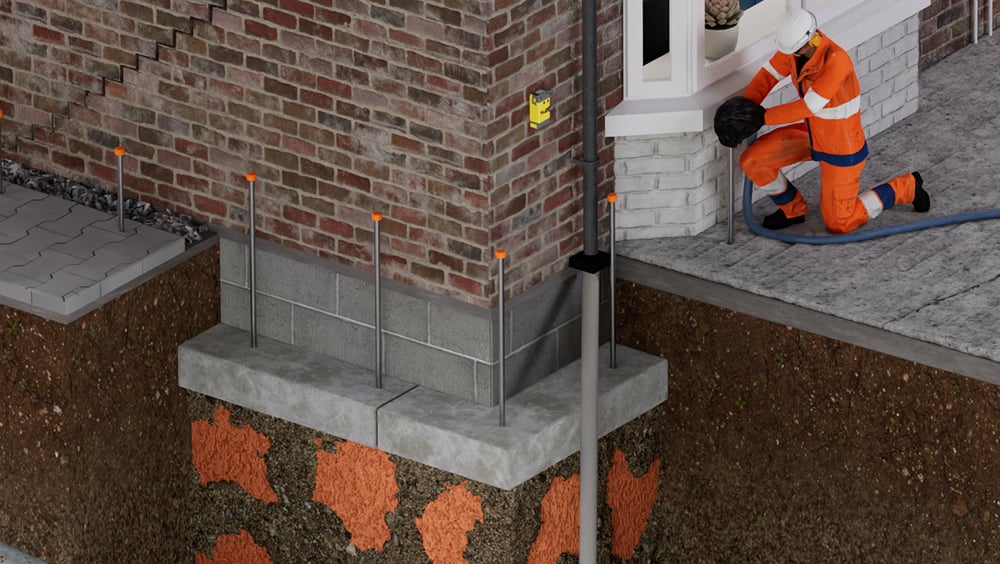
Shrinkable clay is the leading cause of subsidence in the UK.
Clay soil:
- Expands when wet
- Shrinks when dry
- Moves seasonally
During long, dry summers, clay can lose significant moisture. As it shrinks, it pulls away from foundations, causing them to drop unevenly.
This is why subsidence claims often rise after hot summers.
Learn more in: What are the signs of subsidence?
Soils, trees & tree roots
Trees don’t directly “push” foundations down. Instead, they extract moisture from the soil.
Large trees near properties can:
- Increase local soil drying
- Deepen shrinkage zones
- Cause seasonal differential movement
The risk depends on:
- Tree species
- Distance from property
- Soil type
- Foundation depth
Removing a tree without proper assessment can also cause the opposite problem — heave.
Learn more about heave issues here.
Granular soils & washout
Not all subsidence involves clay.
In sandy or granular soils, subsidence can occur when:
- Fine particles are washed away
- Voids develop
- Underground services leak
This type of subsidence can appear more sudden and localised.
Drains, leaks & water ingress
Faulty drains are a common but often overlooked cause.
Leaking drains can:
- Soften clay
- Wash away granular soil
- Create voids beneath foundations
A CCTV drain survey is often part of a subsidence diagnosis.
Fixing drainage issues is usually the first step before structural stabilisation.
Learn more about how we investigate and diagnose subsidence here.
Poor construction & ground defects
Older properties may have:
- Shallow foundations
- Built on made ground
- Historic cellars or backfilled voids
- Inadequate compaction
If foundations don’t extend below the active clay zone, they are more vulnerable to seasonal movement.
Ground defects don’t always cause immediate issues - but environmental change can expose weaknesses decades later.
Weather & climate change

The UK is experiencing:
- Longer dry spells
- More intense rainfall
- Greater seasonal moisture variation
These extremes increase soil movement cycles.
Hot summers shrink clay. Intense rainfall can rapidly rehydrate soil.
This expanding and contracting cycle increases stress on foundations over time.
Does subsidence always have a single cause?
No.
Subsidence often results from a combination of factors, such as:
- Clay soil + large tree
- Shallow foundations + dry summer
- Drain leak + granular soil
Proper diagnosis identifies the primary driver before recommending treatment.
Are some areas more at risk?
Yes.
Subsidence risk is higher in areas with:
- London Clay
- Oxford Clay
- Weald Clay
- Other shrinkable clay deposits
Urban areas with older housing stock and large mature trees may see higher seasonal movement patterns.
Can subsidence be prevented?
In some cases, yes.
Preventative steps may include:
- Managing large trees carefully
- Maintaining drainage systems
- Installing root barriers
- Monitoring soil moisture in high-risk areas
However, prevention must be based on proper assessment.
When should you investigate the cause?
You should consider professional advice if:
- Cracks appear after a dry period
- Cracks widen seasonally
- Tree removal has recently occurred
- Drains have been repaired recently
- Movement appears localised
Understanding the cause early can prevent more disruptive intervention later.
Speak to a subsidence specialist
Subsidence isn’t just about soil — it’s about protecting your home.
We take time to understand:
- The ground
- The structure
- The environment around it
- The least disruptive solution
Because fixing the ground properly means you can get on with life without uncertainty.