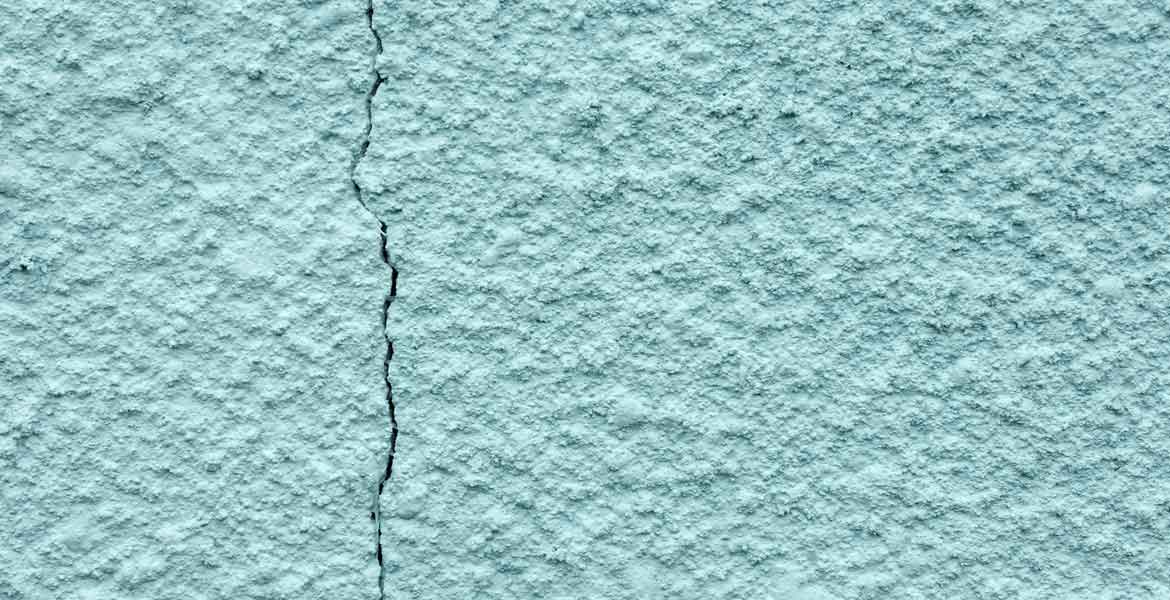
Heave is the phenomenon of the soil beneath a property expanding and pushing the ground upwards, which can cause structural damage to a building. Ground heave is the opposite of subsidence, which is when the ground sinks.
This guide tells you all you need to know about heave.
What causes heave?
Heave is usually the result of clay soils expanding due to an increase in moisture levels.
Clay is what is called an ‘expansive soil’. This means that when it is wet it expands and when it becomes dry it shrinks.
Natural factors

There are various factors that could cause clay soils to become wetter and expand. One common cause is the death or removal of a tree. Tree roots extract lots of water from the soil, so when a tree is no longer there, the moisture levels of the surrounding soil increase and the soil to expand.
Weather is also a major cause of ground heave. When there is lots of wet weather or flooding, clay soils are again likely to swell. Weather fluctuations can also cause changes in the water table level, causing clay subsoils to expand and heave to occur.
Man-made factors
Sometimes, construction work or problems with buildings can cause heave.
For example, the excavation of top layers of soil can cause “stress relief”, where the lower layers of soil expand due to the removal of pressure from above.
Nearby building works could also have en effect on the soil drainage in the area and lead to excess moisture and soil expansion.
Even something as common as a broken drain could leave your building at risk of heave if clay soils become too saturated. However, if sedimentary soils are present, these could be washed away, resulting in subsidence. Therefore, broken drains should be fixed as quickly as possible.
What are the signs of ground heave?
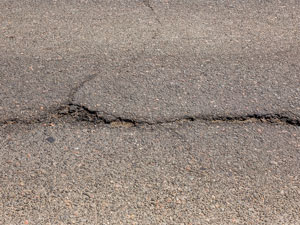
Like subsidence, heave can cause cracks in walls and brickwork. However, cracks caused by ground heave tend to be vertical, while subsidence cracks are usually diagonal. Other signs include sticking doors and windows and the lifting of patios, driveways and paths surrounding the property. If you suspect your property is suffering from heave, then a chartered surveyor or ground engineer can carry out a survey of your building to determine whether this is the case and, if so, what the cause might be. You can find a surveyor near you on the RCIS website.
What is clay soil settlement?
Settlement is the normal downwards movement that takes place as the soil beneath a new property compacts to adjust to the weight of the building. This occurs with clay soil as well. Settlement is normal in new buildings and is nothing to worry about.
However, if diagonal cracks start to form in the wall that are wider than a ten pence piece, then the property may be suffering from subsidence, which is a much more serious problem. Subsidence means that the ground can no longer support the weight of the building above, which can lead to major structural damage. If you suspect your property may be suffering from subsidence, get in touch with Geobear today on 0800 084 3503.