Everything you need to know about subsidence diagnosis
How is subsidence diagnosed?
Subsidence is diagnosed through a combination of visual assessment, monitoring, structural surveys and ground investigation.
The goal is to understand the following things, rather than just confirming ground movement:
- Is movement ongoing?
- What is causing it?
- How severe is it?
- Does it require intervention?
Correct diagnosis prevents unnecessary underpinning and avoids costly mistakes.
If you’re unsure what subsidence is, start with: What is subsidence?
The four stages of subsidence diagnosis
Subsidence investigation usually follows four stages:
- Initial assessment
- Structural survey
- Drain survey
- Site investigation
Depending on the risk and severity of every individual case, not every property will need all four stages of subsidence diagnosis.

1. Initial video inspection or remote assessment
In many cases, the first step is usually quite simple.
You can:
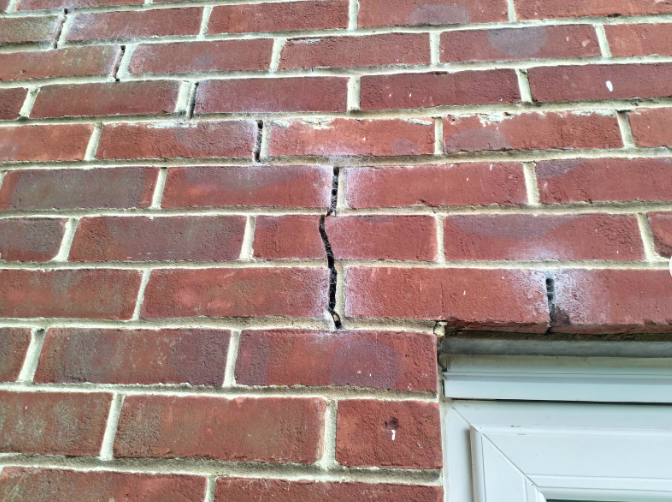
- Photograph cracks with a ruler for scale
- Record door and window distortion
- Note when cracks appeared
At Geobear, we can review photos or conduct a live video call to assess whether further investigation is necessary.
This avoids unnecessary surveys when cracks are clearly cosmetic or historic.
2. Structural surveys
If movement appears to be structural, a qualified and trained structural engineer will assess the following things:
- Crack pattern and direction
- Crack width
- Location of damage
- Load paths
- Signs of differential movement
Monitoring may be installed to track crack width over 6-12 months, depending on the severity of the case. This type of monitoring will determine whether the movement is historic or currently active.
When is monitoring required?
Monitoring is often used when:
- Cracks are moderate but not severe
- Movement may be seasonal
- Insurance is involved
- The cause is unclear
It’s important to note that, if cracks widen during dry periods and partially close in winter, clay shrinkage may be involved. This has the potential to cause active ground movement.
Learn more here: What causes subsidence?
3. Drain surveys
Leaking drains are a common cause of localised subsidence. This is because they cause soil shrinkage and swelling as the weather conditions change. It’s this ground movement that causes subsidence. This is often why a drain survey is carried out. A CCTV drain survey can identify:
- Cracked pipework
- Collapsed sections
- Joint displacement
- Soil washout
If drainage defects are found, repairs are usually completed before structural intervention is considered. To enable long-lasting and effective results, we, here at Geobear, will always rectify the underlying cause as a first priority.
4. Site investigation: soil testing and trial pits
Site investigation is the most detailed stage of diagnosis.
This may include:
- Trial pits to expose foundations
- Soil sampling
- Moisture testing
- Depth measurement of footings
A site investigation confirms:
- Soil type (clay, granular, made ground)
- Foundation depth
- Presence of voids
- Ground bearing capacity
Find out more about our subsidence site investigations
Why clay soil testing matters in the UK
The UK has extensive shrinkable clay.
Clay soil:
- Expands when wet
- Shrinks when dry
- Moves seasonally
Testing confirms whether clay shrinkage is the likely cause.
Subsidence diagnosis from Geobear
How long does a subsidence diagnosis take?
Timeframes will differ depending on the size of the property and the complexity of the issue. With this in mind, here’s what you can expect:
- Remote assessment: immediate
- Structural survey: 1–2 weeks
- Monitoring: 6–12 months
- Site investigation: 1–2 days
Insurance-led cases often take longer due to monitoring requirements.
Does subsidence always need long-term monitoring?
No.
Monitoring is sometimes precautionary.
If the cause is clearly identified — such as a failed drain or a known clay shrinkage pattern — intervention can be faster.
Each case should be assessed individually.
Who diagnoses subsidence?
Diagnosis may involve:
- Structural engineers
- Geotechnical engineers
- Drainage specialists
- Ground improvement specialists
At Geobear, we combine engineering expertise with ground investigation to identify whether stabilisation is necessary — and if so, the least disruptive solution.
What happens after subsidence is confirmed?
Once diagnosed, the next step depends on:
- Whether movement is ongoing
- The severity of damage
- Insurance involvement
- Soil conditions
Options may include:
- Drain repair
- Tree management
- Monitoring only
- Soil stabilisation
- Traditional underpinning
Learn more here: How to treat subsidence
Speak to a subsidence specialist
We understand that seeing cracks in your home is stressful.
Diagnosis shouldn’t add to that stress.
Our approach is:
- Clear explanation
- No jargon
- Honest advice
- The least disruptive solution
If you’re unsure whether your cracks indicate subsidence, we can help you understand what’s happening — and what to do next.
Get in touch with Geobear today for all of your subsidence needs.