What is Subsidence & What Causes it?
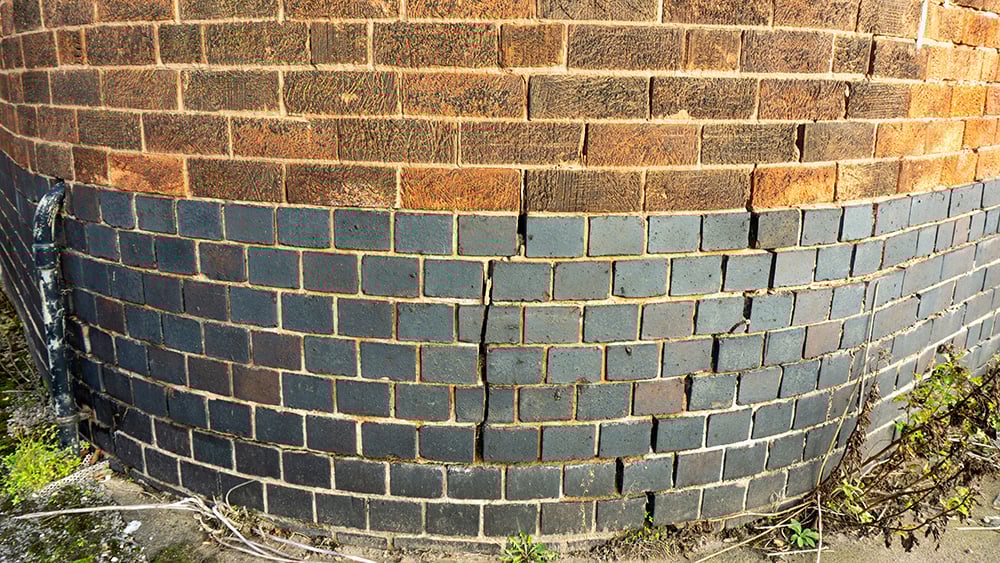
Subsidence refers to the downward movement of the ground that sits beneath building foundations. Often, it causes structural damage as a result of gradual sinking, which pulls the foundations down with it. Subsidence can affect just one property or several across a region, but its causes are vast. More often than not, even in the most severe cases of subsidence, it can cause damage to buildings, roads and also underground utilities. But what are the main causes of subsidence?
Main Causes of Subsidence
- Natural Causes
- Underground rock movement or dissolution, such as limestone, gypsum or salt rock. These rock types can deteriorate when exposed to water, therefore causing voids
- Loose or unconsolidated soil becomes compacted
- The compression of sediments under their own weight over a considerable period of time
- Groundwater level variations
- The removal of groundwater
- Natural contraction and expansion of soil types with changing weather and temperatures
- Earthquakes
- Tree roots can extract moisture from the ground, causing contraction and movement in the soil
- Human (Anthropogenic) Causes
- Mining works
- Coal, mineral or oil extraction can cause underground voids to collapse
- Groundwater extraction
- Underground fluids being pumped out can reduce support and cause land sinking
- Heavy loading
- Heavy construction work
- Building on weak soil
- Pipes and drains that leak
- Excess water as a result of leaking drainpipes or non-porous outdoor surfaces
- The draining of wetlands or peatlands
- The oxidation and compaction of organic soils when drying
Why Does Subsidence Matter?
There are multiple reasons why we should be concerned about the effects of subsidence. From structural damage to the deterioration of infrastructure, here’s why subsidence is an important issue to address:
- Structural damage can occur to buildings, including cracking and tilting
- Eventually, a structure could collapse as a result of consistent sinking
- It can cause the flood risk in some areas to increase, especially if they’re low-lying
- Damage to general infrastructure could occur, including to roads, pipelines and sewage works
- It could result in a loss of wetland elevation, which has a generally negative environmental impact