Noticing symptoms
Are you experiencing cracks or ground settlement symptoms?
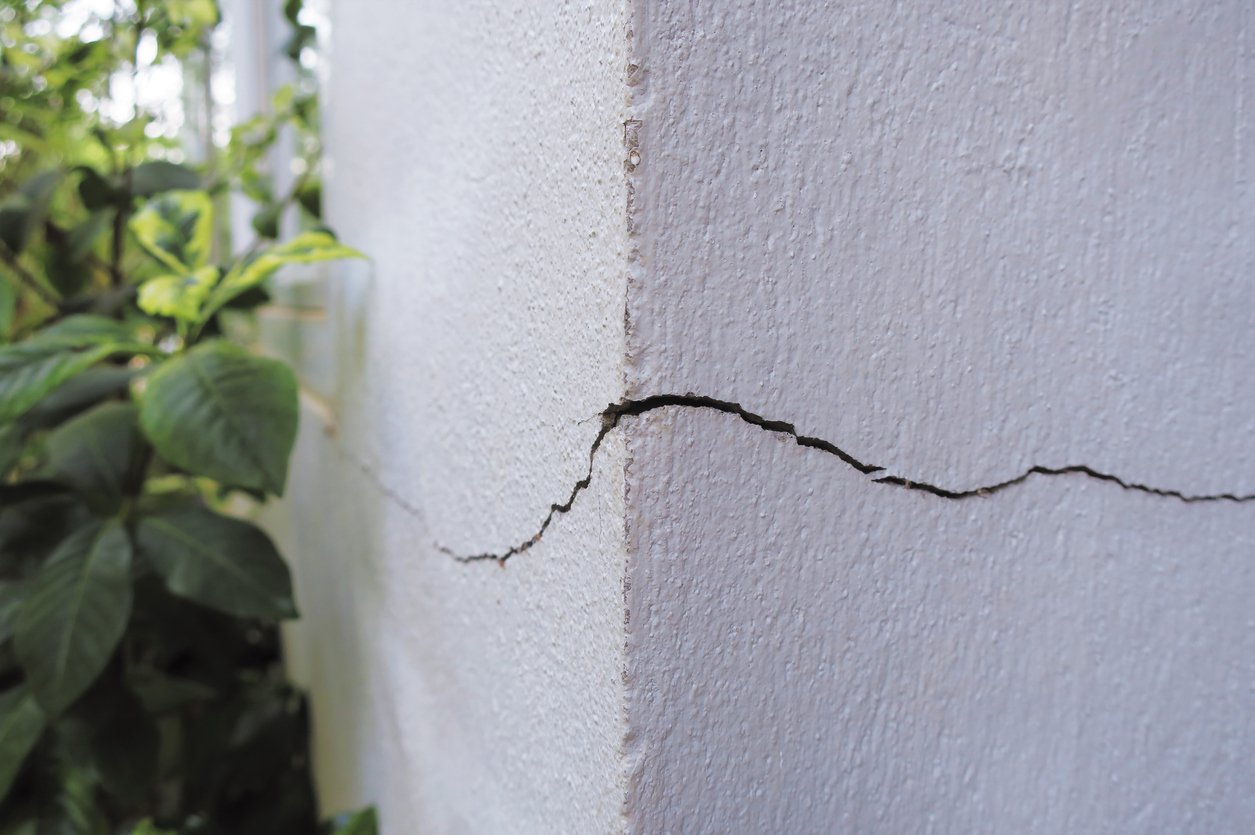
When a home shifts, physical warning signs appear quickly. You notice cracks widening through exterior stucco, a bedroom door that suddenly refuses to close properly, or a kitchen floor that feels distinctly unlevel.
For Southern California homeowners, seasonal weather shifts accelerate clay shrinkage and soil movement, causing foundations to settle unevenly.
Professional foundation inspection
Why a professional foundation inspection matters. Discovering structural symptoms creates stress and uncertainty about your property's safety and long-term market value. However, finding a crack does not mean your property requires weeks of destructive construction or invasive digging.
Resolving structural movement safely and permanently depends entirely on a data-driven foundation inspection.
This guide explains what a professional foundation inspection involves, how Southern California’s unique geology impacts your slab, and how to choose a repair strategy that protects your home's equity.
Get answers with a foundation inspection
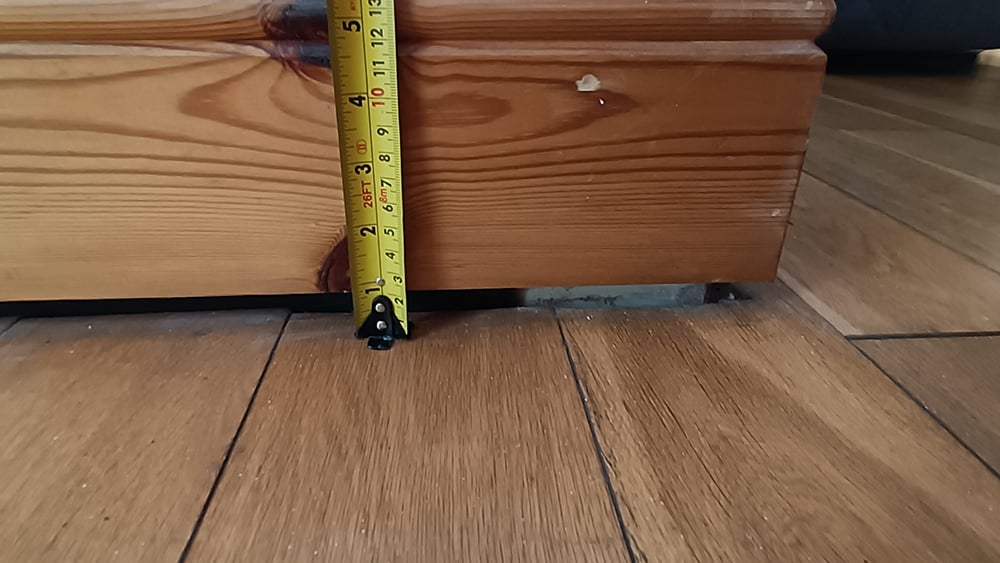
A diagnostic foundation inspection helps eliminate guesswork. It provides an engineering baseline survey of your property to map out exactly where settlement occurs. These precise level measurements allow structural specialists to track any ongoing movement over time.
Establishing an accurate baseline is the single most reliable way to monitor and preserve your home's long-term stability.
What the Geobear foundation inspection includes
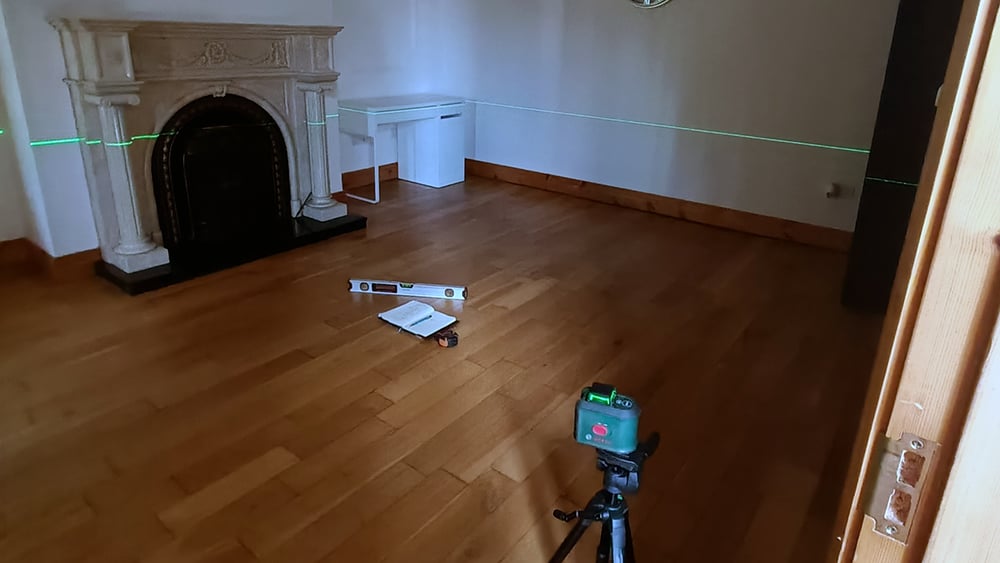
The Geobear solution focuses on the root cause of structural movement—the soil beneath your footprint. Our comprehensive evaluation takes roughly one hour and includes a precise level mapping survey, localized soil consistency checking, hillslope and retaining wall stability reviews, and an assessment of your property's drainage layout.
Our specialists guide you through every stage of the diagnostic evaluation:
Elevation level mapping: Technicians using precision digital laser levels map your home’s current alignment. This establishes a clear baseline for verifying structural stability.
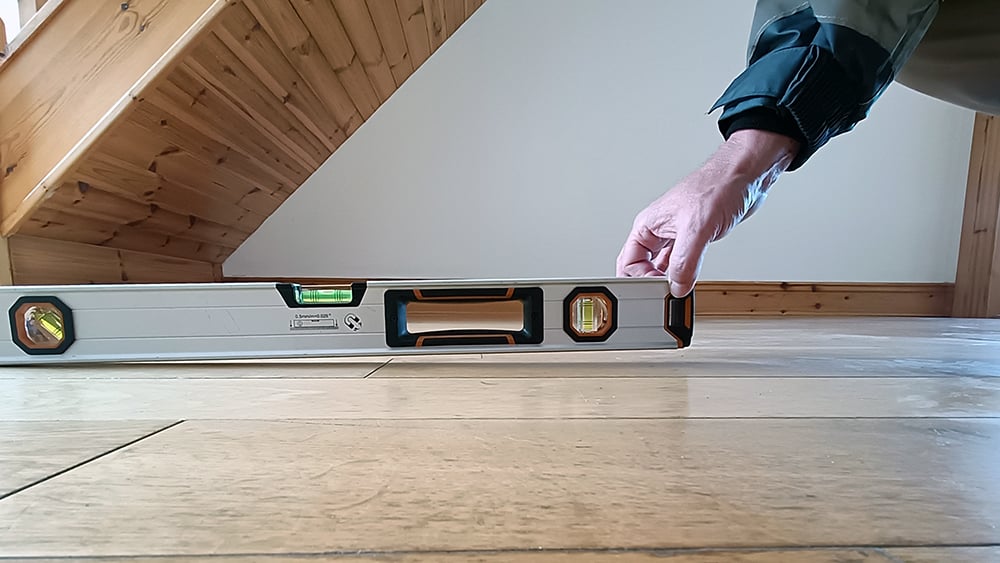
Interior structural evaluation: We inspect your interior walls, moldings, and flooring to isolate signs of foundation settlement, checking specifically for stuck windows or misaligned doors.
Exterior footprint evaluation: We examine exterior stucco, brickwork, and concrete slabs for visible cracking or separation caused by underlying ground settlement.
Drainage and irrigation review: Rainwater runoff and plumbing leaks erode or oversaturate subgrade soils. We evaluate the grading of your lot to ensure surface water flows safely away from your foundation footprint.
Hillslope and retaining wall stability check: For Southern California properties situated on canyons or steep terrain, we inspect hillside slopes and retaining structures for early indicators of lateral soil movement or creep.
Subsurface soil behavior review: We identify whether your home rests on highly expansive clay or loose granular soil, allowing us to customize our engineering recommendations to your exact geological conditions.
Property structural history: We discuss any past repairs, additions, or localized geological events to build a complete diagnostic history of your property.
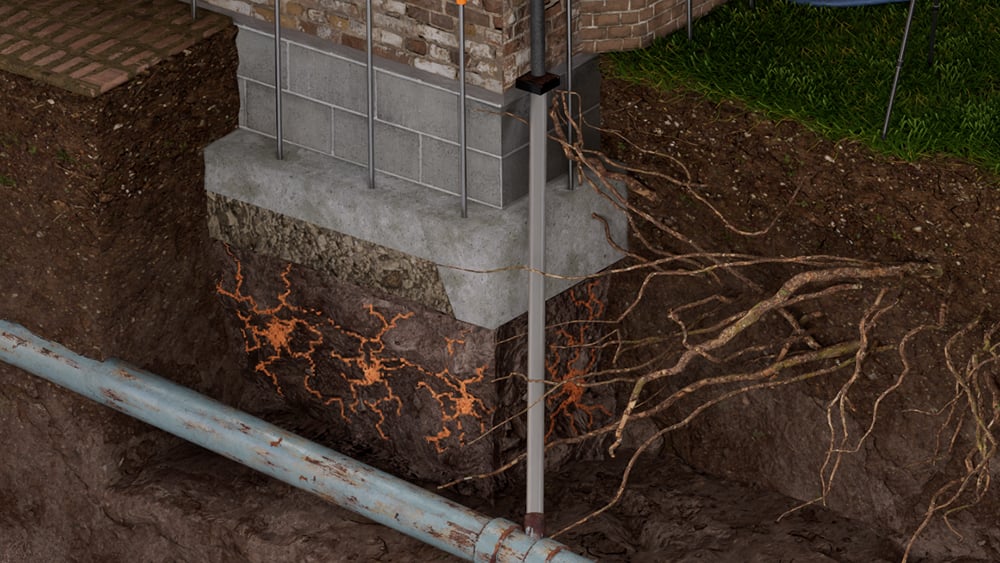
Who to call?
Home inspectors vs. foundation contractors vs. independent engineers
Navigating who to call when you suspect structural movement can be confusing. To protect your investment, it helps to understand the three professional tiers available in California:
General home inspector
Homeowners typically hire a general inspector during real estate escrow to review a property's overall cosmetic and functional health. While they can flag a sticking door or a crack in the stucco, general home inspectors do not possess the specialized structural level-mapping tools required to diagnose subsurface soil failures.
Specialized foundation contractor
A dedicated foundation repair company evaluates settlement symptoms to propose a specific remediation plan. While traditional pile driving or pier companies look for places to mechanical bolt steel columns, Geobear focuses on stabilizing the soil first.
Our initial residential foundation inspections are entirely free, focusing on isolating the root cause of soil movement to deliver a proven, warrantied fix.
Independent geotechnical or structural engineer
For complex geological terrains, hillside slopes, or severe structural distress, homeowners can engage an independent engineering firm. These engineers perform physical borehole testing and analyze soil plasticity indices (shrink-swell rates).
While an independent engineering study typically costs between $3,000 and $5,000 in California, it provides a transparent blueprint that ensures the correct remediation plan is selected.