Emergency Void Filling

Emergency void filling stabilises Ventnor coastal apron for critical access

Challenge

Void formation beneath coastal apron slabs caused by washout, risking structural instability and loss of emergency vehicle access.

Solution

Geobear delivered targeted geopolymer injection to fill voids and stabilise underlying materials with minimal disruption.

Up to 63m³ voids treated

Extensive washout beneath apron slabs

Completed in tidal window

Works delivered within restricted access periods

1–2 day delivery timeframe

Rapid stabilisation for emergency access

Background

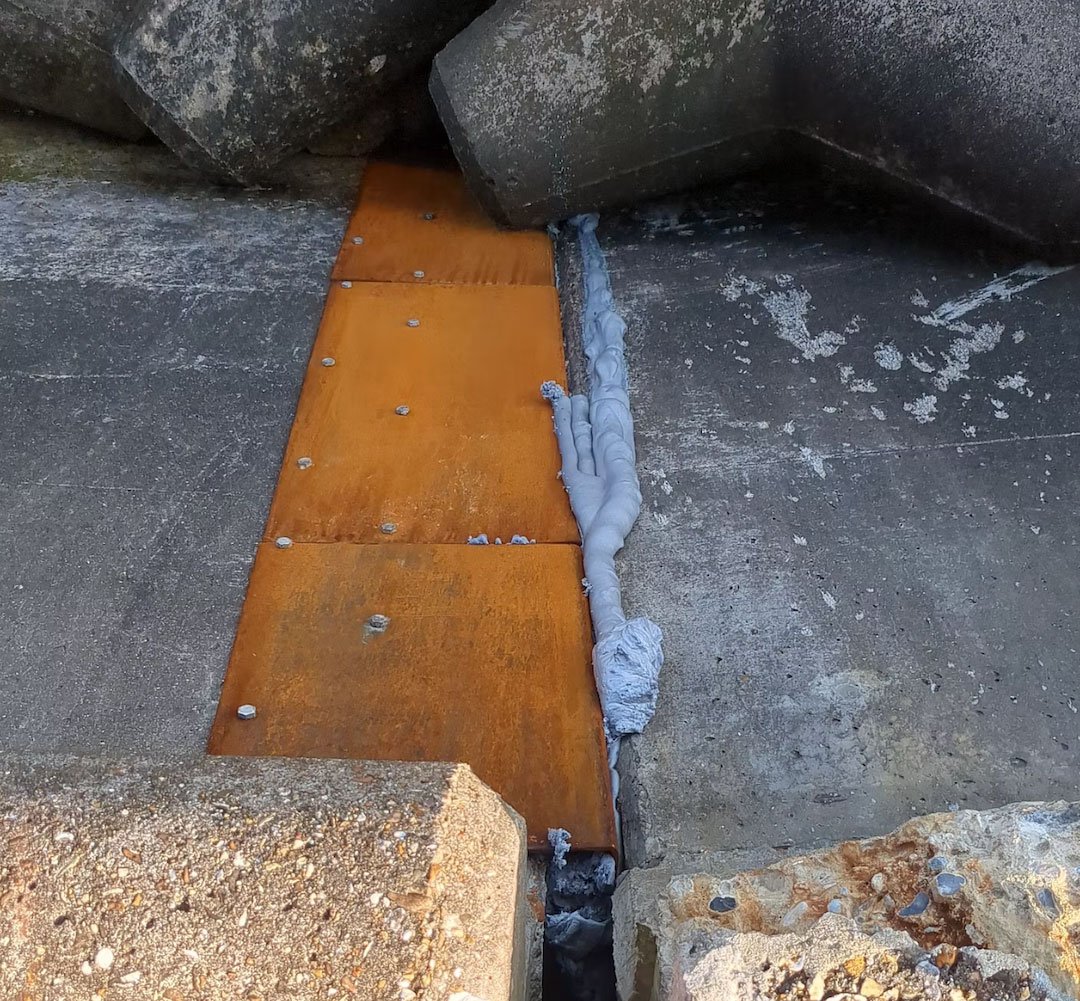
Ventnor Eastern Esplanade on the Isle of Wight experienced significant voiding beneath its coastal defence apron slabs due to ongoing washout of fines and material migration. Investigations identified a combination of shallow voids beneath slabs and deeper voiding within underlying boulder and shingle matrices, compromising structural support.

The area formed part of a critical coastal defence system, with immediate requirements to reinstate the upper apron to support emergency vehicle access (including fire engines) while a longer-term scheme was being developed.

Ground investigation data and surveys confirmed variable made ground, gravel, sand, and weathered sandstone strata, with voids forming both locally and across larger slab extents.
Challenge

ventnor-5


  • Active void formation from coastal washout
    Loss of fines between slab joints and underlying materials created both shallow and deep voids.
  • Critical operational requirement
    The apron needed to be reinstated quickly to maintain safe access for emergency services.
  • Tidal working constraints
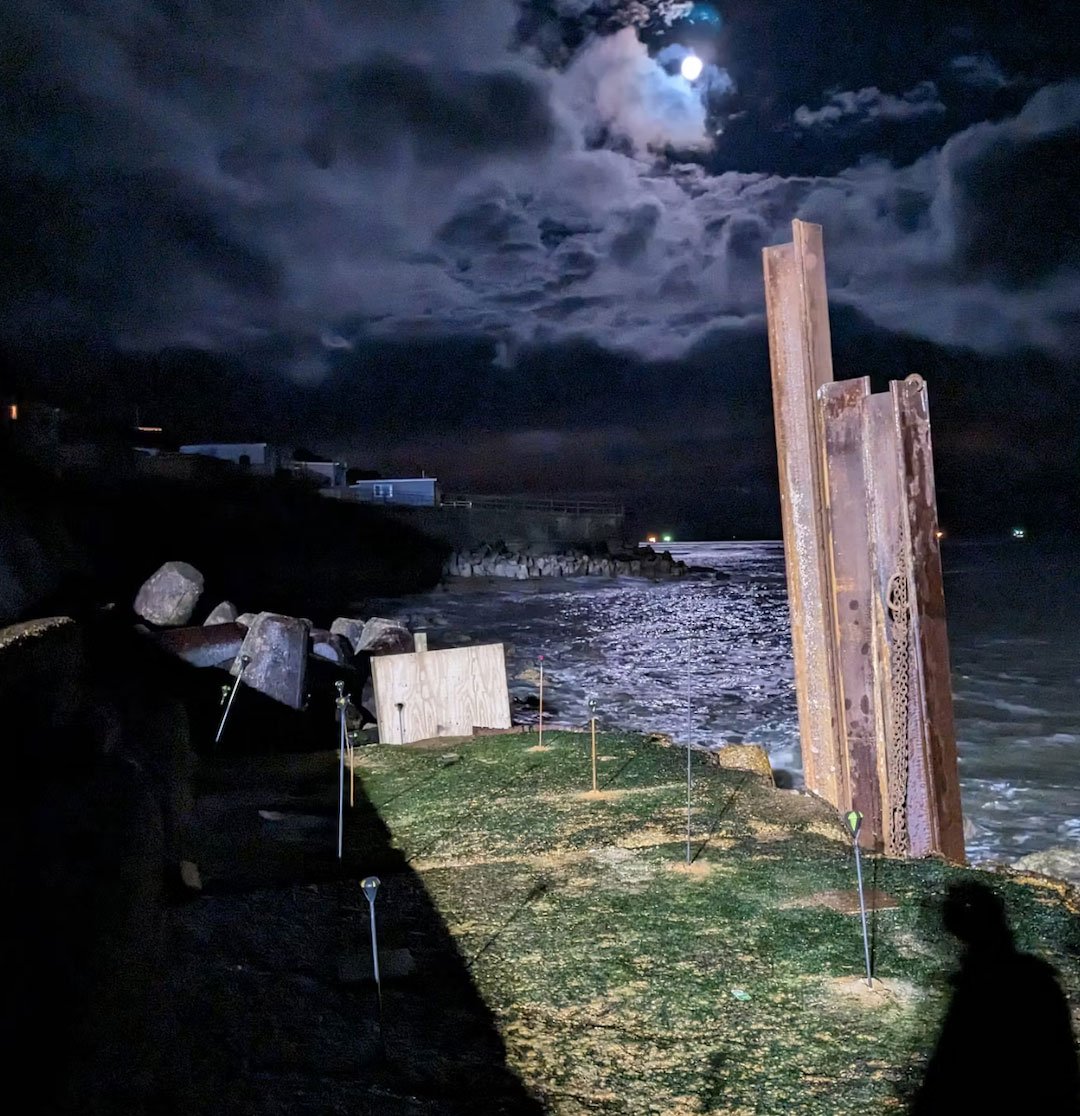
    Construction windows were restricted to short periods around low tide.
  • Uncertainty in void extent
    Surveys (including GPR and coring) indicated variable void sizes and distribution, requiring a flexible solution.
  • Interface with future major works
    Interim stabilisation needed to complement—not compromise—the long-term remediation scheme.

Solutions

Ventnor-3


Traditional approaches such as slab breakout and reconstruction would have required:

  • Significant excavation and material replacement
  • Extended programme durations
  • High cost and logistical complexity
  • Major disruption to coastal operations

Geobear’s geopolymer solution provided a rapid, non-invasive alternative, capable of:

  • Filling voids without removing slabs
  • Operating within tight tidal windows
  • Delivering immediate load-bearing improvement
  • Minimising disruption to the structure and surrounding environment

Geobear implemented a precision geopolymer injection programme targeting voids beneath the apron slabs and within underlying strata.

Methodology

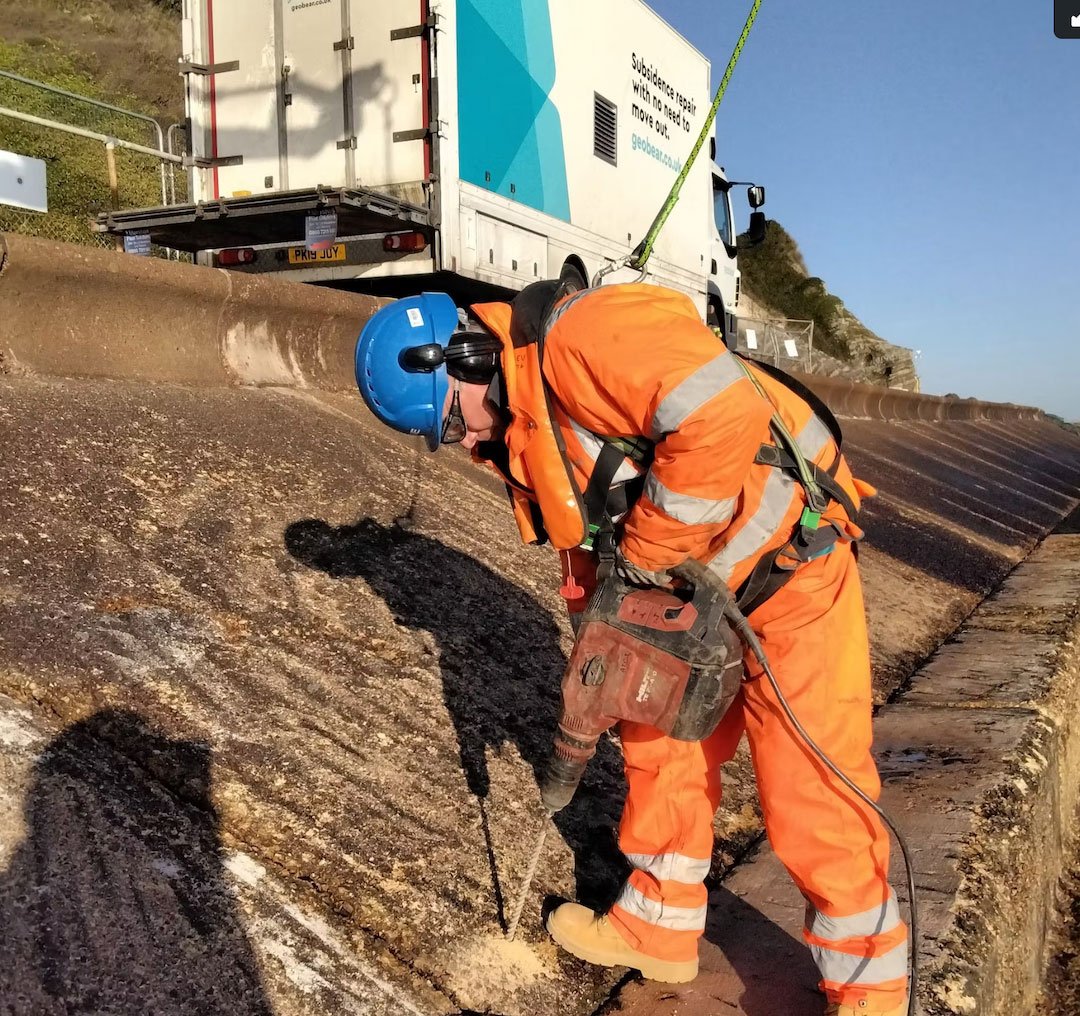
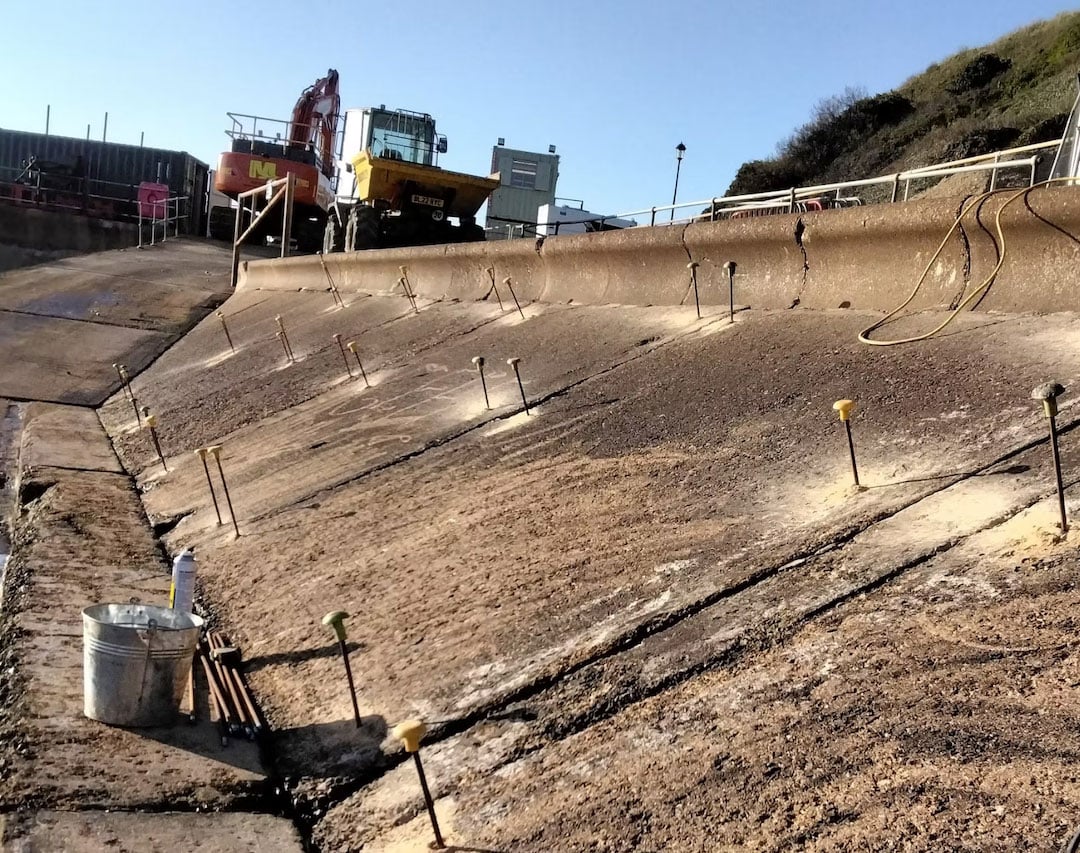
  • Drilling 16mm injection holes through the concrete apron at designed grid spacing
  • Installing injection tubes to the underside of the slab
  • Injecting expanding geopolymer resin to:
    • Fill voids
    • Displace loose material
    • Improve ground stiffness

The geopolymer expanded up to 30x its liquid volume, ensuring full contact with void spaces and surrounding material .

Targeted treatment approach

  • Separate treatment of:
    • Boulder matrix zones
    • Shingle matrix zones
  • Injection rates and depths controlled to suit material conditions
  • Verification using borescope inspection and real-time monitoring

Engineering controls

  • Continuous laser monitoring to prevent slab lift
  • Injection halted immediately upon detecting movement
  • Grid spacing typically 1.0–1.5m to ensure overlap of grout zones

Results


ventnor-4


The geopolymer solution successfully:

  • Filled critical voids beneath the apron slabs, restoring structural support
  • Enabled rapid reinstatement of emergency vehicle access
  • Delivered works within tight tidal constraints and short programme durations
  • Avoided the need for disruptive excavation or slab replacement

The solution also aligned with the project requirement for an interim design life, while offering potential performance beyond the minimum 5-year requirement.


Time & cost savings

  • Avoided full slab breakout and reconstruction
  • Reduced programme from weeks/months to days
  • Enabled immediate operational reinstatement
  • Lower overall cost compared to traditional reconstruction methods

Carbon & environmental benefits

  • Eliminated need for large-scale excavation and material import/export
  • Reduced plant usage and transport emissions
  • Minimised environmental disturbance in a sensitive coastal location

Ready to discuss your project?

Get in touch with our expert team today and discover how Geobear can extend the life of your critical infrastructure assets.

Bear pointing Bear pointing