What types of soil are most vulnerable to subsidence?
Most vulnerable: clay soils 🎯
Clay is the primary culprit behind foundation issues. Our data shows that clay shrinkage causes approximately 70% of all subsidence cases across the UK.
Why clay is so problematic
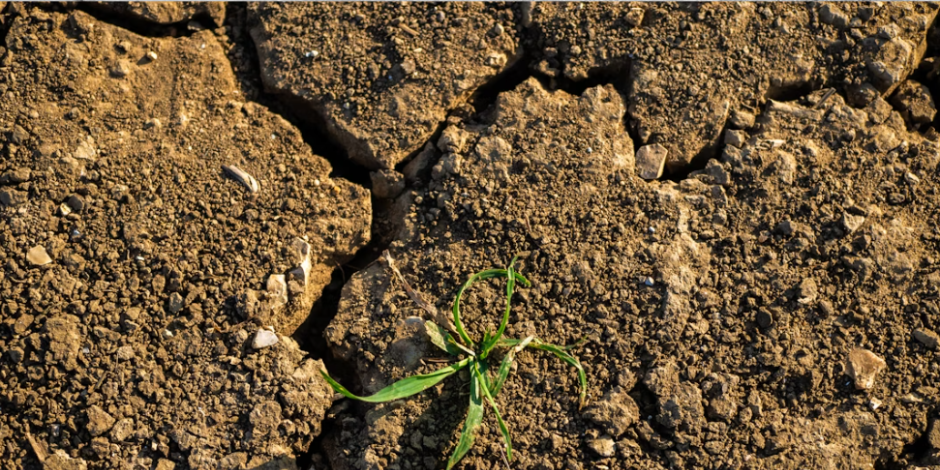
Clay is uniquely sensitive to the weather. During hot summer months, tree roots suck moisture out of the soil. As the moisture disappears, the clay shrinks and pulls away, which causes foundations to sink. When the rain returns in winter and spring, the clay rehydrates and swells, pushing the foundations back up.
Crucially, foundations rarely return to their original, level position. This seasonal cycle of shrinking and swelling creates progressive damage to your property year after year.
Other vulnerable soil types
-
Made ground or fill: This involves poorly compacted material with a mixed and inconsistent density that settles under the weight of a building over time.
-
Peat: This is a highly compressible organic soil. It holds a significant amount of moisture that can be squeezed out, leading to ground movement.
-
Soft or loose sands: These soils can wash away or compact under a heavy load. They are particularly at risk if the water table changes.
-
Chalk: Over time, chalk can develop hidden empty spaces (voids) through dissolution. Subsidence happens when these voids eventually collapse.
Geographic hot spots
Clay soils are a major factor in specific regions, particularly:
-
London and the Southeast (specifically London Clay)
-
East Anglia
-
Parts of the Midlands